Tahmasebi Pejman, Hezarkhani Ardeshir
Department of Mining, Metallurgy and Petroleum Engineering, Amirkabir University of Technology (Tehran Polytechnic), Hafez Ave. No. 24, Hafez ave., Tehran, Iran.
Comput Geosci. 2012 May;42:18-27. doi: 10.1016/j.cageo.2012.02.004.
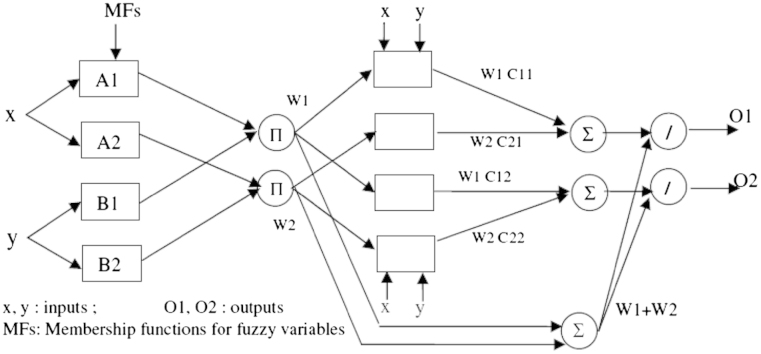
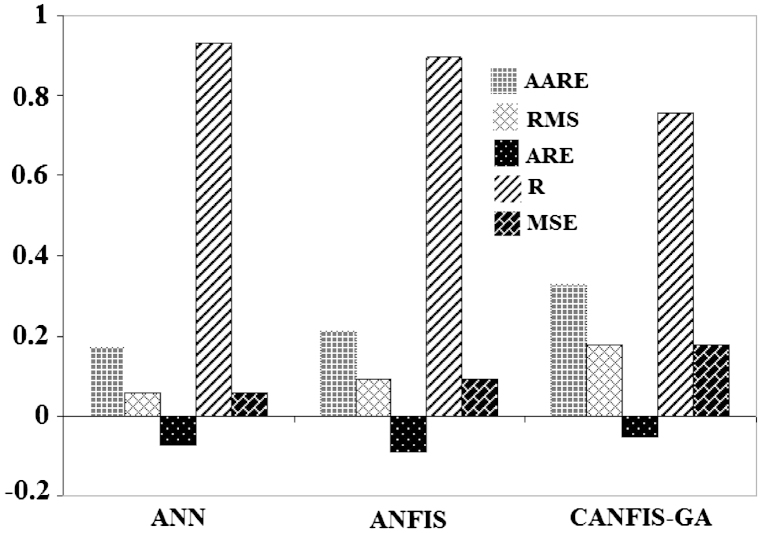
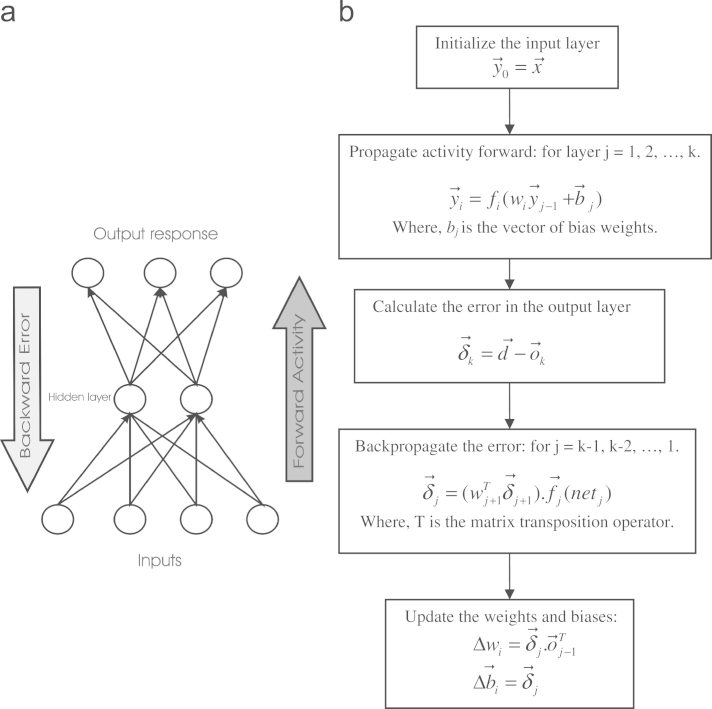
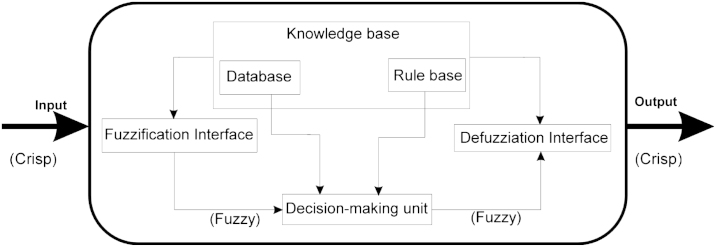
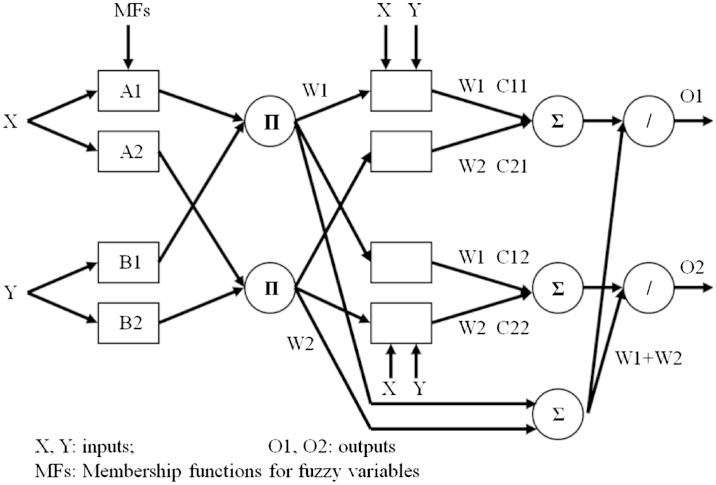
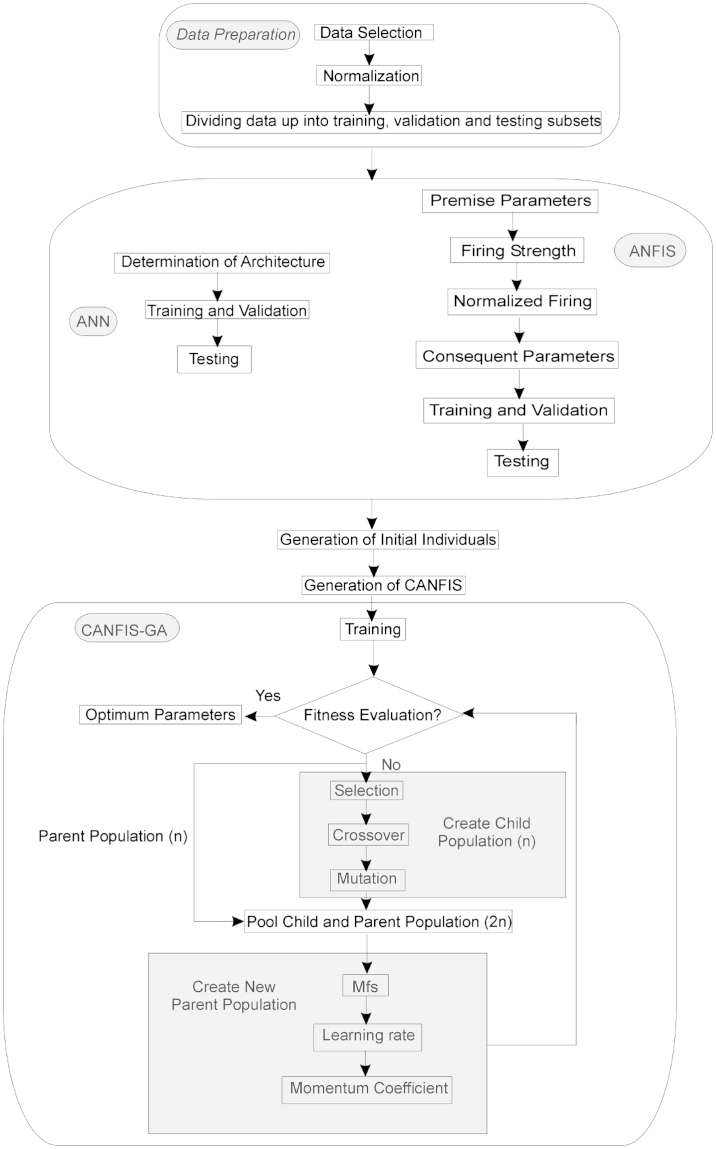
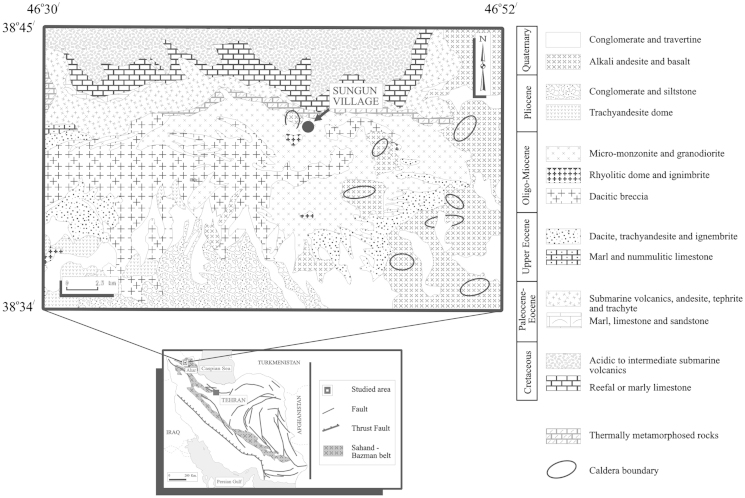
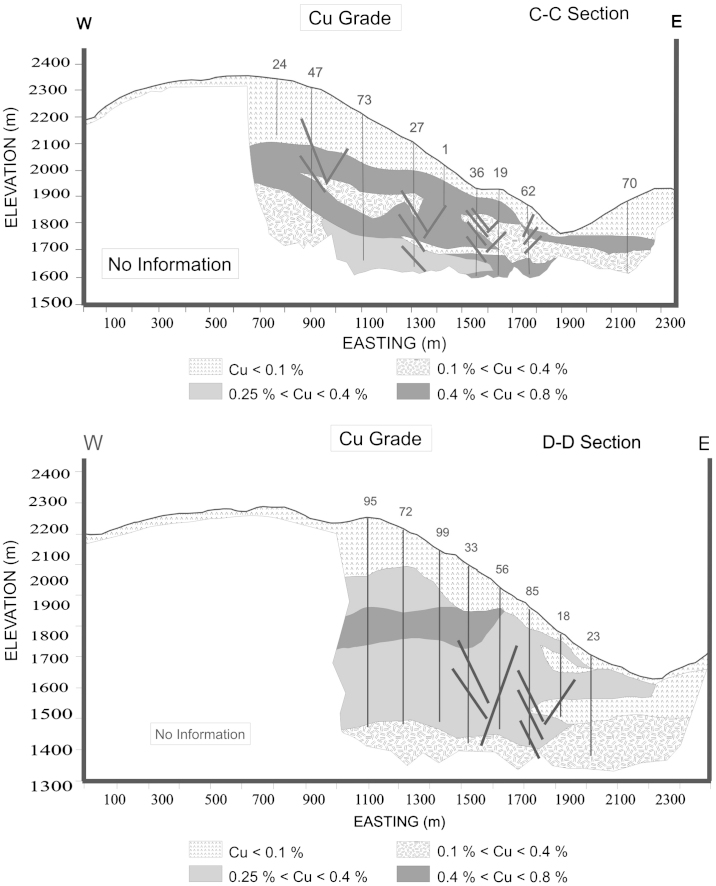
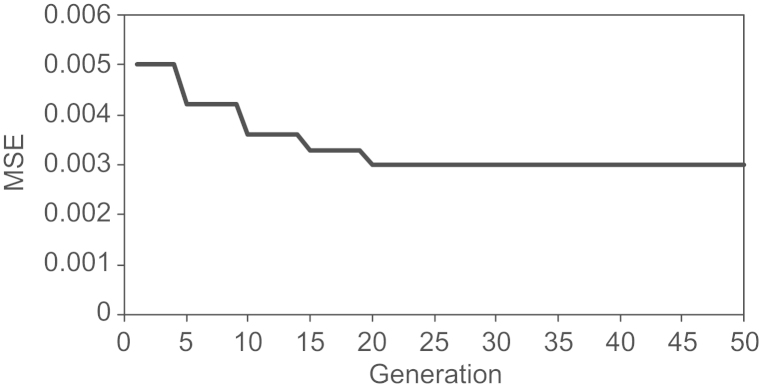
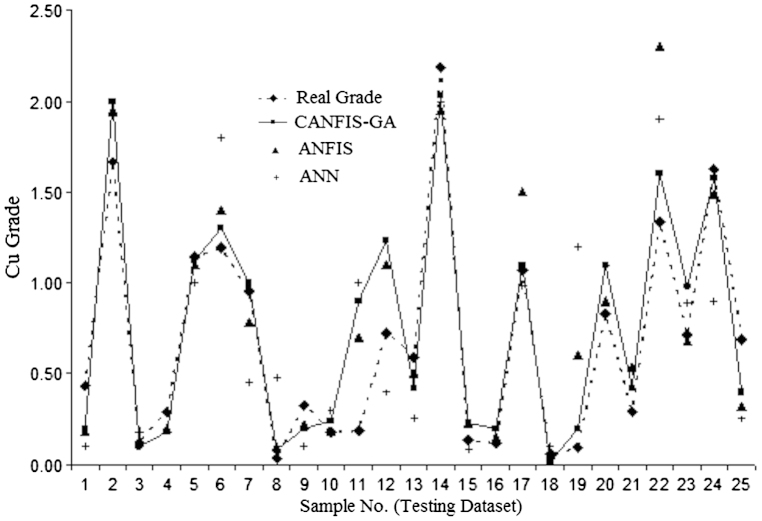
The grade estimation is a quite important and money/time-consuming stage in a mine project, which is considered as a challenge for the geologists and mining engineers due to the structural complexities in mineral ore deposits. To overcome this problem, several artificial intelligence techniques such as Artificial Neural Networks (ANN) and Fuzzy Logic (FL) have recently been employed with various architectures and properties. However, due to the constraints of both methods, they yield the desired results only under the specific circumstances. As an example, one major problem in FL is the difficulty of constructing the membership functions (MFs).Other problems such as architecture and local minima could also be located in ANN designing. Therefore, a new methodology is presented in this paper for grade estimation. This method which is based on ANN and FL is called "Coactive Neuro-Fuzzy Inference System" (CANFIS) which combines two approaches, ANN and FL. The combination of these two artificial intelligence approaches is achieved via the verbal and numerical power of intelligent systems. To improve the performance of this system, a Genetic Algorithm (GA) - as a well-known technique to solve the complex optimization problems - is also employed to optimize the network parameters including learning rate, momentum of the network and the number of MFs for each input. A comparison of these techniques (ANN, Adaptive Neuro-Fuzzy Inference System or ANFIS) with this new method (CANFIS-GA) is also carried out through a case study in Sungun copper deposit, located in East-Azerbaijan, Iran. The results show that CANFIS-GA could be a faster and more accurate alternative to the existing time-consuming methodologies for ore grade estimation and that is, therefore, suggested to be applied for grade estimation in similar problems.
品位估算在矿山项目中是一个非常重要且耗费资金和时间的阶段,由于矿床结构复杂,这对地质学家和采矿工程师来说是一项挑战。为克服这一问题,最近已采用了多种人工智能技术,如人工神经网络(ANN)和模糊逻辑(FL),它们具有不同的架构和特性。然而,由于这两种方法都存在局限性,它们仅在特定情况下才能产生理想的结果。例如,FL的一个主要问题是构建隶属函数(MFs)存在困难。ANN设计中也可能存在其他问题,如架构和局部极小值。因此,本文提出了一种用于品位估算的新方法。这种基于ANN和FL的方法称为“协同神经模糊推理系统”(CANFIS),它结合了ANN和FL这两种方法。这两种人工智能方法的结合是通过智能系统的语言和数值能力实现的。为提高该系统的性能,还采用了遗传算法(GA)——一种解决复杂优化问题的知名技术——来优化网络参数,包括学习率、网络动量以及每个输入的MF数量。还通过位于伊朗东阿塞拜疆省的桑贡铜矿的案例研究,将这些技术(ANN、自适应神经模糊推理系统或ANFIS)与这种新方法(CANFIS - GA)进行了比较。结果表明,CANFIS - GA对于现有的耗时矿石品位估算方法而言,可能是一种更快且更准确的替代方法,因此建议将其应用于类似问题的品位估算。