Abarca Dolores, Pizarro Alberto, Hernández Inmaculada, Sánchez Conchi, Solana Silvia P, Del Amo Alicia, Carneros Elena, Díaz-Sala Carmen
BMC Plant Biol. 2014 Dec 30;14:354. doi: 10.1186/s12870-014-0354-8.
Adventitious rooting is an organogenic process by which roots are induced from differentiated cells other than those specified to develop roots. In forest tree species, age and maturation are barriers to adventitious root formation by stem cuttings. The mechanisms behind the respecification of fully differentiated progenitor cells, which underlies adventitious root formation, are unknown.
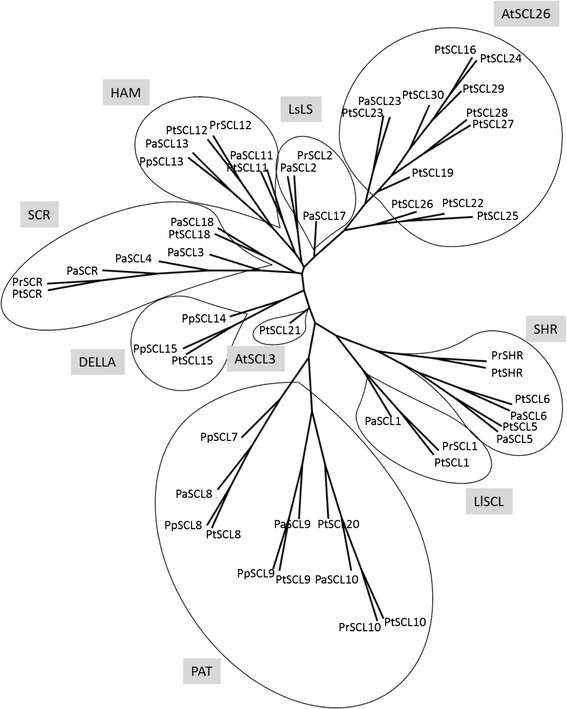
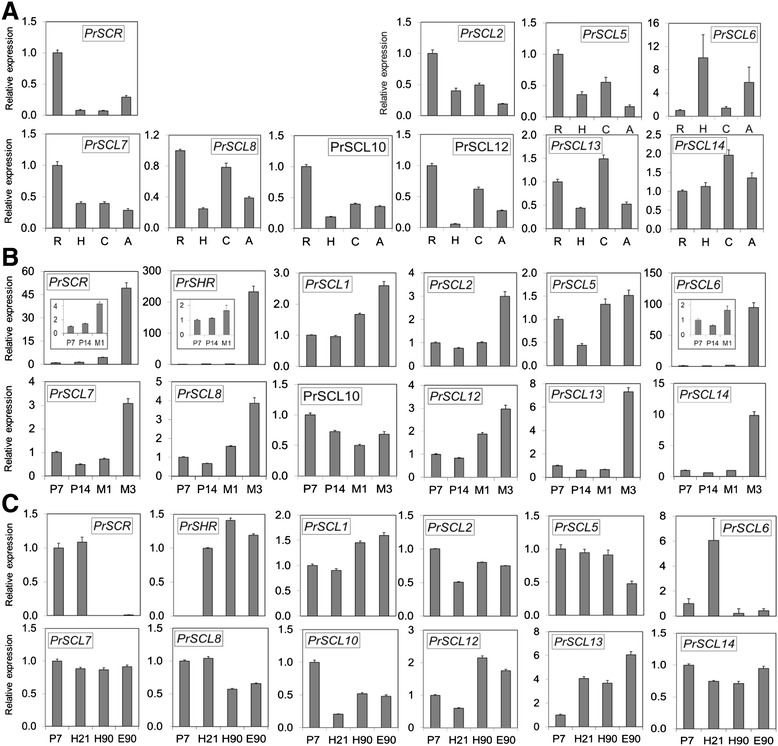
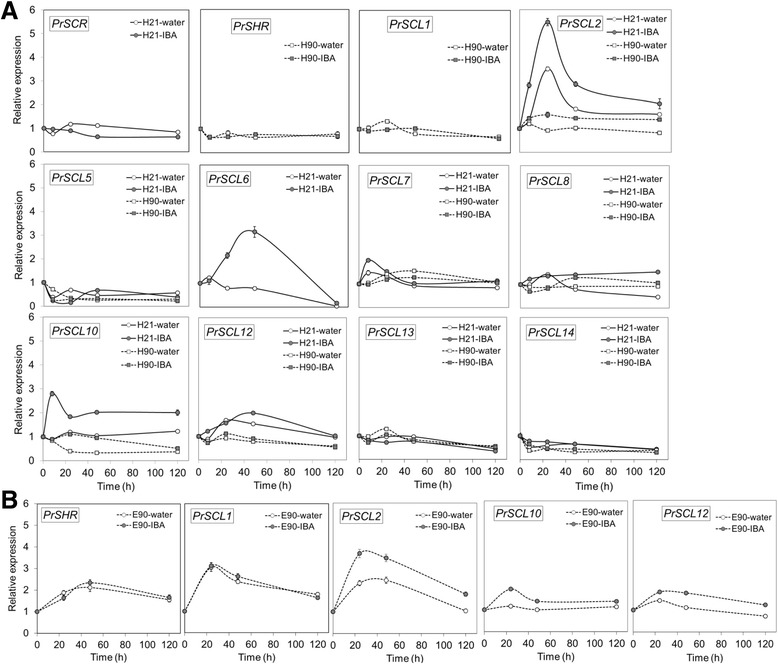
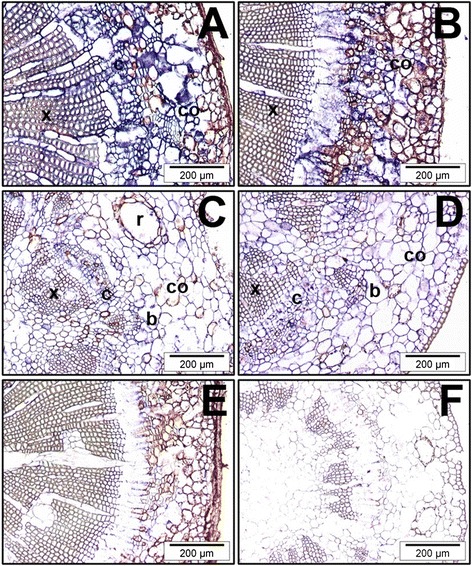
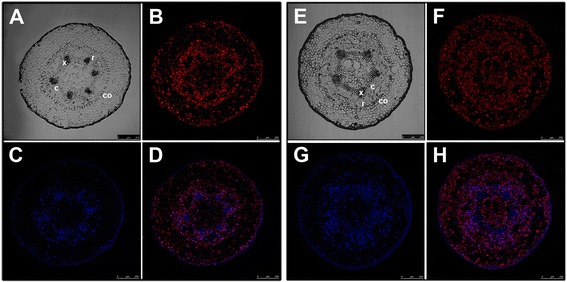
Here, the GRAS gene family in pine is characterized and the expression of a subset of these genes during adventitious rooting is reported. Comparative analyses of protein structures showed that pine GRAS members are conserved compared with their relatives in angiosperms. Relatively high GRAS mRNA levels were measured in non-differentiated proliferating embryogenic cultures and during embryo development. The mRNA levels of putative GRAS family transcription factors, including Pinus radiata's SCARECROW (SCR), PrSCR, and SCARECROW-LIKE (SCL) 6, PrSCL6, were significantly reduced or non-existent in adult tissues that no longer had the capacity to form adventitious roots, but were maintained or induced after the reprogramming of adult cells in rooting-competent tissues. A subset of genes, SHORT-ROOT (PrSHR), PrSCL1, PrSCL2, PrSCL10 and PrSCL12, was also expressed in an auxin-, age- or developmental-dependent manner during adventitious root formation.
The GRAS family of pine has been characterized by analyzing protein structures, phylogenetic relationships, conserved motifs and gene expression patterns. Individual genes within each group have acquired different and specialized functions, some of which could be related to the competence and reprogramming of adult cells to form adventitious roots.
不定根形成是一个器官发生过程,通过该过程,根从指定发育根以外的分化细胞中诱导产生。在林木树种中,年龄和成熟度是茎插条不定根形成的障碍。完全分化的祖细胞重新指定的机制是不定根形成的基础,目前尚不清楚。
本文对松树中的GRAS基因家族进行了表征,并报道了这些基因的一个子集在不定根形成过程中的表达情况。蛋白质结构的比较分析表明,与被子植物中的亲缘基因相比,松树GRAS成员具有保守性。在未分化的增殖胚性培养物和胚胎发育过程中检测到相对较高的GRAS mRNA水平。推定的GRAS家族转录因子的mRNA水平,包括辐射松的稻草人(SCR)、PrSCR和类稻草人(SCL)6、PrSCL6,在不再具有形成不定根能力的成年组织中显著降低或不存在,但在生根能力组织中成年细胞重编程后维持或诱导表达。一个基因子集,短根(PrSHR)、PrSCL1、PrSCL2、PrSCL10和PrSCL12,在不定根形成过程中也以生长素、年龄或发育依赖的方式表达。
通过分析蛋白质结构、系统发育关系、保守基序和基因表达模式,对松树的GRAS家族进行了表征。每组中的单个基因获得了不同的专门功能,其中一些可能与成年细胞形成不定根的能力和重编程有关。