Terraciano Paula, Garcez Tuane, Ayres Laura, Durli Isabel, Baggio Melchiani, Kuhl Cristiana Palma, Laurino Claudia, Passos Eduardo, Paz Ana Helena, Cirne-Lima Elizabeth
Hospital de Clínicas de Porto Alegre, 90035-903 Porto Alegre, RS, Brazil ; PPGCV/UFRGS, 91540-000 Porto Alegre, RS, Brazil.
Hospital de Clínicas de Porto Alegre, 90035-903 Porto Alegre, RS, Brazil ; PPGGO/UFRGS, 90035-007 Porto Alegre, RS, Brazil.
Stem Cells Int. 2014;2014:720753. doi: 10.1155/2014/720753. Epub 2014 Dec 4.
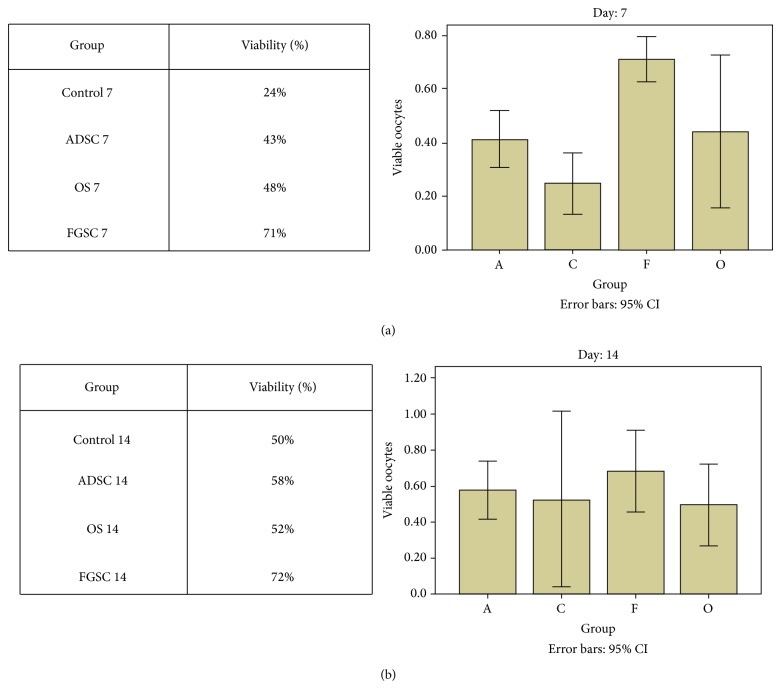
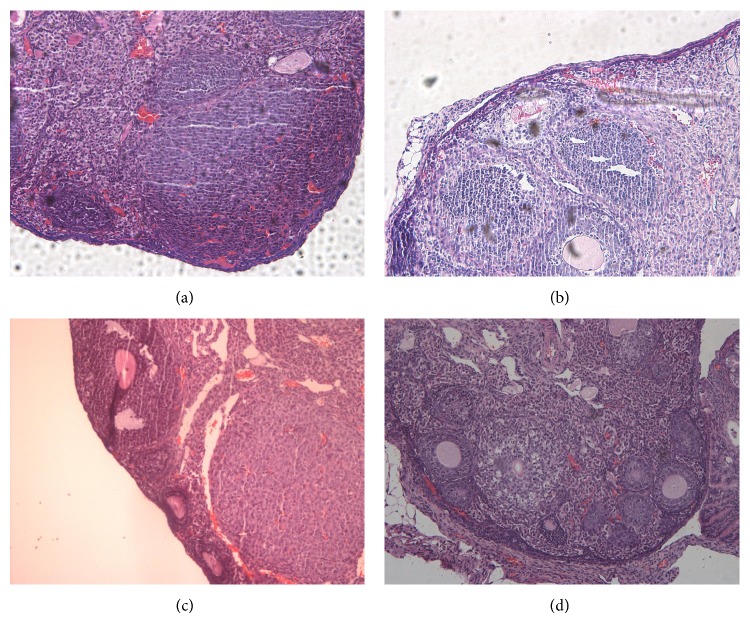
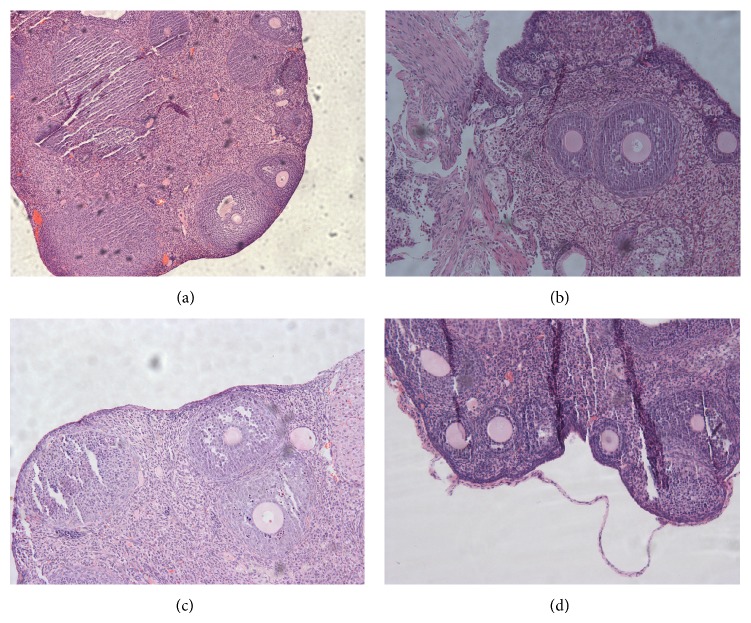
Cell therapy has been linked to an unexplained return of ovarian function and fertility in some cancer survivors. Studies modeling this in mice have shown that cells transplantation generates donor-derived oocytes in chemotherapy-treated recipients. This study was conducted to further clarify the impact of cell transplantation from different sources on female reproductive function after chemotherapy using a preclinical mouse model. Methods. Female mice were administered 7.5 mg/kg cisplatin followed by cell transplantation (one week later) using GFP+ female cell donors. For cell tracking, adipose derived stem cell GFP+ (ADSC), female germline stem cell GFP+/MVH+ (FGSC), or ovary cell suspension GFP+ mice were transplanted into cisplatin-treated wild-type recipients. After 7 or 14 days animals were killed and histological analysis, IHQ for GFP cells, and ELISA for estradiol were performed. Results. Histological examinations showed that ADSC, ovary cell suspension, and FGSC transplant increase the number of follicles with apparent normal structure in the cells recipient group euthanized on day 7. Cell tracking showed GFP+ samples 7 days after transplant. Conclusion. These data suggest that intraovarian injection of ADSCs and FGSC into mice with chemotherapy-induced ovarian failure diminished the damage caused by cisplatin.
细胞疗法与一些癌症幸存者卵巢功能和生育能力的 unexplained return 有关。在小鼠中对此进行建模的研究表明,细胞移植在接受化疗的受体中产生了供体来源的卵母细胞。本研究旨在使用临床前小鼠模型进一步阐明不同来源的细胞移植对化疗后雌性生殖功能的影响。方法。给雌性小鼠施用7.5mg/kg顺铂,然后(一周后)使用GFP +雌性细胞供体进行细胞移植。为了进行细胞追踪,将脂肪来源的干细胞GFP +(ADSC)、雌性生殖系干细胞GFP + /MVH +(FGSC)或卵巢细胞悬液GFP +小鼠移植到经顺铂处理的野生型受体中。7天或14天后处死动物,进行组织学分析、对GFP细胞进行免疫组织化学(IHQ)检测以及对雌二醇进行酶联免疫吸附测定(ELISA)。结果。组织学检查表明,在第7天安乐死的细胞受体组中,ADSC、卵巢细胞悬液和FGSC移植增加了结构明显正常的卵泡数量。细胞追踪显示移植后7天有GFP +样本。结论。这些数据表明,向化疗诱导的卵巢功能衰竭小鼠卵巢内注射ADSC和FGSC可减轻顺铂造成的损伤。