Lee Li-Ching, Chen Chiung-Mei, Wang Pin-Rong, Su Ming-Tsan, Lee-Chen Guey-Jen, Chang Chun-Yen
Department of Life Science, National Taiwan Normal University, Taipei, Taiwan.
Department of Neurology, Chang Gung Memorial Hospital, Chang-Gung University College of Medicine, Taipei, Taiwan.
PLoS One. 2014 Dec 30;9(12):e115809. doi: 10.1371/journal.pone.0115809. eCollection 2014.
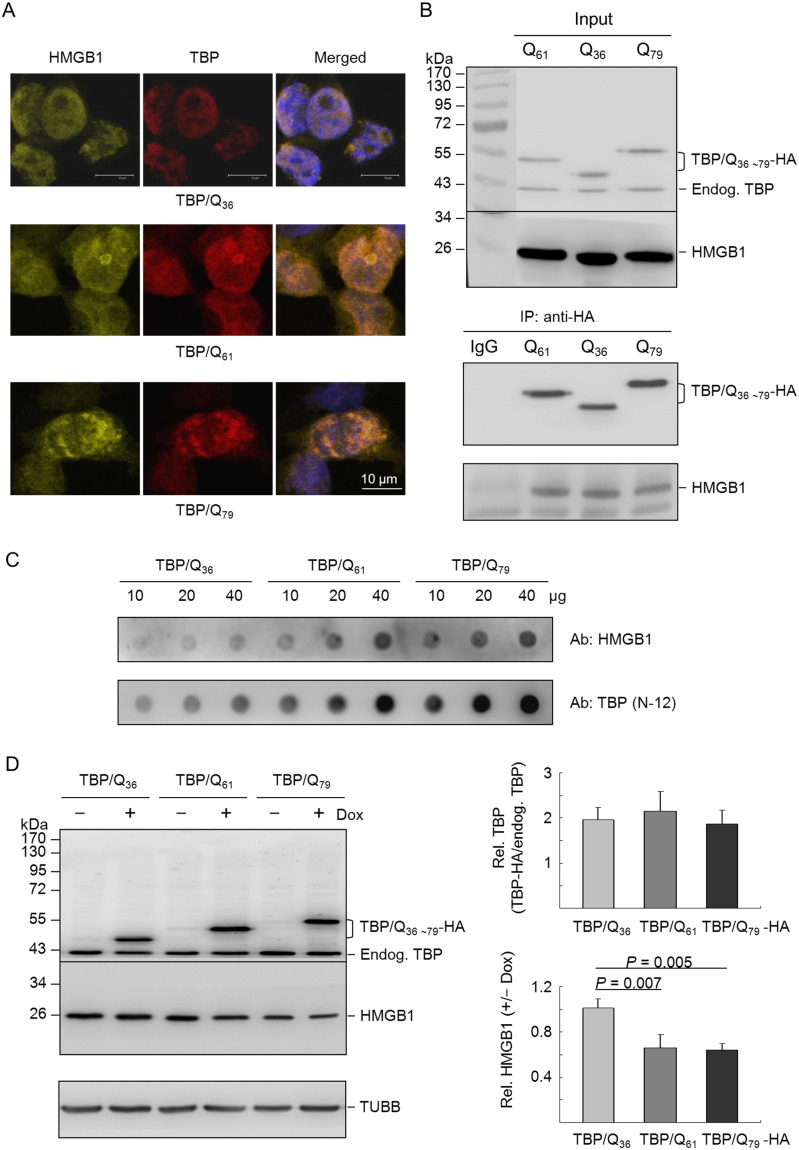
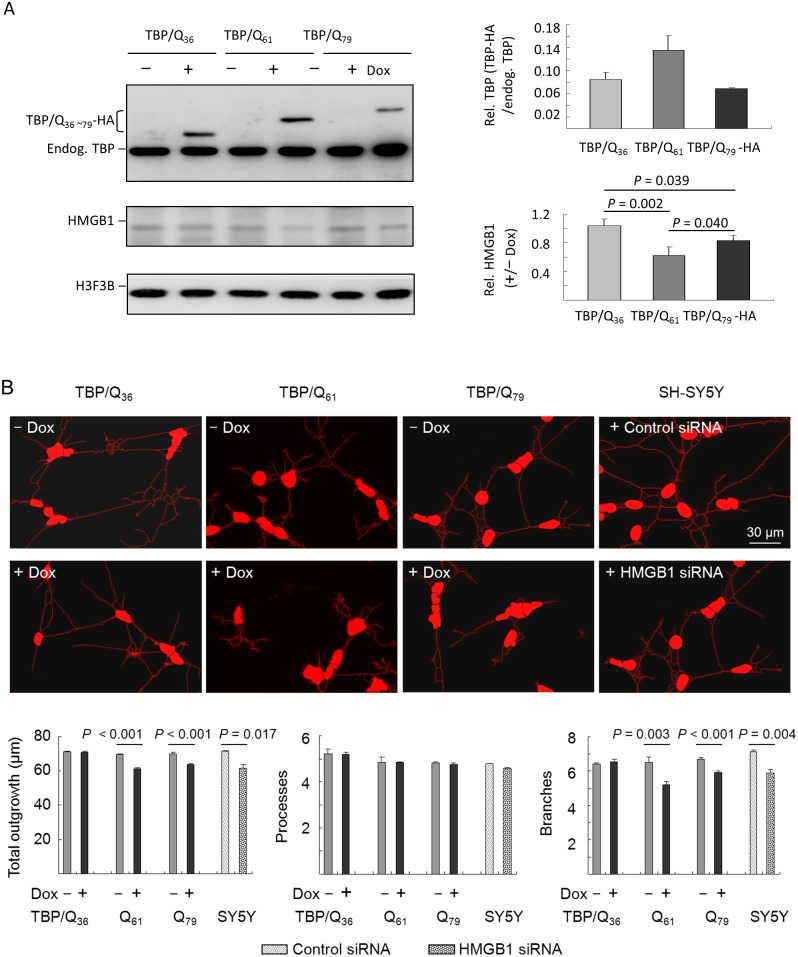
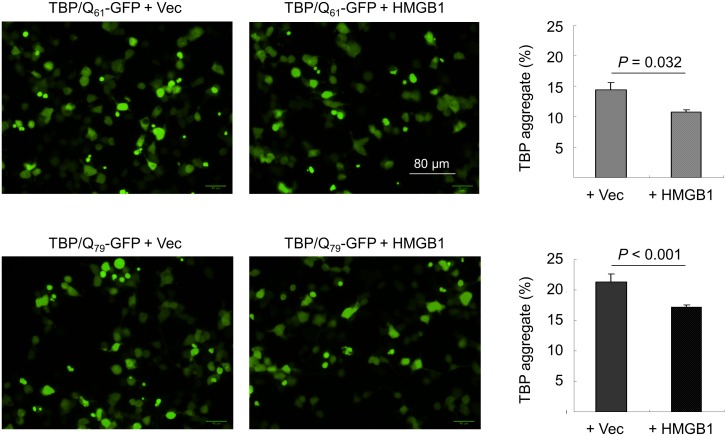
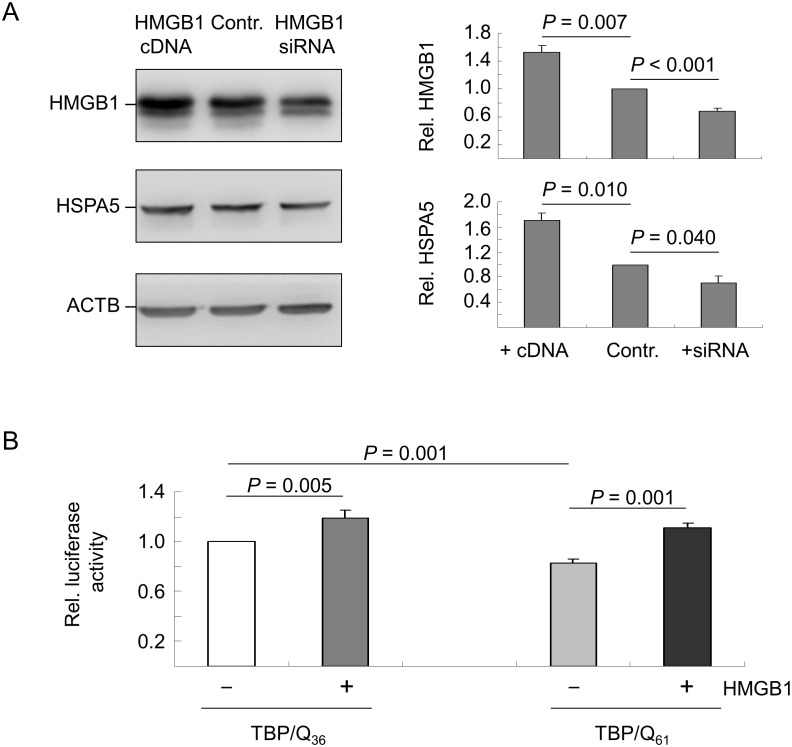
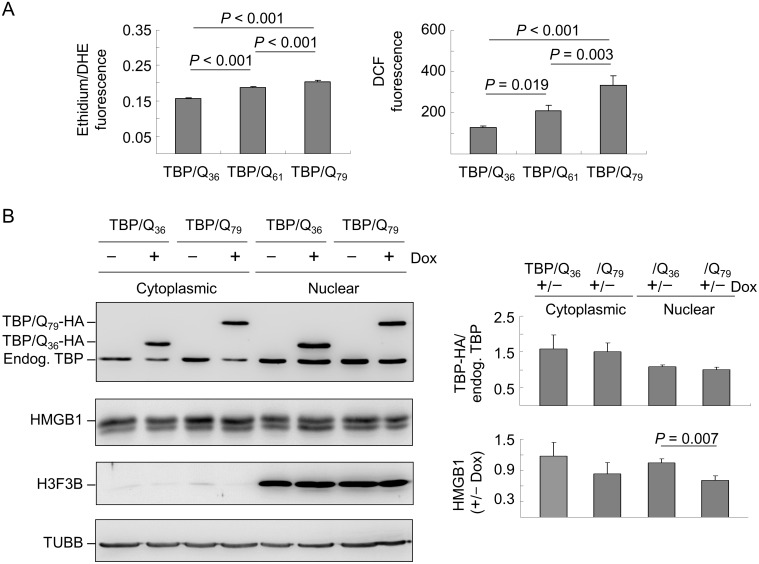
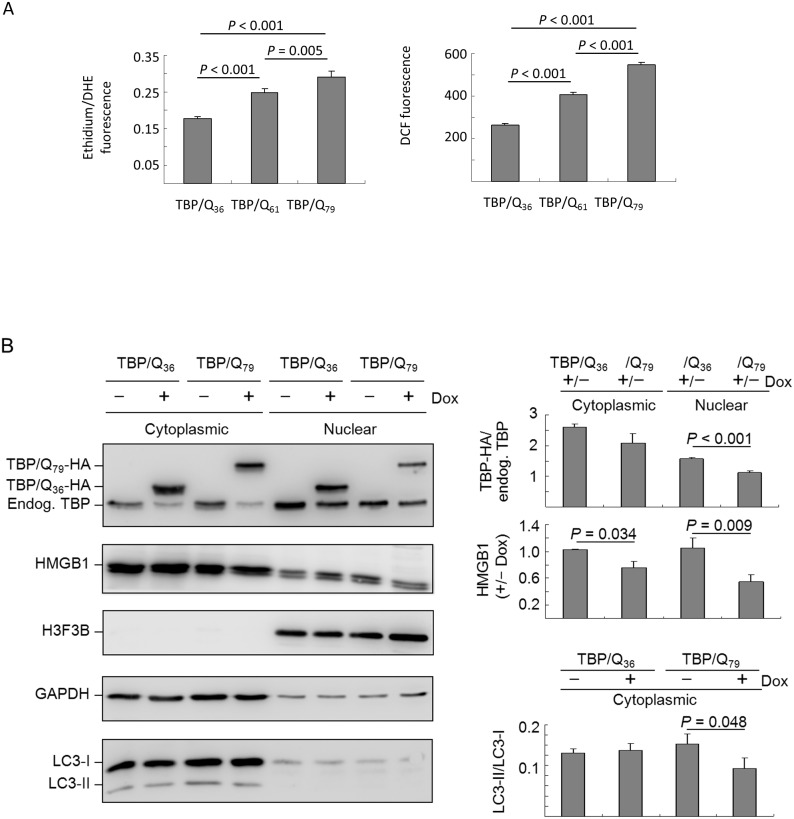
Spinocerebellar ataxia type 17 (SCA17) involves the expression of a polyglutamine (polyQ) expanded TATA-binding protein (TBP), a general transcription initiation factor. TBP interacts with other protein factors, including high mobility group box 1 (HMGB1), to regulate gene expression. Previously, our proteomic analysis of soluble proteins prepared from mutant TBP (TBP/Q61) expressing cells revealed a reduced concentration of HMGB1. Here, we show that HMGB1 can be incorporated into mutant TBP aggregates, which leads to reduced soluble HMGB1 levels in TBP/Q(61∼79) expressing cells. HMGB1 overexpression reduced mutant TBP aggregation. HMGB1 cDNA and siRNA co-transfection, as well as an HSPA5 immunoblot and luciferase reporter assay demonstrated the important role of HMGB1 in the regulation of HSPA5 transcription. In starvation-stressed TBP/Q36 and TBP/Q79 cells, increased reactive oxygen species generation accelerated the cytoplasmic translocation of HMGB1, which accompanied autophagy activation. However, TBP/Q79 cells displayed a decrease in autophagy activation as a result of the reduction in the cytoplasmic HMGB1 level. In neuronal SH-SY5Y cells with induced TBP/Q(61∼79) expression, HMGB1 expression was reduced and accompanied by a significant reduction in the total outgrowth and branches in the TBP/Q(61∼79) expressing cells compared with the non-induced cells. The decreased soluble HMGB1 and impaired starvation-induced autophagy in cells suggest that HMGB1 may be a critical modulator of polyQ disease pathology and may represent a target for drug development.
17型脊髓小脑共济失调(SCA17)涉及一种多聚谷氨酰胺(polyQ)扩展的TATA结合蛋白(TBP)的表达,TBP是一种通用转录起始因子。TBP与包括高迁移率族蛋白B1(HMGB1)在内的其他蛋白质因子相互作用,以调节基因表达。此前,我们对表达突变型TBP(TBP/Q61)的细胞制备的可溶性蛋白进行的蛋白质组学分析显示,HMGB1的浓度降低。在此,我们表明HMGB1可被纳入突变型TBP聚集体中,这导致在表达TBP/Q(61∼79)的细胞中可溶性HMGB1水平降低。HMGB1过表达减少了突变型TBP的聚集。HMGB1 cDNA和siRNA共转染,以及HSPA5免疫印迹和荧光素酶报告基因检测证明了HMGB1在调节HSPA5转录中的重要作用。在饥饿应激的TBP/Q36和TBP/Q79细胞中,活性氧生成增加加速了HMGB1的细胞质转位,这伴随着自噬激活。然而,由于细胞质HMGB1水平降低,TBP/Q79细胞的自噬激活出现下降。在诱导表达TBP/Q(61∼79)的神经元SH-SY5Y细胞中,HMGB1表达降低,并且与未诱导的细胞相比,表达TBP/Q(61∼79)的细胞中的总生长和分支显著减少。细胞中可溶性HMGB1的减少和饥饿诱导的自噬受损表明,HMGB1可能是多聚谷氨酰胺疾病病理的关键调节因子,并且可能代表药物开发的一个靶点。