Mouthuy Pierre-Alexis, Groszkowski Lukasz, Ye Hua
Nuffield Department of Orthopaedics, Rheumatology and Musculoskeletal Sciences, Botnar Institute of Musculoskeletal Sciences, University of Oxford, Oxford, OX3 7LD, UK,
Biotechnol Lett. 2015 May;37(5):1107-16. doi: 10.1007/s10529-014-1760-6. Epub 2015 Jan 1.
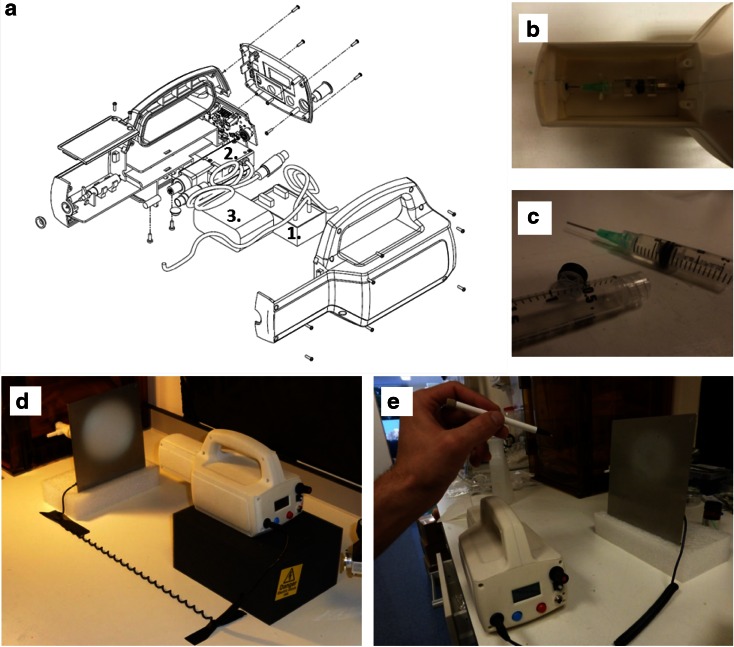
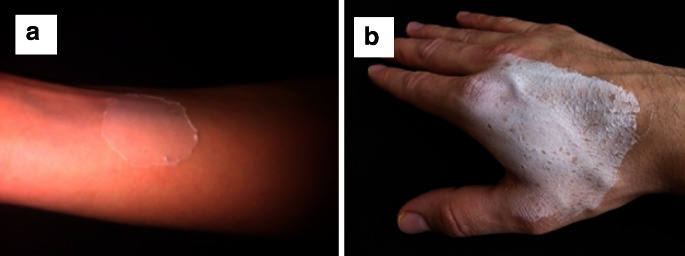
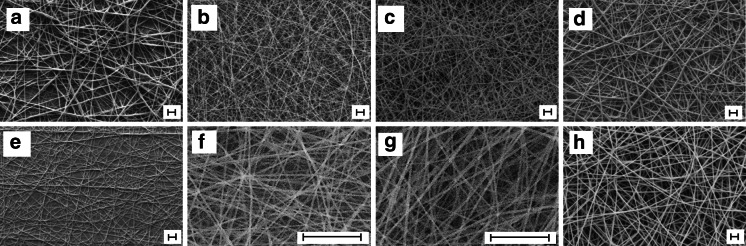
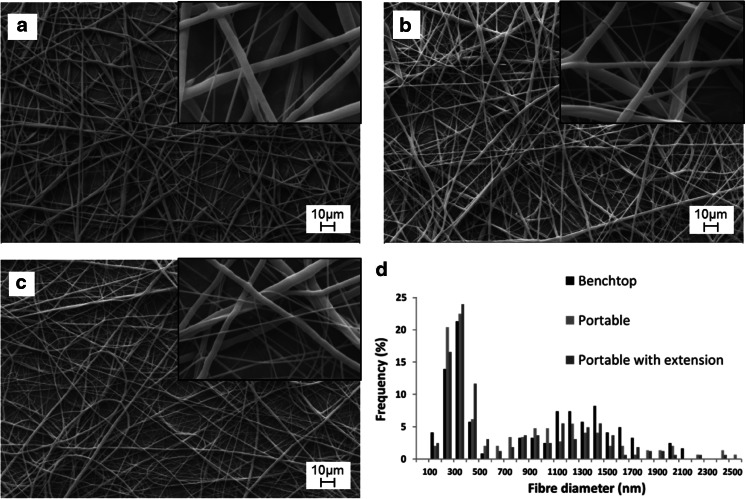
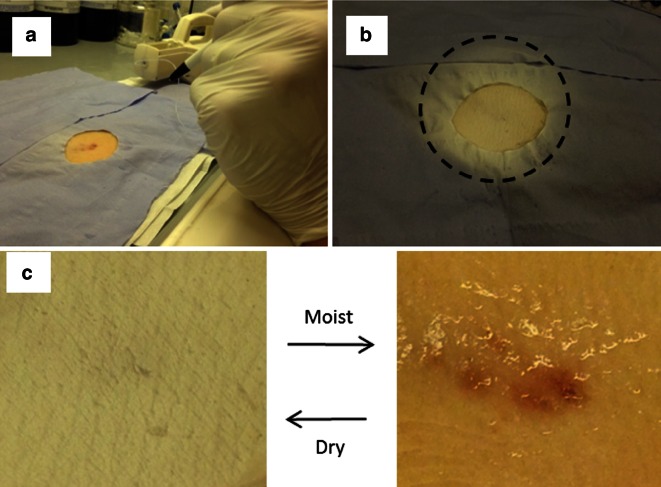
To demonstrate that portable electrospinning devices can spin a wide range of polymers into submicron fibres and provide a mesh quality comparable to those produced with benchtop machines. We have designed a small, battery-operated electrospinning apparatus which enables control over the voltage and the flow rate of the polymer solution via a microcontroller. It can be used to electrospin a range of commonly used polymers including poly(ε-caprolactone), poly(p-dioxanone), poly(lactic-co-glycolic acid), poly(3-hydroxybutyrate), poly(ethylene oxide), poly(vinyl acohol) and poly(vinyl butyral). Moreover, electrospun meshes are produced with a quality comparable to a benchtop machine. We also show that the portable apparatus is able to electrospray beads and microparticles. Finally, we highlight the potential of the device for wound healing applications by demonstrating the possibility of electrospinning onto pig and human skins. Portable electrospinning devices are still at an early stage of development but they could soon become an attractive alternative to benchtop machines, in particular for uses that require mobility and a higher degree of flexibility, such as for wound healing applications.
为了证明便携式静电纺丝设备能够将多种聚合物纺制成亚微米纤维,并提供与台式机器生产的纤维网质量相当的产品。我们设计了一种小型的、由电池供电的静电纺丝装置,该装置能够通过微控制器控制聚合物溶液的电压和流速。它可用于静电纺丝一系列常用聚合物,包括聚(ε-己内酯)、聚(对二氧六环酮)、聚(乳酸-乙醇酸共聚物)、聚(3-羟基丁酸酯)、聚(环氧乙烷)、聚乙烯醇和聚乙烯醇缩丁醛。此外,所生产的静电纺丝纤维网质量与台式机器相当。我们还表明,该便携式装置能够电喷雾珠和微粒。最后,我们通过展示在猪皮和人皮上进行静电纺丝的可能性,突出了该装置在伤口愈合应用方面的潜力。便携式静电纺丝设备仍处于早期开发阶段,但它们很快可能成为台式机器有吸引力的替代品,特别是对于需要移动性和更高灵活性的用途,如伤口愈合应用。