Nord Alex S, Pattabiraman Kartik, Visel Axel, Rubenstein John L R
Department of Neurobiology, Physiology, and Behavior and Department of Psychiatry and Behavioral Sciences, Center for Neuroscience, University of California, Davis, Davis, CA 95618, USA.
Department of Psychiatry, Rock Hall, University of California, San Francisco, San Francisco, CA 94158-2324, USA.
Neuron. 2015 Jan 7;85(1):27-47. doi: 10.1016/j.neuron.2014.11.011.
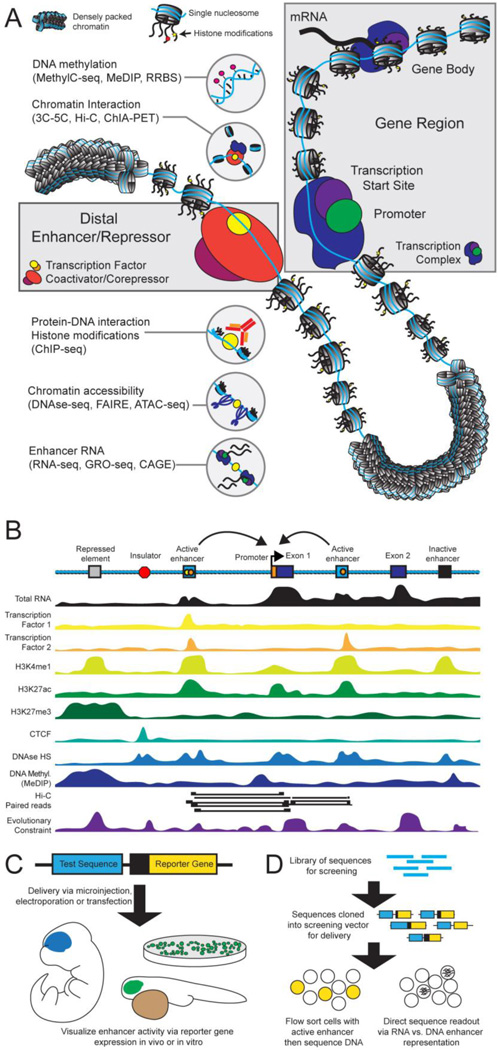
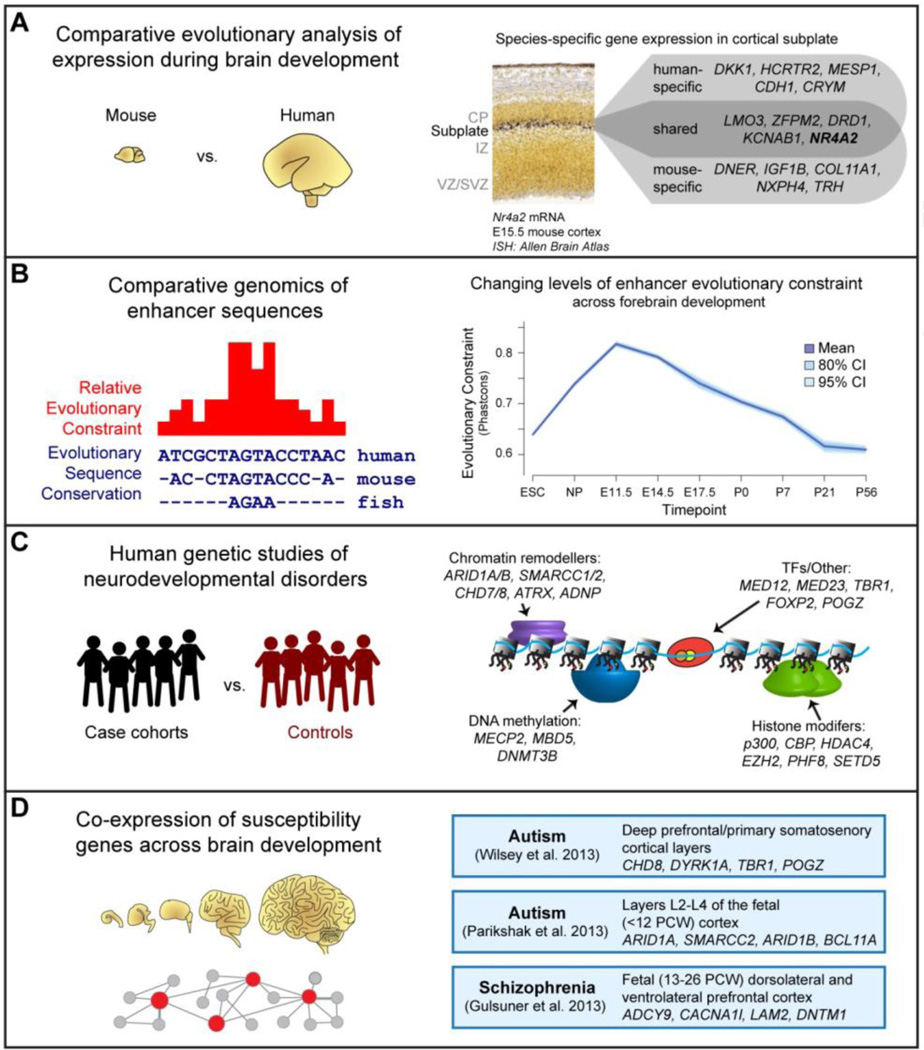
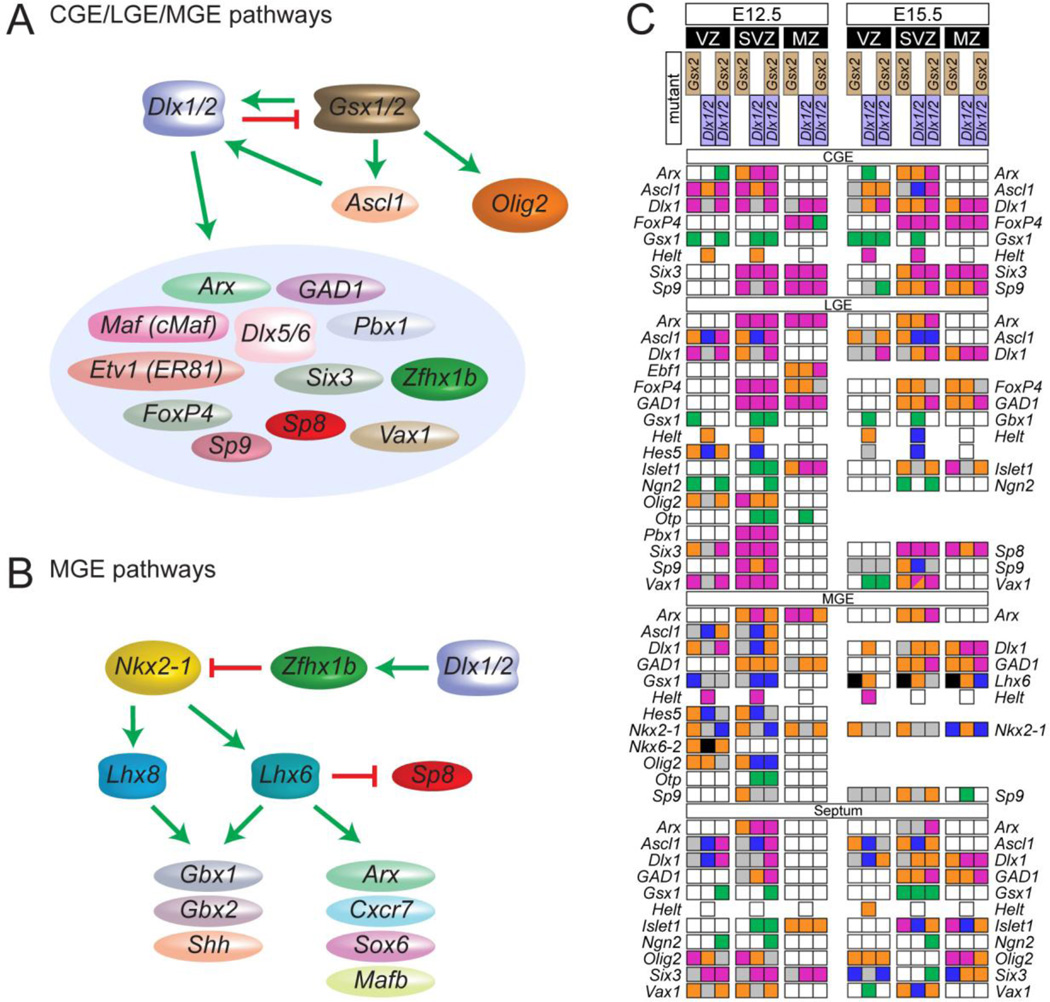
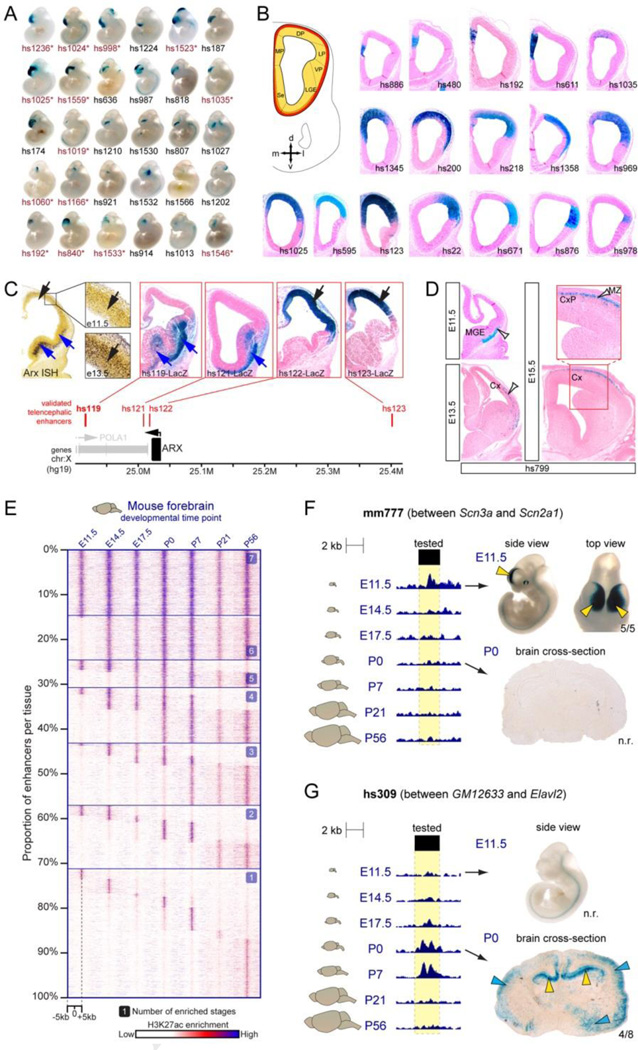
The forebrain is the seat of higher-order brain functions, and many human neuropsychiatric disorders are due to genetic defects affecting forebrain development, making it imperative to understand the underlying genetic circuitry. Recent progress now makes it possible to begin fully elucidating the genomic regulatory mechanisms that control forebrain gene expression. Herein, we discuss the current knowledge of how transcription factors drive gene expression programs through their interactions with cis-acting genomic elements, such as enhancers; how analyses of chromatin and DNA modifications provide insights into gene expression states; and how these approaches yield insights into the evolution of the human brain.
前脑是高阶脑功能的所在部位,许多人类神经精神疾病是由影响前脑发育的基因缺陷所致,因此必须了解其潜在的基因调控网络。最近的进展使全面阐明控制前脑基因表达的基因组调控机制成为可能。在此,我们讨论当前关于转录因子如何通过与顺式作用基因组元件(如增强子)相互作用来驱动基因表达程序的知识;染色质和DNA修饰分析如何为基因表达状态提供见解;以及这些方法如何为人脑进化提供见解。