Karlsson Magnus, Durling Mikael Brandström, Choi Jaeyoung, Kosawang Chatchai, Lackner Gerald, Tzelepis Georgios D, Nygren Kristiina, Dubey Mukesh K, Kamou Nathalie, Levasseur Anthony, Zapparata Antonio, Wang Jinhui, Amby Daniel Buchvaldt, Jensen Birgit, Sarrocco Sabrina, Panteris Emmanuel, Lagopodi Anastasia L, Pöggeler Stefanie, Vannacci Giovanni, Collinge David B, Hoffmeister Dirk, Henrissat Bernard, Lee Yong-Hwan, Jensen Dan Funck
Forest Mycology and Plant Pathology, Swedish University of Agricultural Sciences, Uppsala, Sweden
Forest Mycology and Plant Pathology, Swedish University of Agricultural Sciences, Uppsala, Sweden.
Genome Biol Evol. 2015 Jan 8;7(2):465-80. doi: 10.1093/gbe/evu292.
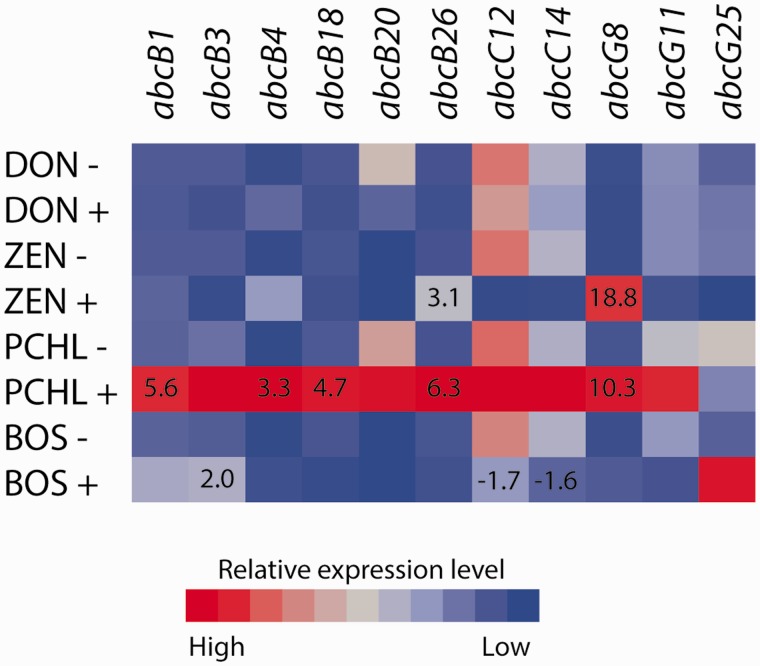
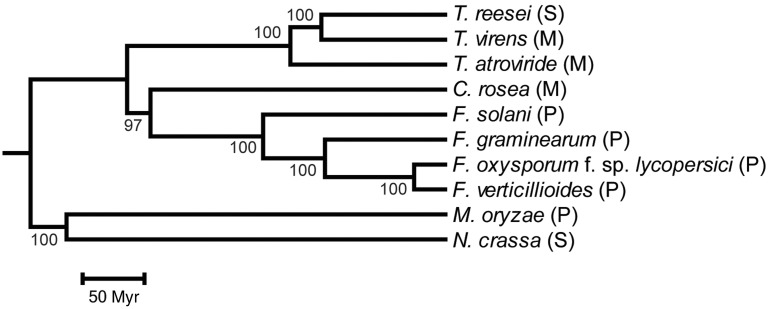
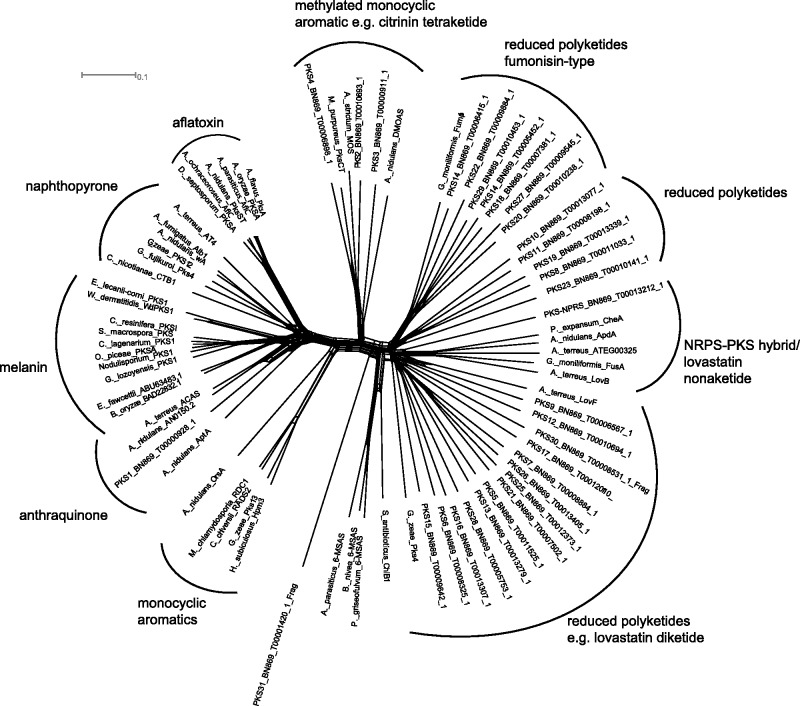
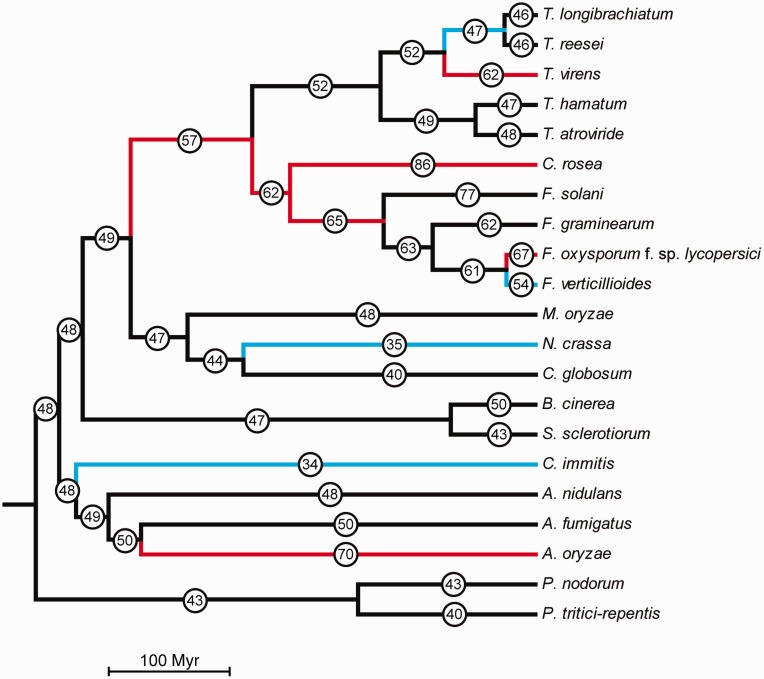
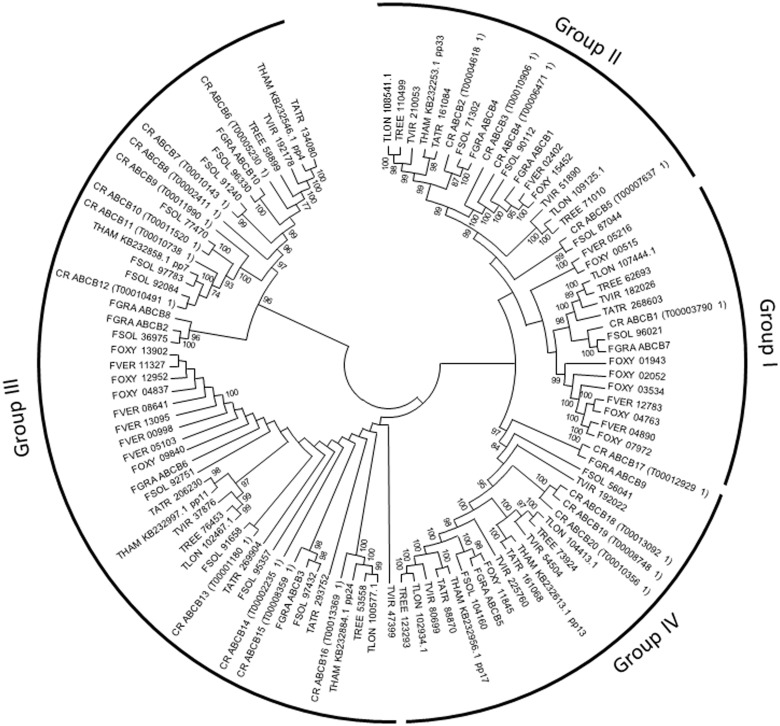
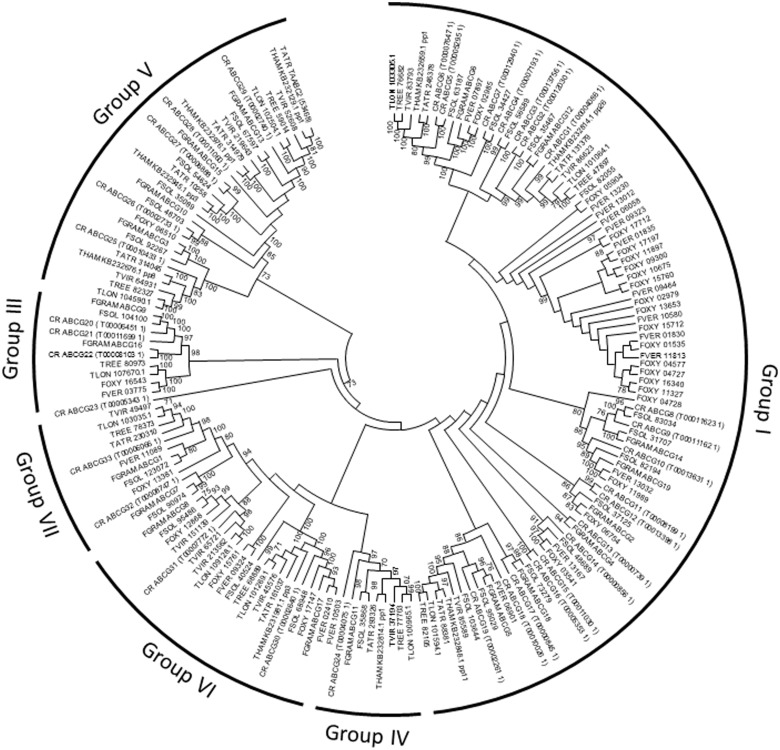
Clonostachys rosea is a mycoparasitic fungus that can control several important plant diseases. Here, we report on the genome sequencing of C. rosea and a comparative genome analysis, in order to resolve the phylogenetic placement of C. rosea and to study the evolution of mycoparasitism as a fungal lifestyle. The genome of C. rosea is estimated to 58.3 Mb, and contains 14,268 predicted genes. A phylogenomic analysis shows that C. rosea clusters as sister taxon to plant pathogenic Fusarium species, with mycoparasitic/saprotrophic Trichoderma species in an ancestral position. A comparative analysis of gene family evolution reveals several distinct differences between the included mycoparasites. Clonostachys rosea contains significantly more ATP-binding cassette (ABC) transporters, polyketide synthases, cytochrome P450 monooxygenases, pectin lyases, glucose-methanol-choline oxidoreductases, and lytic polysaccharide monooxygenases compared with other fungi in the Hypocreales. Interestingly, the increase of ABC transporter gene number in C. rosea is associated with phylogenetic subgroups B (multidrug resistance proteins) and G (pleiotropic drug resistance transporters), whereas an increase in subgroup C (multidrug resistance-associated proteins) is evident in Trichoderma virens. In contrast with mycoparasitic Trichoderma species, C. rosea contains very few chitinases. Expression of six group B and group G ABC transporter genes was induced in C. rosea during exposure to the Fusarium mycotoxin zearalenone, the fungicide Boscalid or metabolites from the biocontrol bacterium Pseudomonas chlororaphis. The data suggest that tolerance toward secondary metabolites is a prominent feature in the biology of C. rosea.
粉红粘帚霉是一种可控制多种重要植物病害的真菌寄生菌。在此,我们报告粉红粘帚霉的基因组测序及比较基因组分析结果,以确定粉红粘帚霉的系统发育位置,并研究真菌寄生这一生活方式的进化。粉红粘帚霉的基因组估计为58.3 Mb,包含14,268个预测基因。系统基因组分析表明,粉红粘帚霉聚为植物病原镰刀菌属物种的姐妹分类群,而真菌寄生/腐生的木霉属物种处于祖先位置。基因家族进化的比较分析揭示了所纳入的真菌寄生菌之间的几个明显差异。与肉座菌目中的其他真菌相比,粉红粘帚霉含有显著更多的ATP结合盒(ABC)转运蛋白、聚酮合酶、细胞色素P450单加氧酶、果胶裂解酶、葡萄糖 - 甲醇 - 胆碱氧化还原酶和裂解多糖单加氧酶。有趣的是,粉红粘帚霉中ABC转运蛋白基因数量的增加与系统发育亚组B(多药抗性蛋白)和G(多效性药物抗性转运蛋白)相关,而在绿色木霉中,亚组C(多药抗性相关蛋白)的增加很明显。与真菌寄生的木霉属物种相比,粉红粘帚霉含有的几丁质酶很少。在粉红粘帚霉暴露于镰刀菌霉菌毒素玉米赤霉烯酮、杀菌剂啶酰菌胺或生防细菌绿针假单胞菌的代谢产物期间,六个B组和G组ABC转运蛋白基因的表达被诱导。数据表明,对次生代谢产物的耐受性是粉红粘帚霉生物学的一个突出特征。