Kim Teayoun, Moore John F, Sharer Jon D, Yang Kevin, Wood Philip A, Yang Qinglin
Department of Nutrition Sciences, University of Alabama at Birmingham, Alabama, USA.
Department of Genetics, University of Alabama at Birmingham, Alabama, USA.
J Diabetes Metab. 2014;5. doi: 10.4172/2155-6156.1000401.
Carnitine palmitoyltransferase 1 (CPT1) is the rate-limiting enzyme governing the entry of long-chain acyl-CoAs into mitochondria. Treatments with CPT1 inhibitors protect against insulin resistance in short-term preclinical animal studies. We recently reported that mice with muscle isoform CPT1b deficiency demonstrated improved insulin sensitivity when fed a High Fat-Diet (HFD) for up to 5 months. In this follow up study, we further investigated whether the insulin sensitizing effects of partial CPT1b deficiency could be maintained under a prolonged HFD feeding condition.
We investigated the effects of CPT1b deficiency on HFD-induced insulin resistance using heterozygous CPT1b deficient () mice compared with Wild Type (WT) mice fed a HFD for a prolonged period of time (7 months). We assessed insulin sensitivity using hyperinsulinemic-euglycemic clamps. We also examined body composition, skeletal muscle lipid profile, and changes in the insulin signaling pathways of skeletal muscle, liver, and adipose tissue.
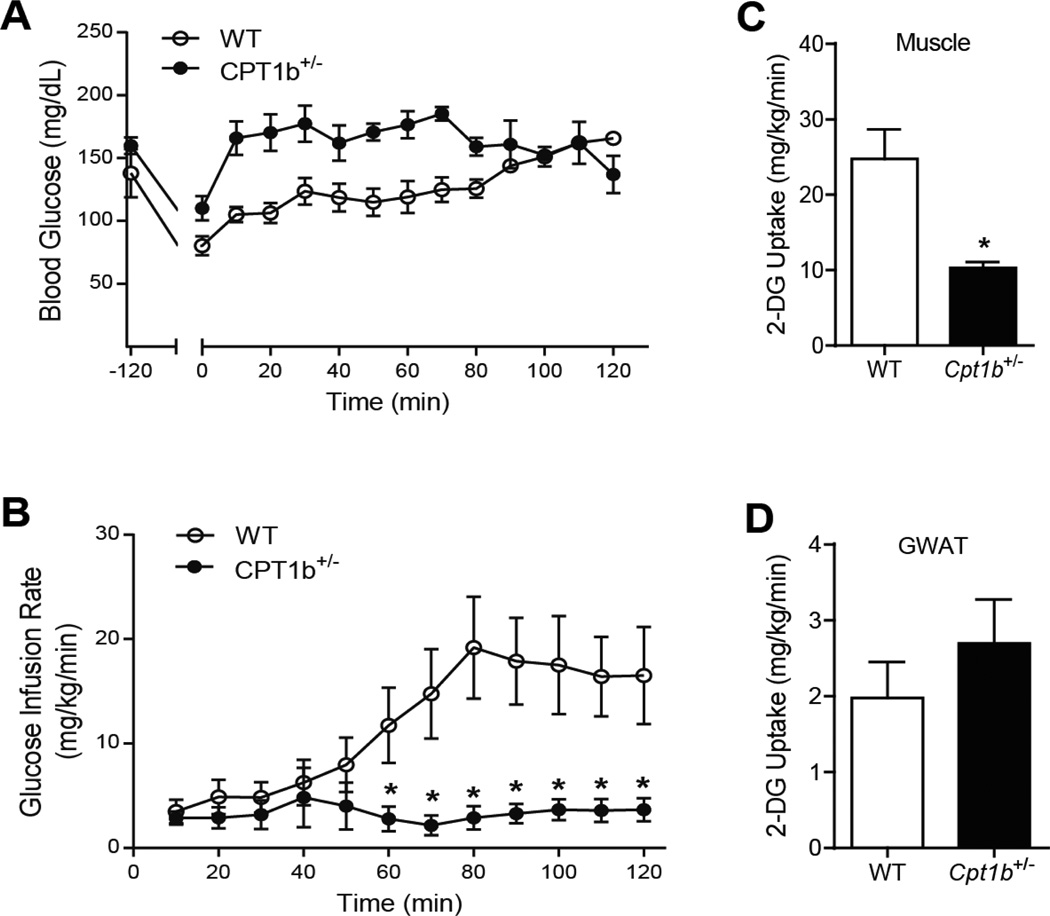
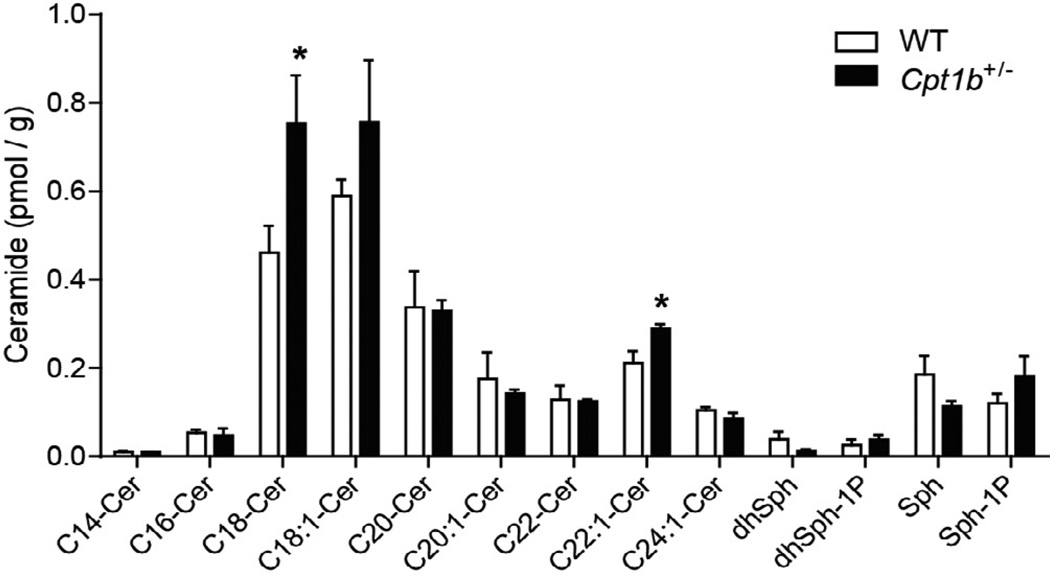
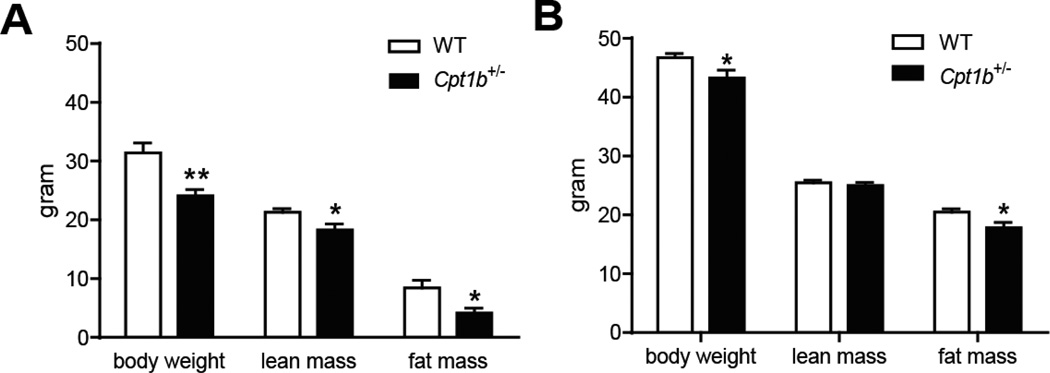
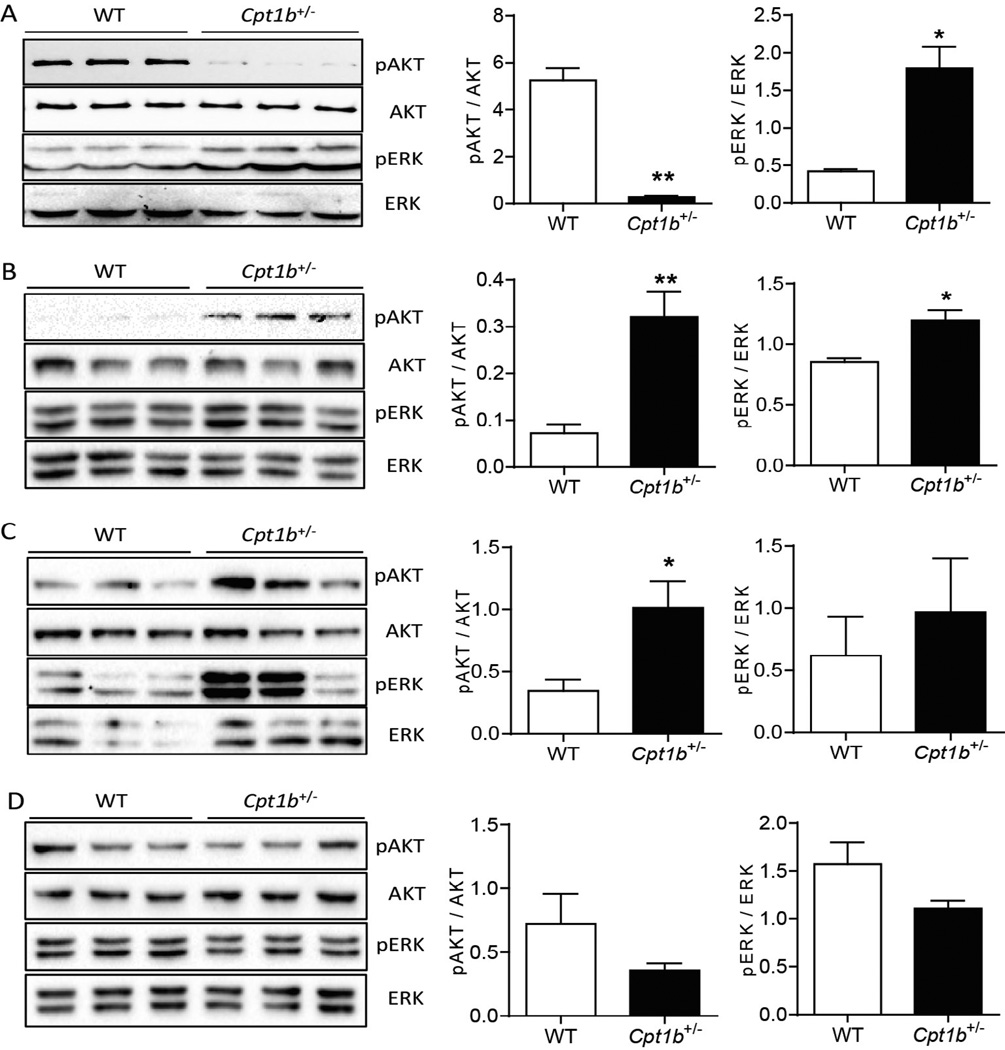
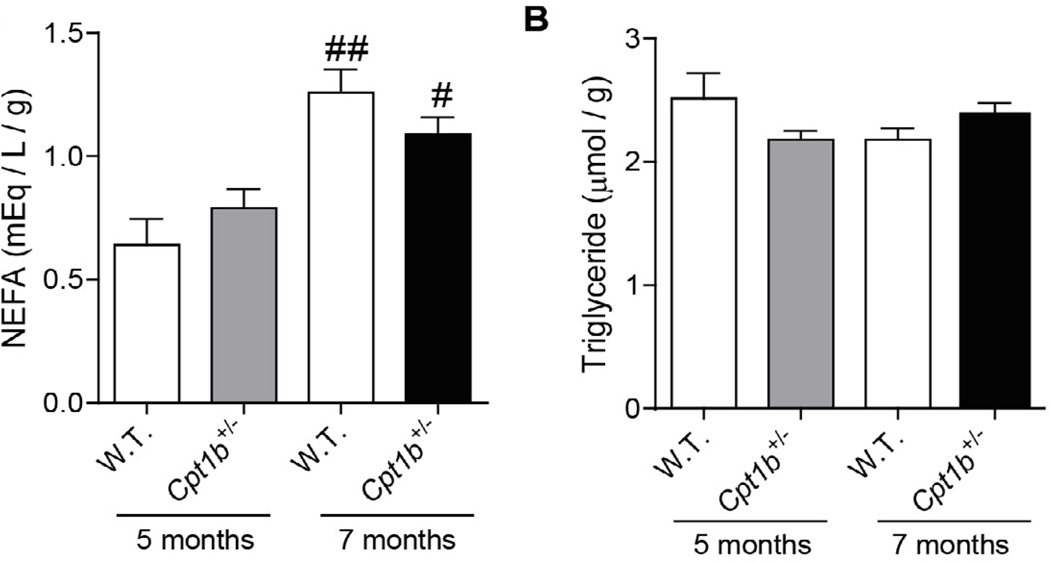
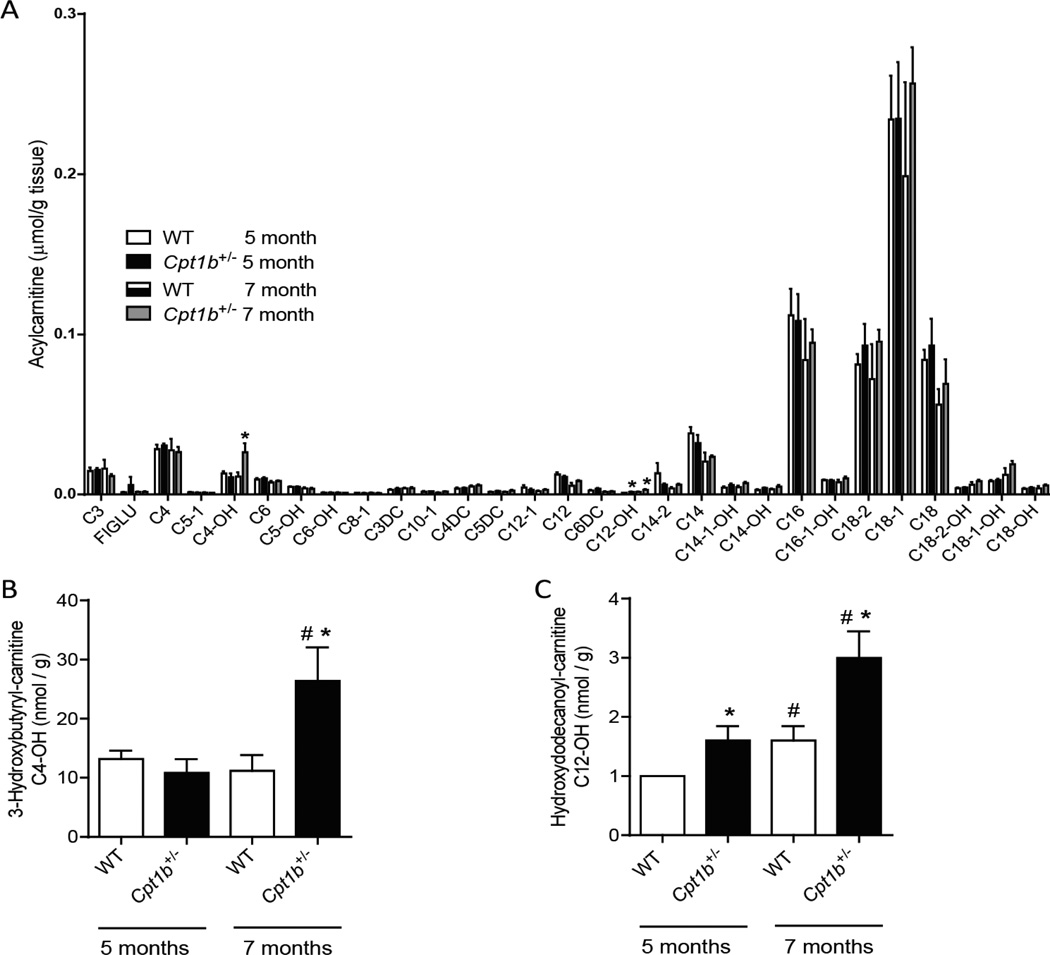
We found that mice became severely insulin resistant after 7 months of HFD feeding. mice exhibited a substantially reduced glucose infusion rate and skeletal muscle glucose uptake. While mice maintained a slower weight gain with less fat mass than WT mice, accumulation of lipid intermediates became evident in the muscle of but not WT mice after 7 months of HFD feeding. Insulin signaling was impaired in the as compared to the WT muscles.
Partial CPT1b deficiency, mimicking CPT1b inhibition, may lead to impaired insulin signaling and insulin sensitivity under a prolonged HFD feeding condition. Therefore, further studies on the potential detrimental effects of prolonged therapy with CPT1 inhibition are necessary in the development of this potential therapeutic strategy.
肉碱棕榈酰转移酶1(CPT1)是控制长链酰基辅酶A进入线粒体的限速酶。在短期临床前动物研究中,使用CPT1抑制剂进行治疗可预防胰岛素抵抗。我们最近报道,肌肉亚型CPT1b缺乏的小鼠在喂食高脂饮食(HFD)长达5个月时,胰岛素敏感性得到改善。在这项后续研究中,我们进一步研究了在长期HFD喂养条件下,部分CPT1b缺乏对胰岛素敏感性的影响是否能够维持。
我们使用杂合子CPT1b缺陷()小鼠与长期(7个月)喂食HFD的野生型(WT)小鼠相比,研究了CPT1b缺乏对HFD诱导的胰岛素抵抗的影响。我们使用高胰岛素-正常血糖钳夹技术评估胰岛素敏感性。我们还检查了身体组成、骨骼肌脂质谱以及骨骼肌、肝脏和脂肪组织中胰岛素信号通路的变化。
我们发现,在喂食HFD 7个月后,小鼠出现严重的胰岛素抵抗。小鼠的葡萄糖输注速率和骨骼肌葡萄糖摄取显著降低。虽然小鼠的体重增加比WT小鼠慢,脂肪量也较少,但在喂食HFD 7个月后,小鼠肌肉中脂质中间体的积累明显,而WT小鼠则没有。与WT肌肉相比,小鼠的胰岛素信号受损。
部分CPT1b缺乏,类似于CPT1b抑制,在长期HFD喂养条件下可能导致胰岛素信号受损和胰岛素敏感性降低。因此,在开发这种潜在治疗策略时,有必要进一步研究长期使用CPT1抑制疗法的潜在有害影响。