BioNano Laboratory, School of Engineering, University of Guelph, Guelph, ON N1G 2W1, Canada; E-Mail:
Biosensors (Basel). 2014 Nov 21;4(4):472-93. doi: 10.3390/bios4040472. eCollection 2014 Dec.
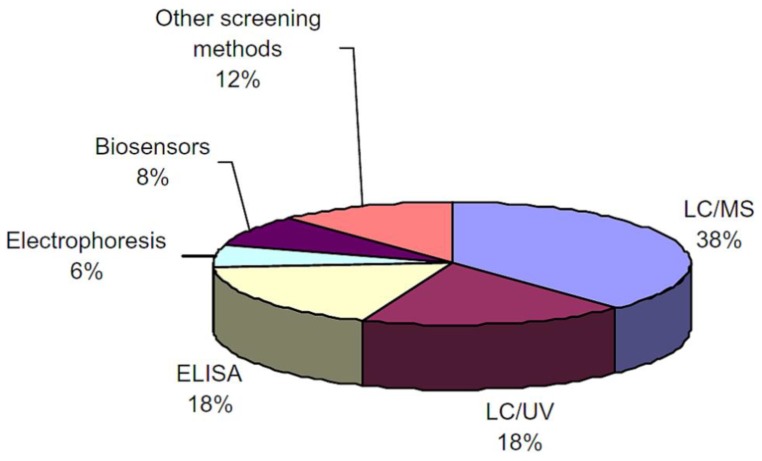
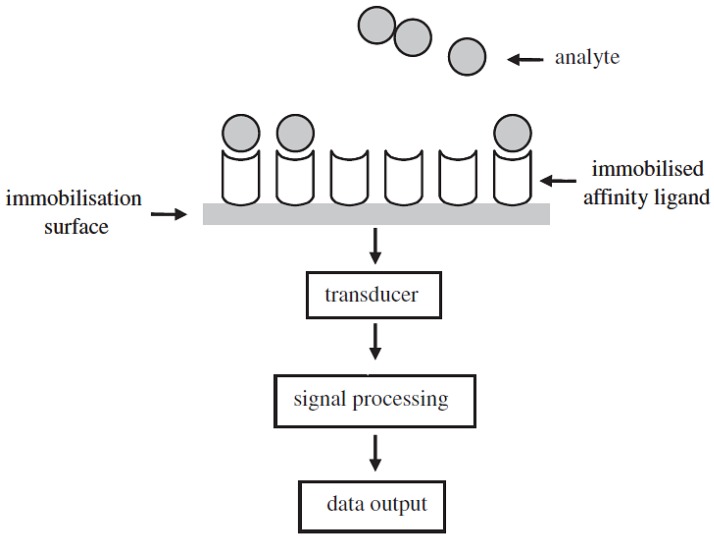
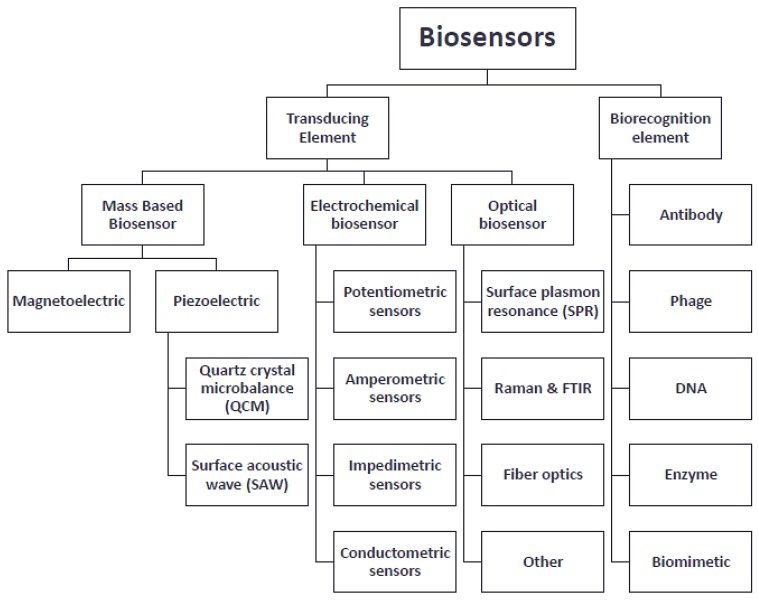
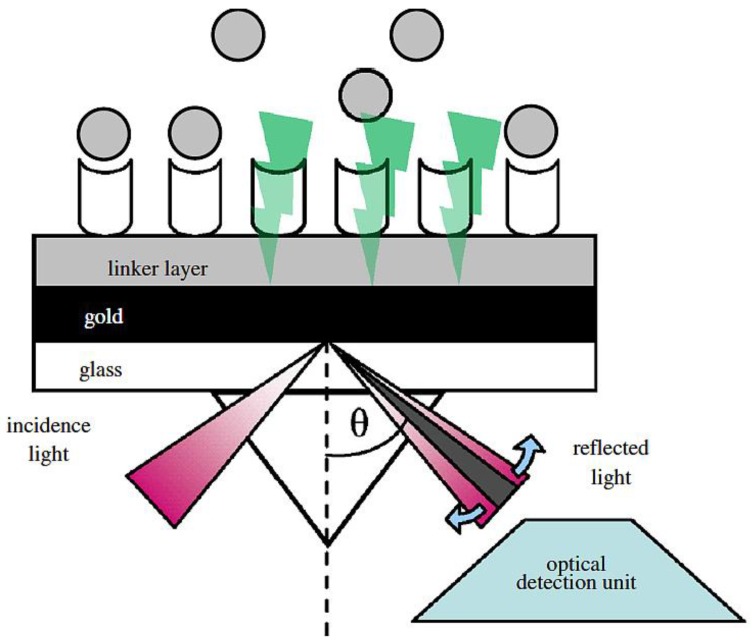
Antibiotic resistance is emerging as a potential threat in the next decades. This is a global phenomenon whereby globalization is acting as a catalyst. Presently, the most common techniques used for the detection of antibiotics are biosensors, ELISA and liquid chromatography-mass spectrometry. Each of these techniques has its benefits as well as drawbacks. This review aims to evaluate different biosensing techniques and their working principles in order to accurately, quickly and practically detect antibiotics in chicken muscle and blood serum. The review is divided into three main sections, namely: a biosensors overview, a section on biosensor recognition and a section on biosensor transducing elements. The first segment provides a detailed overview on the different techniques available and their respective advantages and disadvantages. The second section consists of an evaluation of several analyte systems and their mechanisms. The last section of this review studies the working principles of biosensing transducing elements, focusing mainly on surface plasmon resonance (SPR) technology and its applications in industries.
抗生素耐药性在未来几十年可能会成为一个潜在的威胁。这是一个全球化的现象,全球化正在起到催化剂的作用。目前,用于检测抗生素的最常见技术是生物传感器、ELISA 和液相色谱-质谱联用。这些技术各有优缺点。本综述旨在评估不同的生物传感技术及其工作原理,以便能够准确、快速和实际地检测鸡肉肌肉和血清中的抗生素。综述分为三个主要部分,即:生物传感器概述、生物传感器识别部分和生物传感器换能器部分。第一部分详细介绍了可用的不同技术及其各自的优缺点。第二部分评估了几种分析物系统及其机制。本综述的最后一部分研究了生物传感器换能器的工作原理,主要集中在表面等离子体共振 (SPR) 技术及其在工业中的应用上。