Li Shuo, Wang Shijuan, Wang Xi, Li Xiaoli, Zi Jinyan, Ge Shangshu, Cheng Zhaobang, Zhou Tong, Ji Yinghua, Deng Jinhua, Wong Sek-Man, Zhou Yijun
Institute of Plant Protection, Jiangsu Academy of Agricultural Sciences; Jiangsu Technical Service Center of Diagnosis and Detection for Plant Virus Diseases, Nanjing 210014, People's Republic of China.
National University of Singapore Suzhou Research Institute, Suzhou 215123, People's Republic of China.
Sci Rep. 2015 Jan 20;5:7883. doi: 10.1038/srep07883.
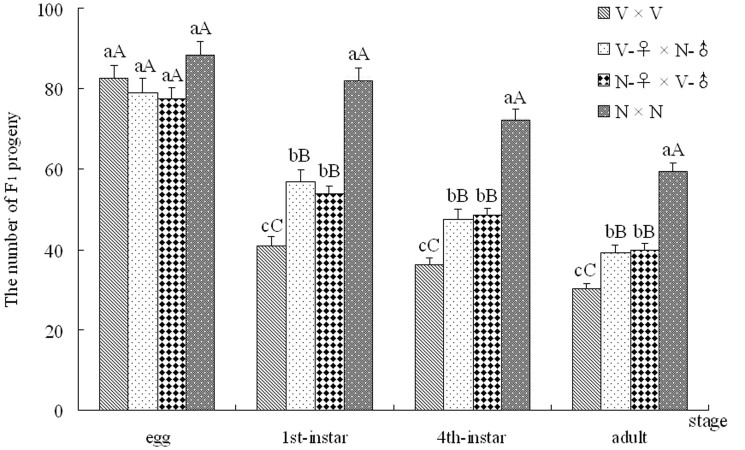
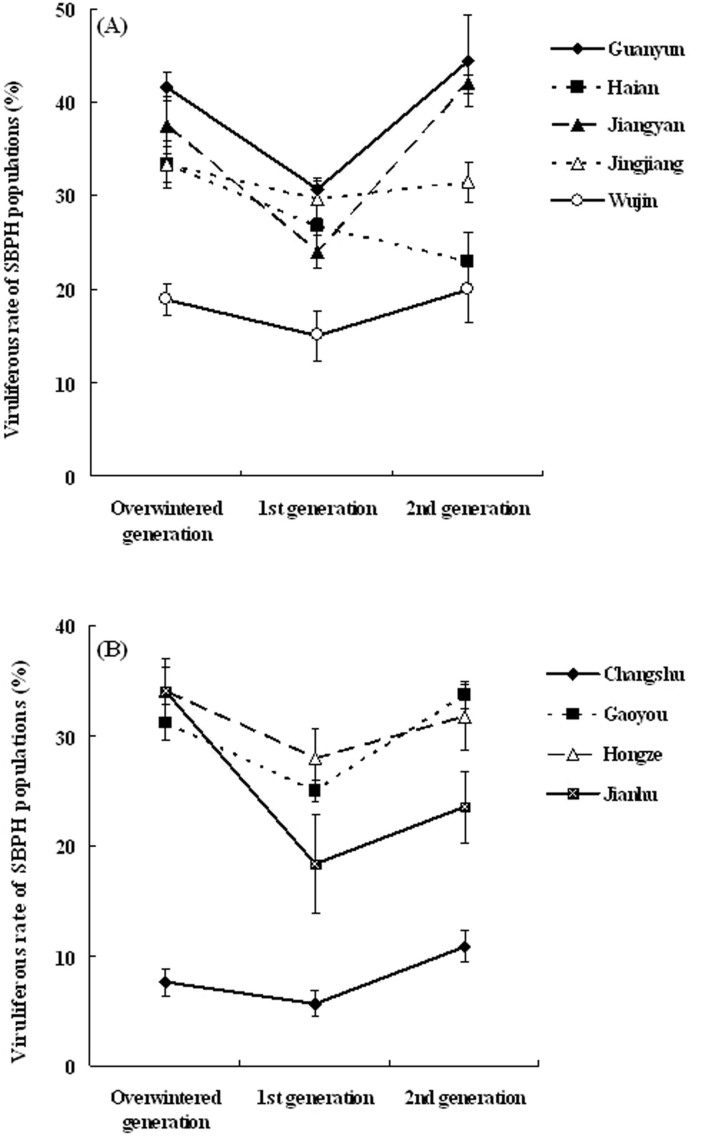
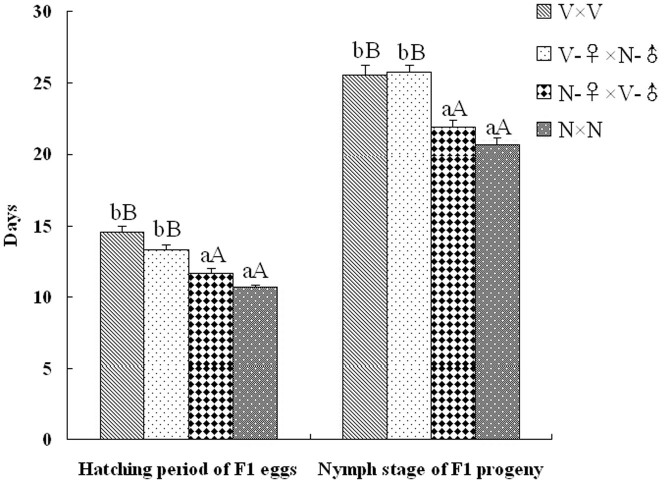
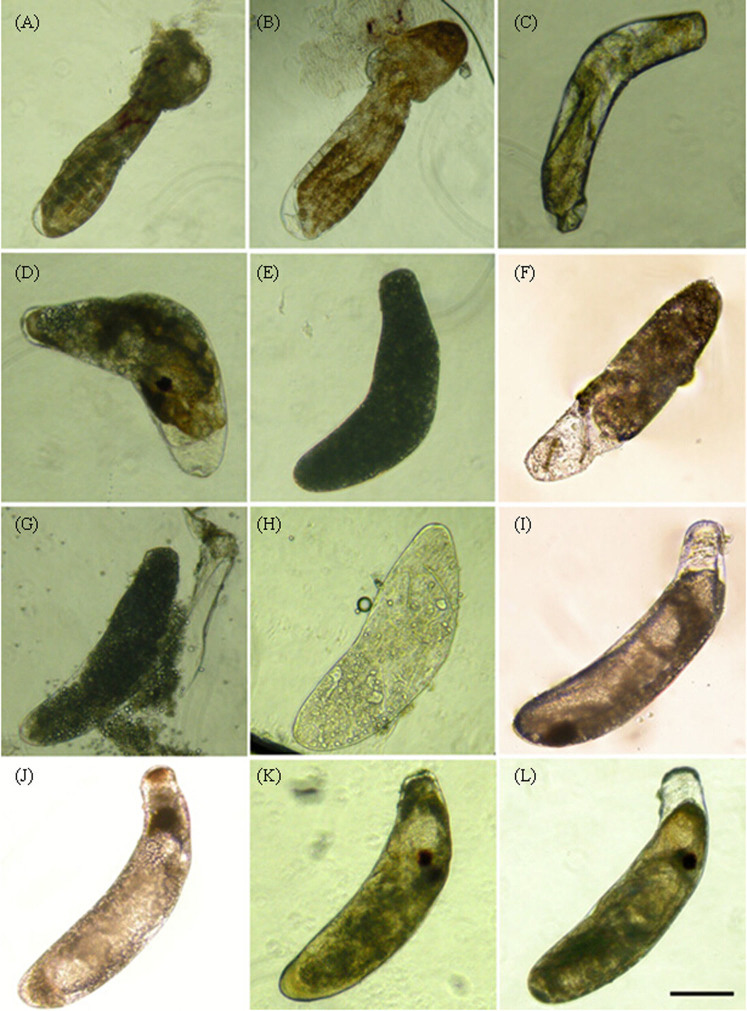
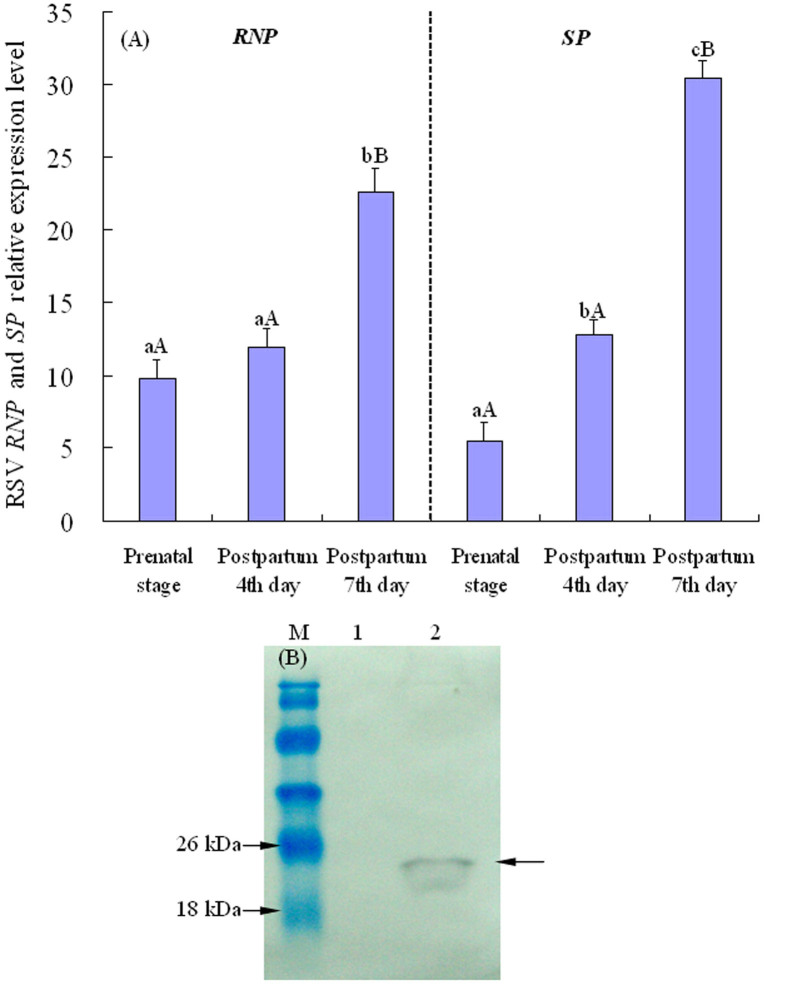
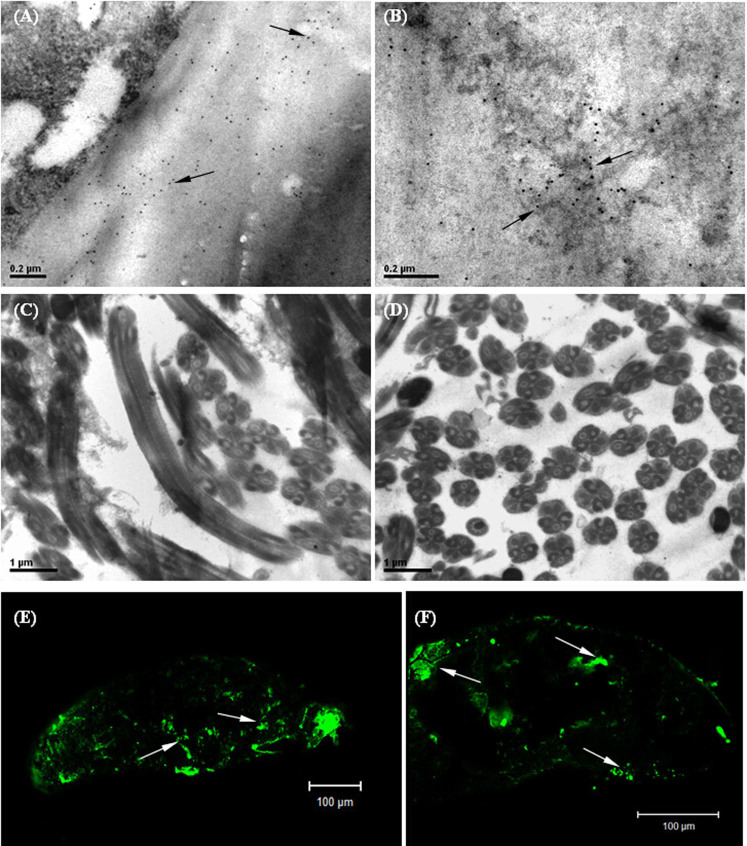
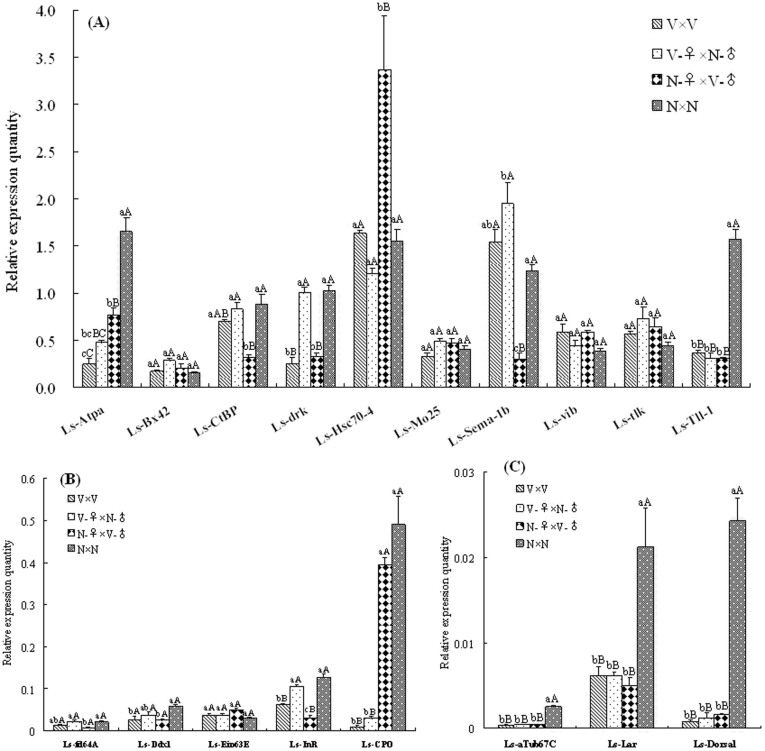
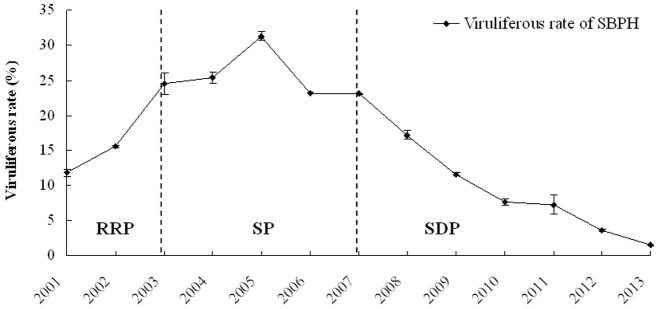
Plant viruses may affect the viability and development process of their herbivore vectors. Small brown planthopper (SBPH) is main vector of Rice stripe virus (RSV), which causes serious rice stripe disease. Here, we reported the effects of RSV on SBPH offspring by crossing experiments between viruliferous and non-viruliferous strains. The life parameters of offspring from different cross combinations were compared. The hatchability of F1 progeny from viruliferous parents decreased significantly, and viruliferous rate was completely controlled by viruliferous maternal parent. To better elucidate the underlying biological mechanisms, the morphology of eggs, viral propagation and distribution in the eggs and expression profile of embryonic development genes were investigated. The results indicated that RSV replicated and accumulated in SBPH eggs resulting in developmental stunt or delay of partial eggs; in addition, RSV was only able to infect ovum but not sperm. According to the expression profile, expression of 13 developmental genes was regulated in the eggs from viruliferous parents, in which two important regulatory genes (Ls-Dorsal and Ls-CPO) were most significantly down-regulated. In general, RSV exerts an adverse effect on SBPH, which is unfavourable for the expansion of viruliferous populations. The viewpoint is also supported by systematic monitoring of SBPH viruliferous rate.
植物病毒可能会影响其食草动物传播媒介的生存能力和发育过程。灰飞虱是水稻条纹病毒(RSV)的主要传播媒介,该病毒会引发严重的水稻条纹病。在此,我们通过带毒和无毒品系之间的杂交实验,报告了RSV对灰飞虱后代的影响。比较了不同杂交组合后代的生命参数。带毒亲本的F1代的孵化率显著降低,带毒率完全由带毒的母本控制。为了更好地阐明潜在的生物学机制,我们研究了卵的形态、病毒在卵中的增殖和分布以及胚胎发育基因的表达谱。结果表明,RSV在灰飞虱卵中复制和积累,导致部分卵发育迟缓或延迟;此外,RSV仅能感染卵子而非精子。根据表达谱,带毒亲本的卵中13个发育基因的表达受到调控,其中两个重要的调控基因(Ls-Dorsal和Ls-CPO)下调最为显著。总体而言,RSV对灰飞虱产生不利影响,不利于带毒种群的扩张。对灰飞虱带毒率的系统监测也支持了这一观点。