Ramos Fernando José da Silva, Fumis Renata Rego Lins, de Azevedo Luciano Cesar Pontes, Schettino Guilherme
Laboratório de Pesquisa em Anestesiologia e Terapia Intensiva, Instituto de Ensino e Pesquisa, Hospital Sírio Libanês, São Paulo, SP, Brasil.
Rev Bras Ter Intensiva. 2014 Oct-Dec;26(4):339-46. doi: 10.5935/0103-507X.20140052.
This study aimed to determine which visitation policy was the most predominant in Brazilian intensive care units and what amenities were provided to visitors.
Eight hundred invitations were sent to the e-mail addresses of intensivist physicians and nurses who were listed in the research groups of the Brazilian Association of Intensive Care Network and the Brazilian Research in Intensive Care Network. The e-mail contained a link to a 33-item questionnaire about the profile of their intensive care unit.
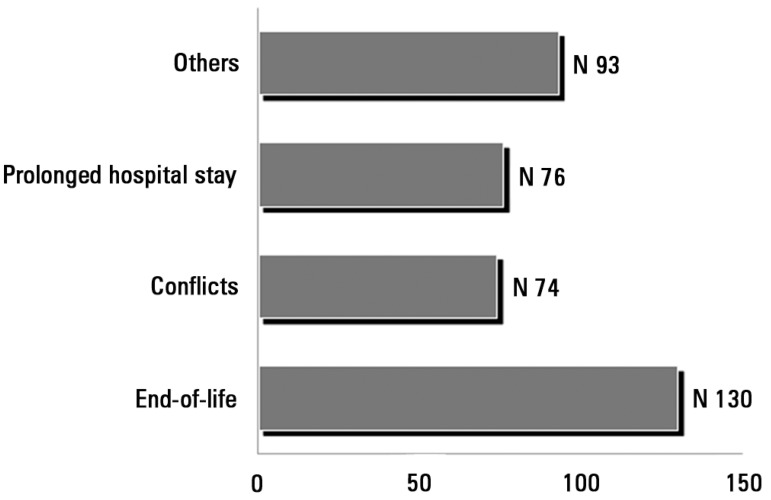
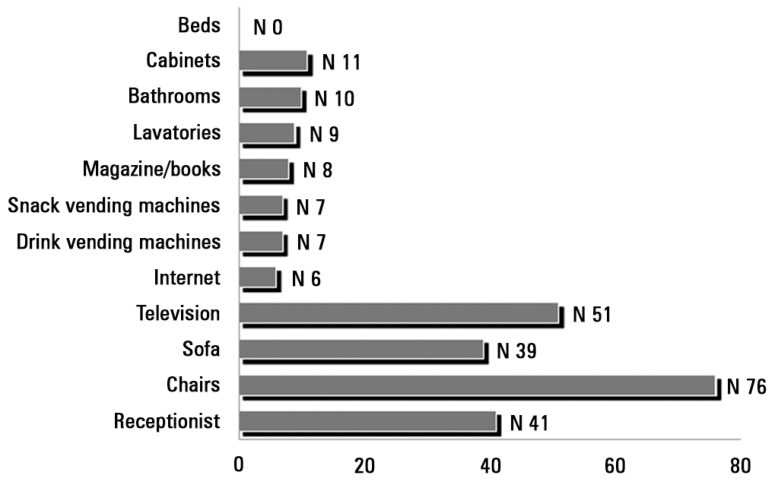
One hundred sixty-two questionnaires from intensive care units located in all regions of the country, but predominantly in the Southeast and South (58% and 16%), were included in the study. Only 2.6% of the intensive care units reported having liberal visitation policies, while 45.1% of the intensive care units allowed 2 visitation periods and 69.1% allowed 31-60 minutes of visitation per period. In special situations, such as end-of-life cases, 98.7% of them allowed flexible visitation. About half of them (50.8%) did not offer any bedside amenities for visitors. Only 46.9% of the intensive care units had a family meeting room, and 37% did not have a waiting room.
Restrictive visitation policies are predominant in Brazilian intensive care units, with most of them allowing just two periods of visitation per day. There is also a lack of amenities for visitors.
本研究旨在确定巴西重症监护病房中哪种探视政策最为普遍,以及为探视者提供了哪些便利设施。
向巴西重症监护网络协会和巴西重症监护研究网络研究小组中列出的重症监护医生和护士的电子邮件地址发送了800份邀请函。电子邮件包含一个指向一份33项问卷的链接,该问卷涉及他们所在重症监护病房的情况。
来自巴西各地重症监护病房的162份问卷被纳入研究,其中大部分位于东南部和南部(分别为58%和16%)。只有2.6%的重症监护病房报告有宽松的探视政策,而45.1%的重症监护病房允许两个探视时间段,69.1%的重症监护病房每个时间段允许31至60分钟的探视时间。在特殊情况下,如临终病例,98.7%的重症监护病房允许灵活探视。约一半(50.8%)的重症监护病房没有为探视者提供任何床边便利设施。只有46.9%的重症监护病房设有家属会议室,37%没有候诊室。
巴西重症监护病房主要实行限制性探视政策,大多数每天只允许两个探视时间段。同时也缺乏为探视者提供的便利设施。