Namburete Ana I L, Stebbing Richard V, Kemp Bryn, Yaqub Mohammad, Papageorghiou Aris T, Alison Noble J
Institute of Biomedical Engineering, Department of Engineering Science, University of Oxford, Oxford, United Kingdom.
Institute of Biomedical Engineering, Department of Engineering Science, University of Oxford, Oxford, United Kingdom.
Med Image Anal. 2015 Apr;21(1):72-86. doi: 10.1016/j.media.2014.12.006. Epub 2015 Jan 3.
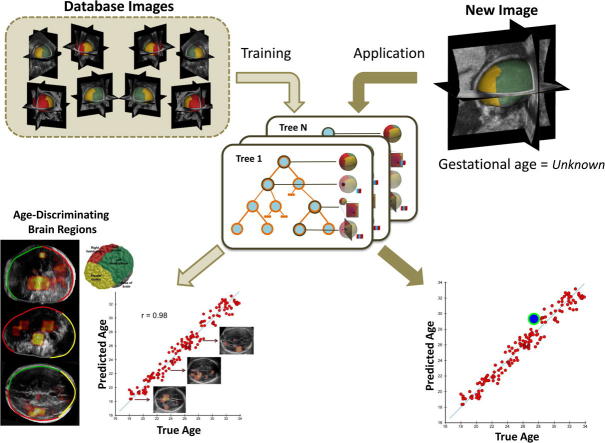
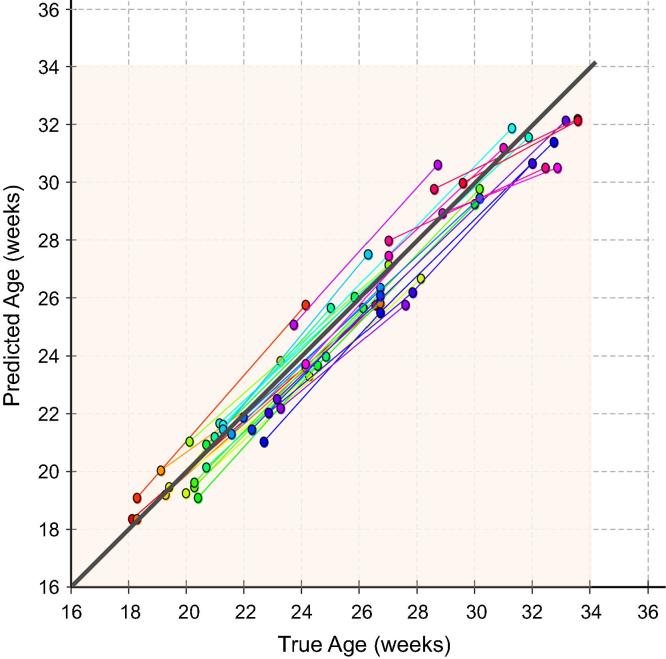
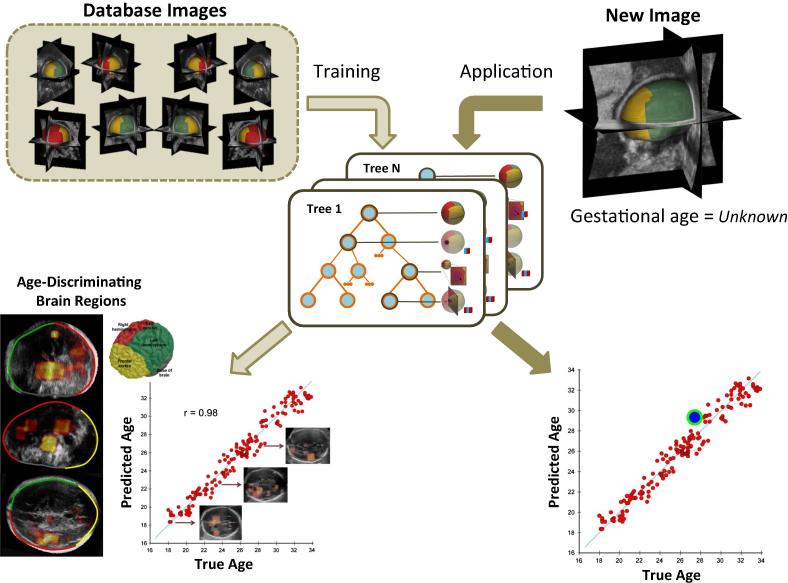
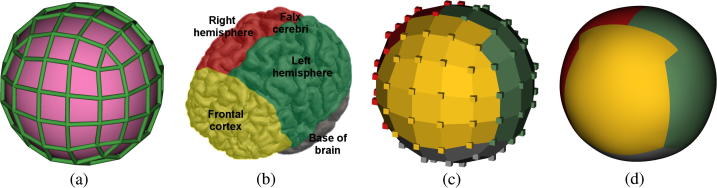
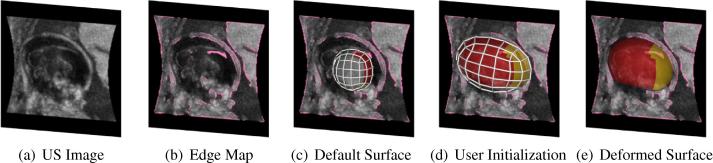
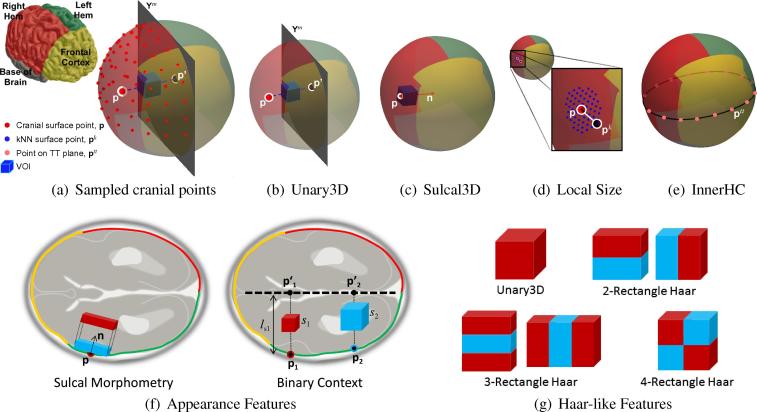
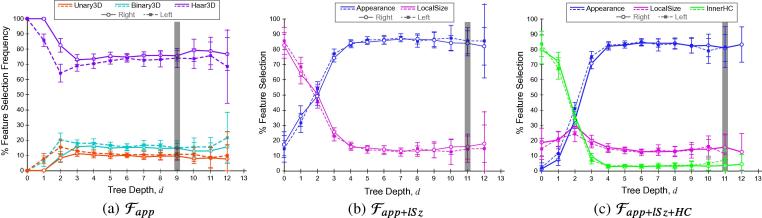
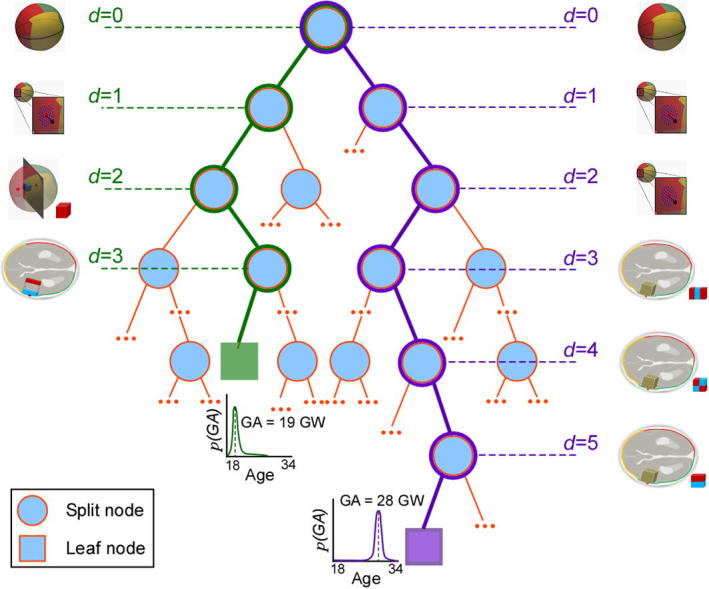
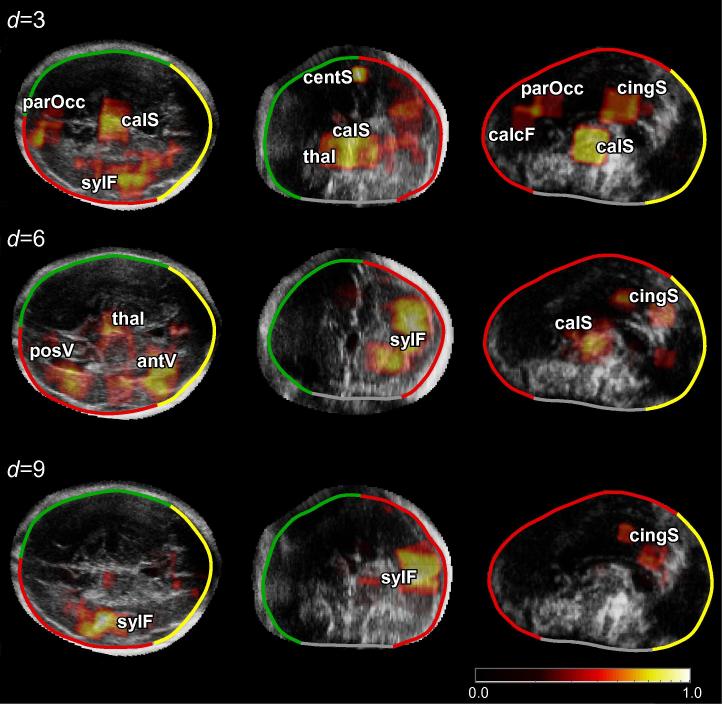
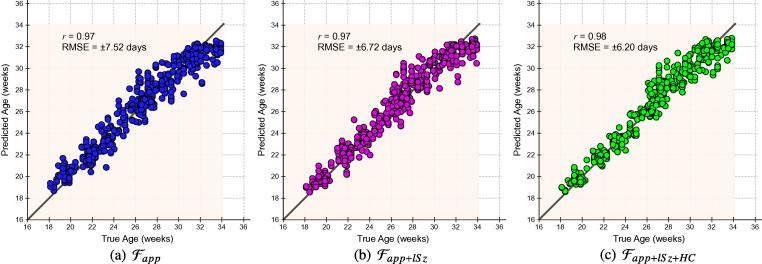
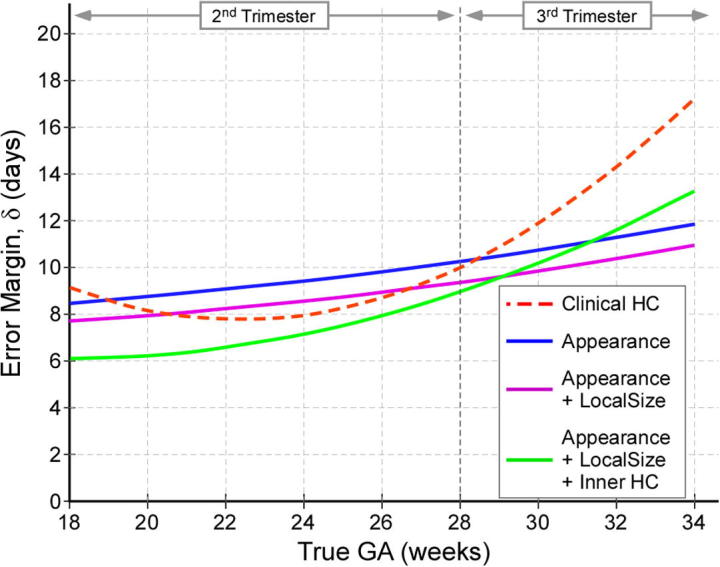
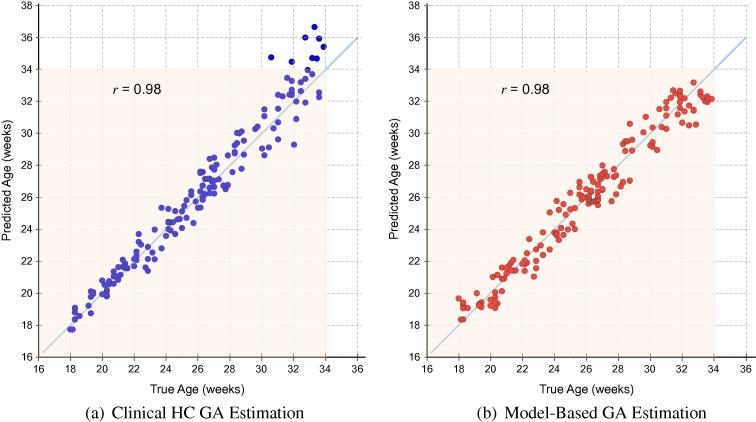
We propose an automated framework for predicting gestational age (GA) and neurodevelopmental maturation of a fetus based on 3D ultrasound (US) brain image appearance. Our method capitalizes on age-related sonographic image patterns in conjunction with clinical measurements to develop, for the first time, a predictive age model which improves on the GA-prediction potential of US images. The framework benefits from a manifold surface representation of the fetal head which delineates the inner skull boundary and serves as a common coordinate system based on cranial position. This allows for fast and efficient sampling of anatomically-corresponding brain regions to achieve like-for-like structural comparison of different developmental stages. We develop bespoke features which capture neurosonographic patterns in 3D images, and using a regression forest classifier, we characterize structural brain development both spatially and temporally to capture the natural variation existing in a healthy population (N=447) over an age range of active brain maturation (18-34weeks). On a routine clinical dataset (N=187) our age prediction results strongly correlate with true GA (r=0.98,accurate within±6.10days), confirming the link between maturational progression and neurosonographic activity observable across gestation. Our model also outperforms current clinical methods by ±4.57 days in the third trimester-a period complicated by biological variations in the fetal population. Through feature selection, the model successfully identified the most age-discriminating anatomies over this age range as being the Sylvian fissure, cingulate, and callosal sulci.
我们提出了一个基于三维超声(US)脑部图像外观预测胎儿孕周(GA)和神经发育成熟度的自动化框架。我们的方法利用与年龄相关的超声图像模式并结合临床测量,首次开发出一种预测年龄模型,该模型提高了超声图像预测孕周的潜力。该框架受益于胎儿头部的多流形表面表示,它描绘了内颅骨边界,并作为基于颅骨位置的通用坐标系。这使得能够快速有效地对解剖学上对应的脑区进行采样,以实现不同发育阶段的同类结构比较。我们开发了定制特征来捕捉三维图像中的神经超声模式,并使用回归森林分类器,在空间和时间上对脑结构发育进行表征,以捕捉健康人群(N = 447)在脑活跃成熟年龄范围(18 - 34周)内存在的自然变异。在一个常规临床数据集(N = 187)上,我们的年龄预测结果与实际孕周高度相关(r = 0.98,在±6.10天内准确),证实了整个孕期可观察到的成熟进展与神经超声活动之间的联系。在孕晚期(这一时期受胎儿群体生物学变异的影响),我们的模型在预测准确性上比当前临床方法提高了±4.57天。通过特征选择,该模型成功识别出在这个年龄范围内最能区分年龄的解剖结构为外侧裂、扣带回和胼胝体沟。