Planchamp Chantal, Glauser Gaetan, Mauch-Mani Brigitte
Laboratory of Molecular and Cell Biology, Institute of Biology, University of Neuchâtel Neuchâtel, Switzerland.
Chemical Analytical Service of the Swiss Plant Science Web, University of Neuchâtel Neuchâtel, Switzerland.
Front Plant Sci. 2015 Jan 13;5:719. doi: 10.3389/fpls.2014.00719. eCollection 2014.
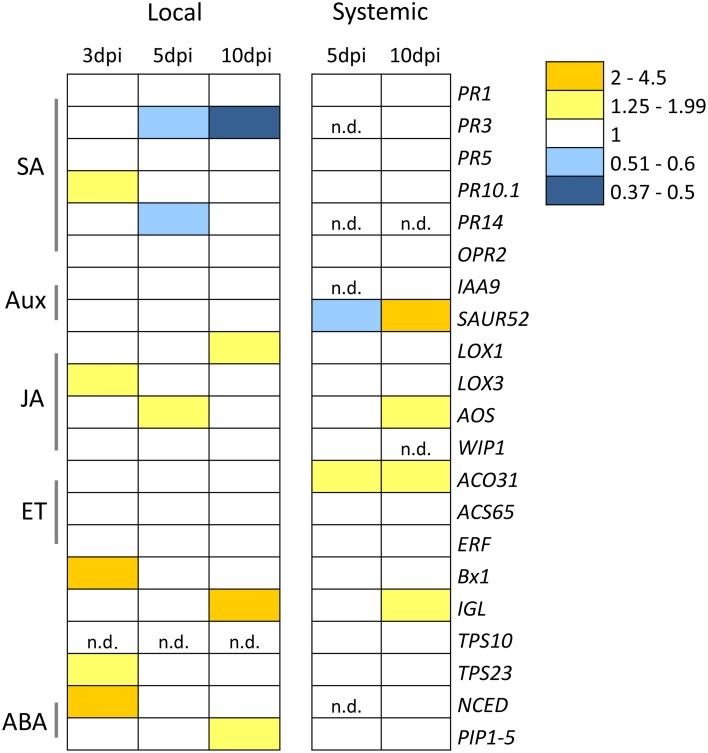
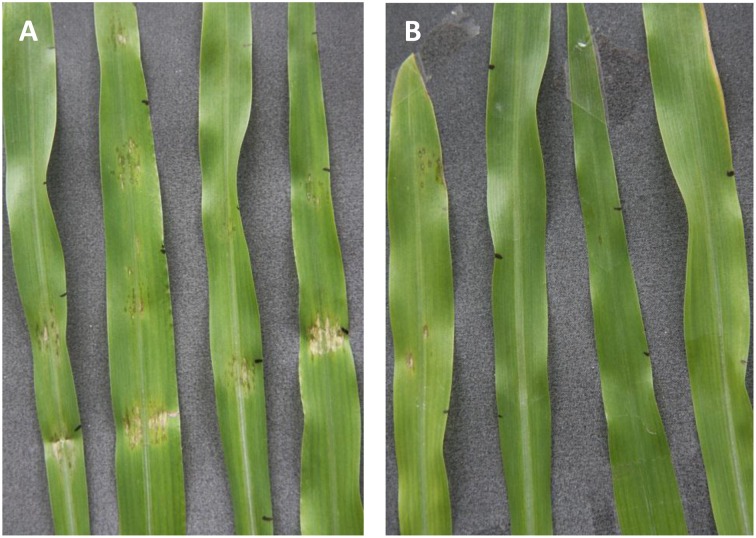
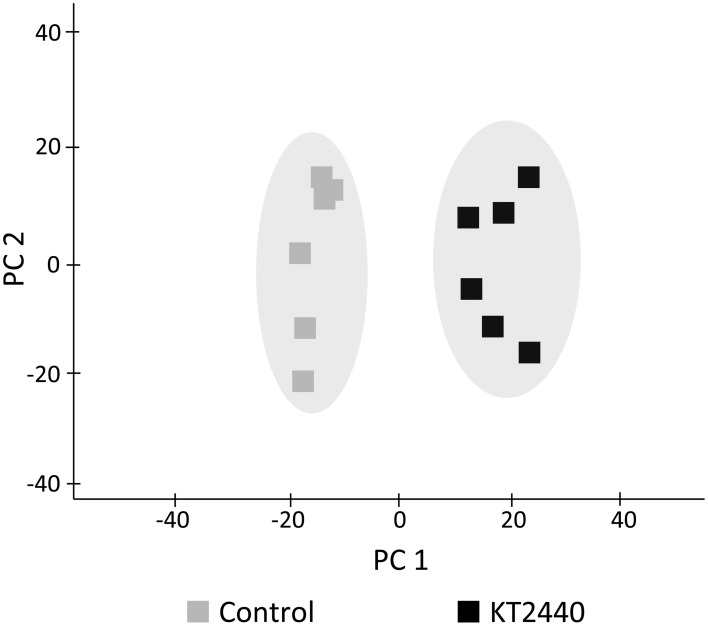
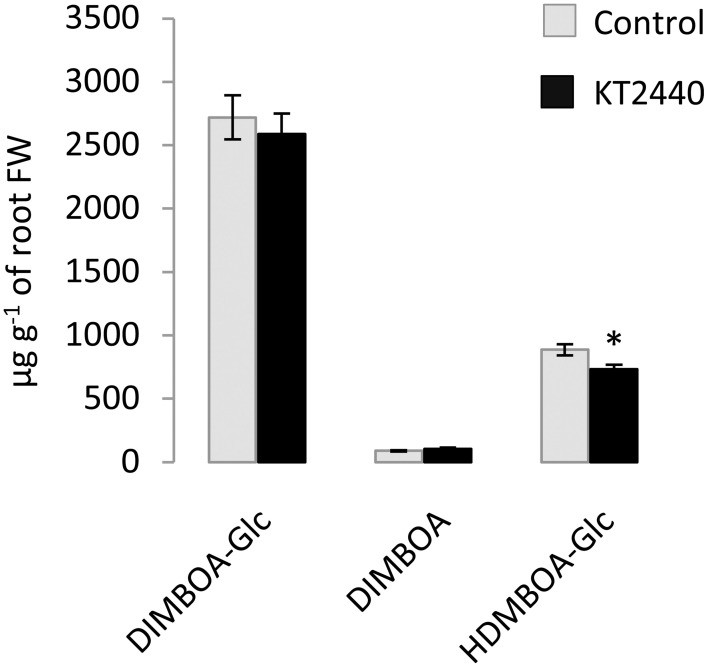
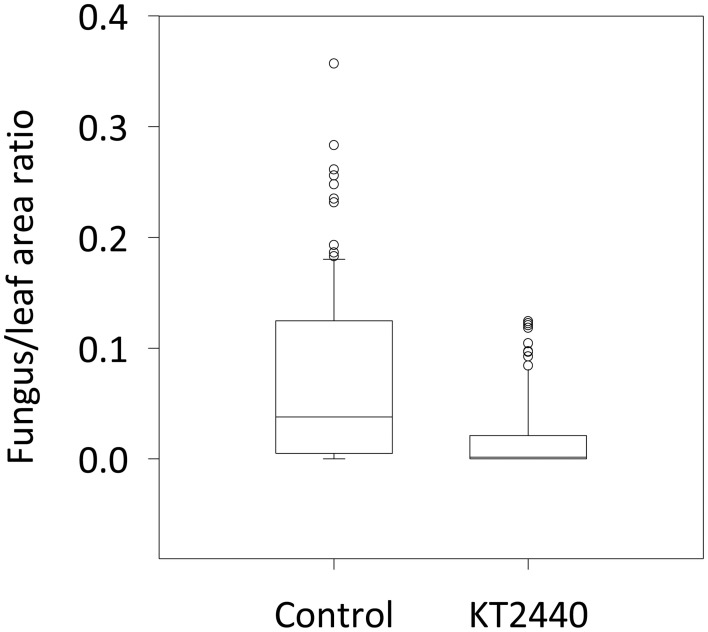
Pseudomonas putida KT2440 (KT2440) rhizobacteria colonize a wide range of plants. They have been extensively studied for their capacity to adhere to maize seeds, to tolerate toxic secondary metabolites produced by maize roots and to be attracted by maize roots. However, the response of maize plants to KT2440 colonization has not been investigated yet. Maize roots were inoculated with KT2440 and the local (roots) and systemic (leaves) early plant responses were investigated. The colonization behavior of KT2440 following application to maize seedlings was investigated and transcriptional analysis of stress- and defense-related genes as well as metabolite profiling of local and systemic maize tissues of KT2440-inoculated were performed. The local and systemic responses differed and more pronounced changes were observed in roots compared to leaves. Early in the interaction roots responded via jasmonic acid- and abscisic acid-dependent signaling. Interestingly, during later steps, the salicylic acid pathway was suppressed. Metabolite profiling revealed the importance of plant phospholipids in KT2440-maize interactions. An additional important maize secondary metabolite, a form of benzoxazinone, was also found to be differently abundant in roots 3 days after KT2440 inoculation. However, the transcriptional and metabolic changes observed in bacterized plants early during the interaction were minor and became even less pronounced with time, indicating an accommodation state of the plant to the presence of KT2440. Since the maize plants reacted to the presence of KT2440 in the rhizosphere, we also investigated the ability of these bacteria to trigger induced systemic resistance (ISR) against the maize anthracnose fungus Colletotrichum graminicola. The observed resistance was expressed as strongly reduced leaf necrosis and fungal growth in infected bacterized plants compared to non-bacterized controls, showing the potential of KT2440 to act as resistance inducers.
恶臭假单胞菌KT2440(KT2440)根际细菌能定殖于多种植物。它们因其附着于玉米种子的能力、耐受玉米根产生的有毒次生代谢物的能力以及被玉米根吸引的能力而受到广泛研究。然而,玉米植株对KT2440定殖的反应尚未得到研究。用KT2440接种玉米根,并研究了植株局部(根)和系统(叶)的早期反应。研究了KT2440施用于玉米幼苗后的定殖行为,并对KT2440接种的玉米局部和系统组织中与胁迫和防御相关基因进行了转录分析以及代谢物谱分析。局部和系统反应有所不同,与叶相比,根中观察到更明显的变化。在相互作用早期,根通过茉莉酸和脱落酸依赖的信号传导做出反应。有趣的是,在后期,水杨酸途径受到抑制。代谢物谱分析揭示了植物磷脂在KT2440与玉米相互作用中的重要性。另一种重要的玉米次生代谢物,一种苯并恶嗪酮形式,在KT2440接种3天后根中的含量也有所不同。然而,在相互作用早期在接种细菌的植株中观察到的转录和代谢变化较小,并且随着时间的推移变得甚至更不明显,这表明植株对KT2440的存在处于适应状态。由于玉米植株对根际中KT2440的存在做出了反应,我们还研究了这些细菌触发对玉米炭疽病菌禾生炭疽菌的诱导系统抗性(ISR)的能力。与未接种细菌的对照相比,在受感染的接种细菌的植株中观察到的抗性表现为叶坏死和真菌生长显著降低,表明KT2440有作为抗性诱导剂的潜力。