Naderi Malihe, Gholipour Naghmeh, Zolfaghari Mohammad Reza, Moradi Binabaj Maryam, Yegane Moghadam Ahmad, Motalleb Gholamreza
Department of Microbiology, Qom branch, Islamic Azad University, Qom 37185-364, Iran .
National Institute of Genetic Engineering and Biotechnology, Department of Molecular Genetics, Tehran, Iran .
Int J Mol Cell Med. 2014 Fall;3(4):207-15.
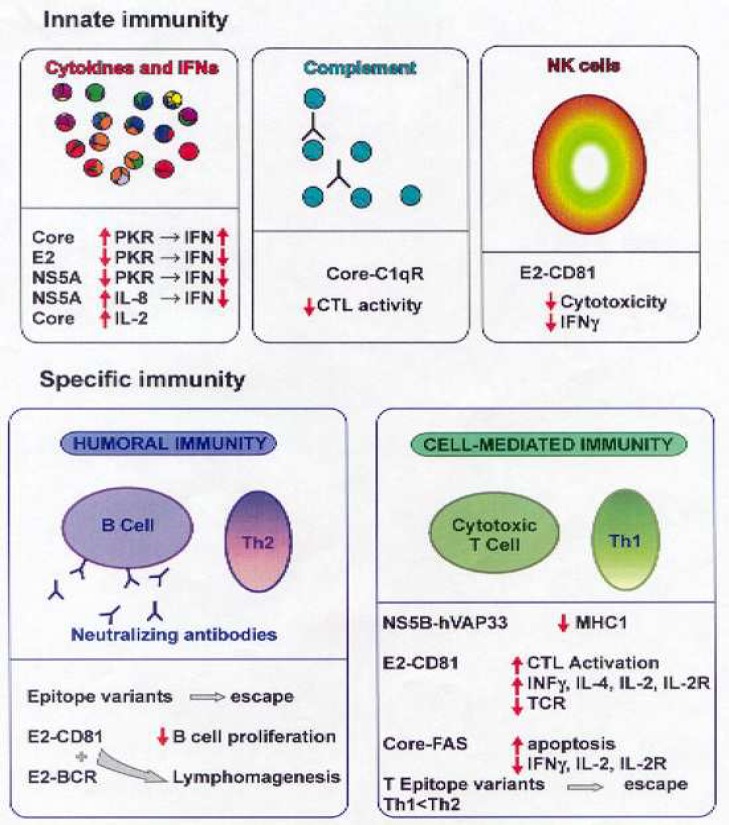
The prevalence of Hepatitis C virus (HCV) is approximately 3% around the world. This virus causes chronic hepatitis, liver cirrhosis and hepatocellular carcinoma. The effectiveness of interferon-α and ribavirin therapy is about 50% and is associated with significant toxicity and cost. Hence, generating new vaccines or drugs is an obligation. However, there is no vaccine available for clinical use. DNA vaccines have some advantages such as producing feasibility and generating intensive cellular and humoral immune responses. Activation and improvement of natural immune defense mechanisms is a necessity for the development of an effective HCV vaccine. This article discusses the current status of therapies for hepatitis C, the promising new therapies and the experimental strategies to develop an HCV vaccine.
丙型肝炎病毒(HCV)在全球的流行率约为3%。这种病毒会引发慢性肝炎、肝硬化和肝细胞癌。干扰素-α和利巴韦林疗法的有效性约为50%,且伴有显著的毒性和成本。因此,研发新疫苗或药物是一项义务。然而,目前尚无可供临床使用的疫苗。DNA疫苗具有一些优势,比如生产可行性以及能引发强烈的细胞免疫和体液免疫反应。激活并改善天然免疫防御机制是研发有效HCV疫苗的必要条件。本文讨论了丙型肝炎治疗的现状、有前景的新疗法以及研发HCV疫苗的实验策略。