Heinz Sven, Romanoski Casey E, Benner Christopher, Glass Christopher K
Salk Institute for Biological Studies, 10010 North Torrey Pines Road, La Jolla, San Diego, California 92037, USA.
Department of Cellular and Molecular Medicine, University of California, San Diego, 9500 Gilman Drive, La Jolla, San Diego, California 92093, USA.
Nat Rev Mol Cell Biol. 2015 Mar;16(3):144-54. doi: 10.1038/nrm3949. Epub 2015 Feb 4.
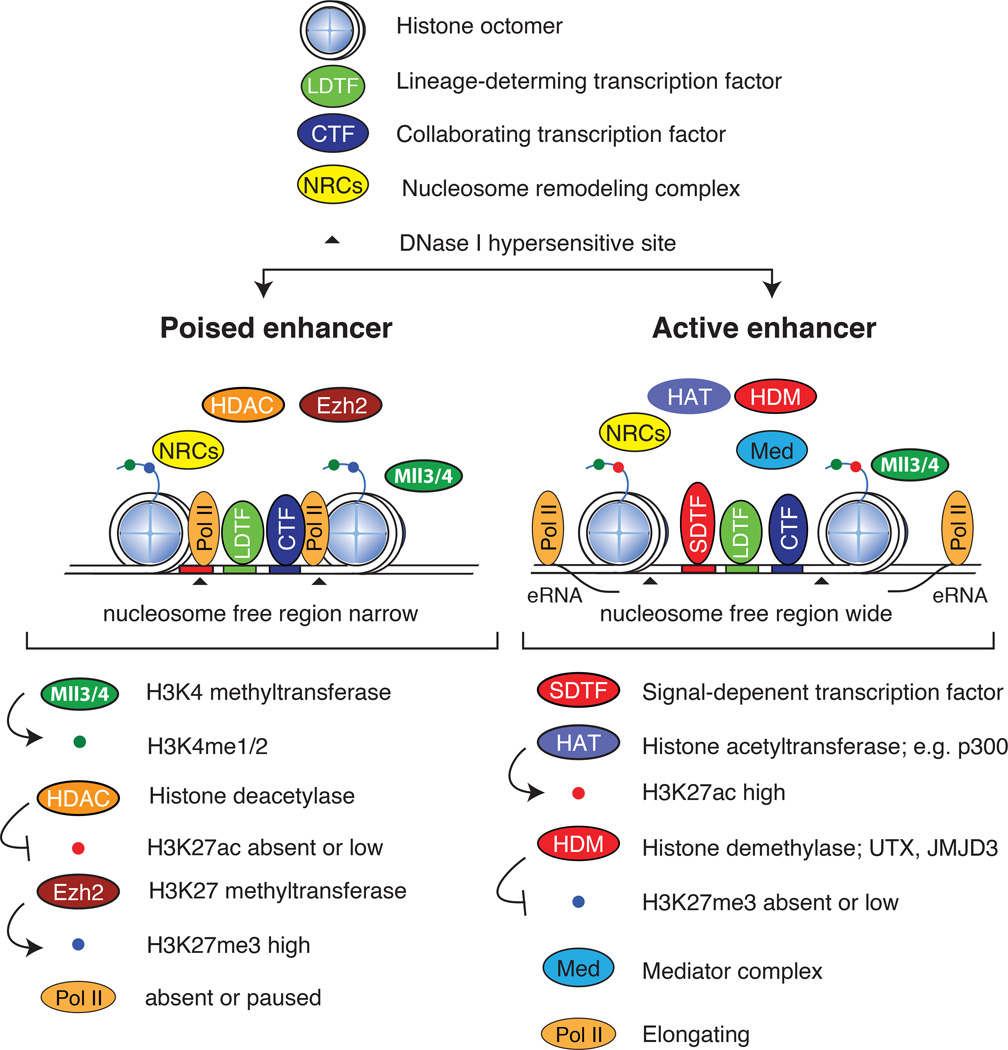
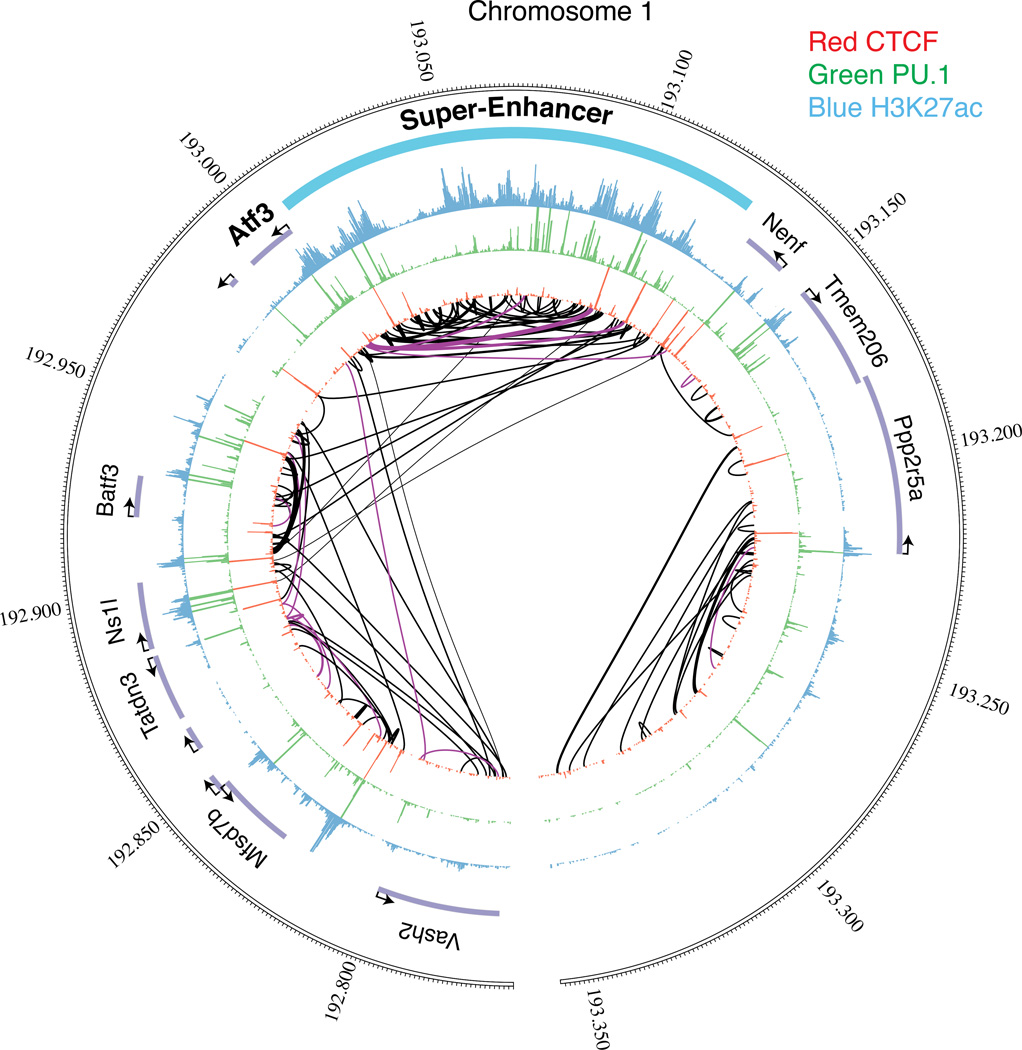
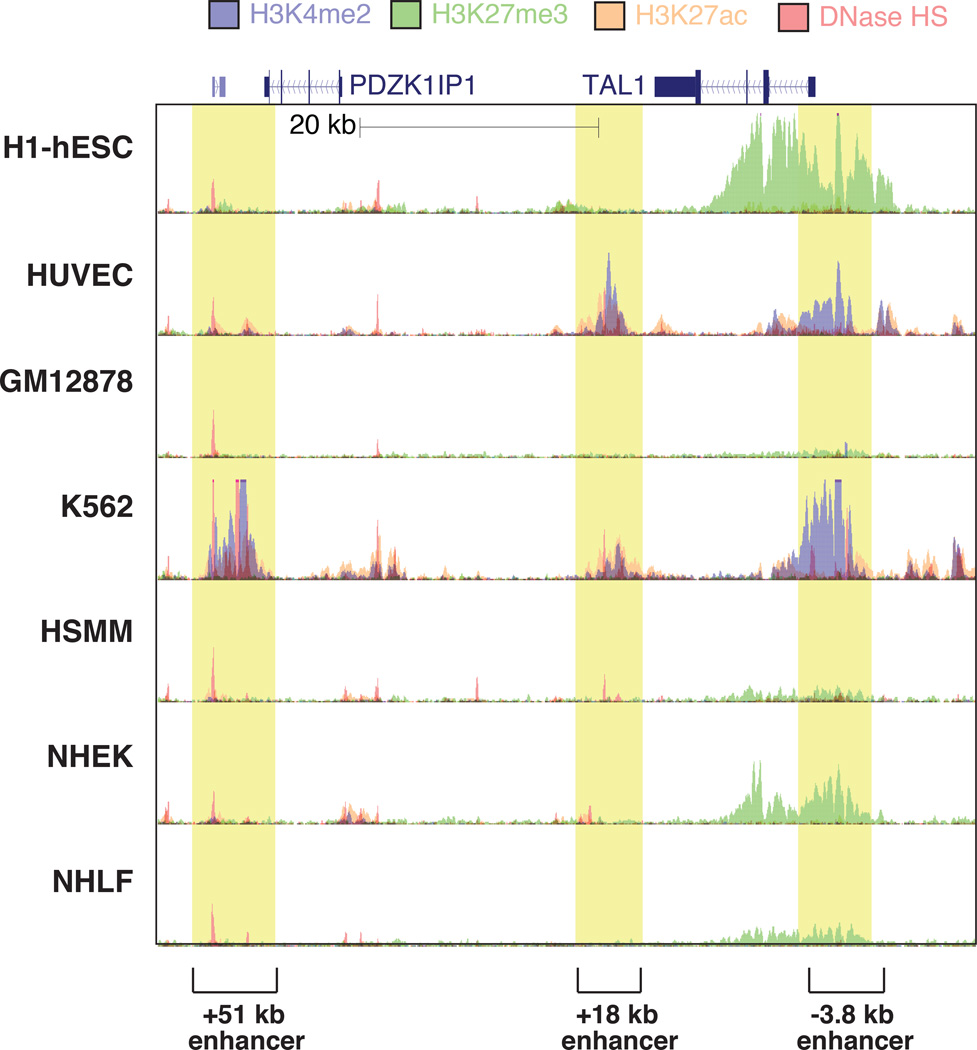
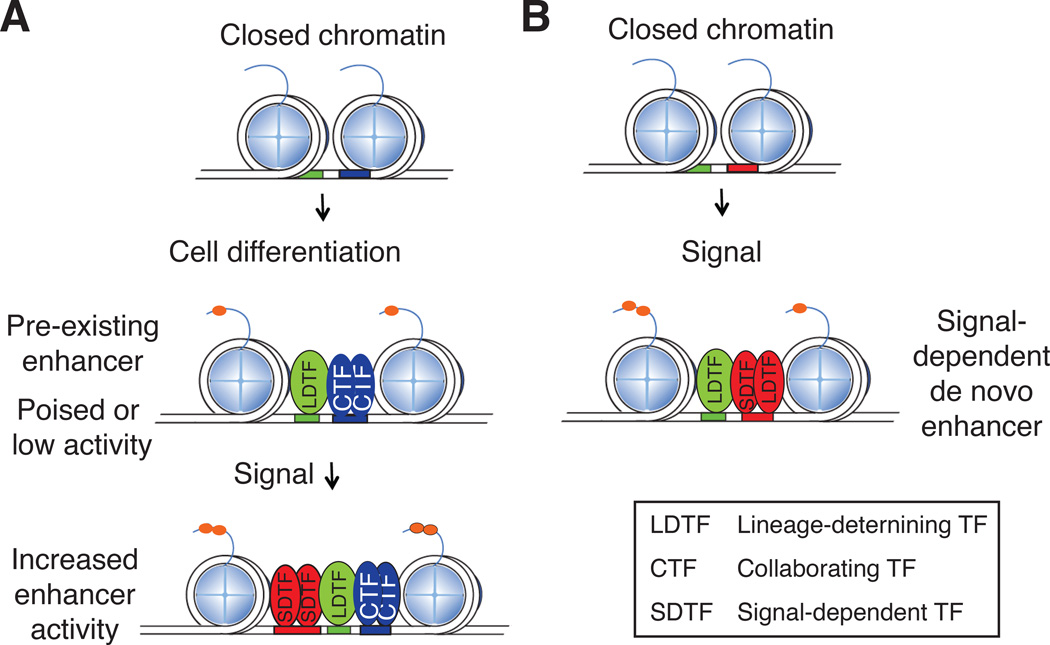
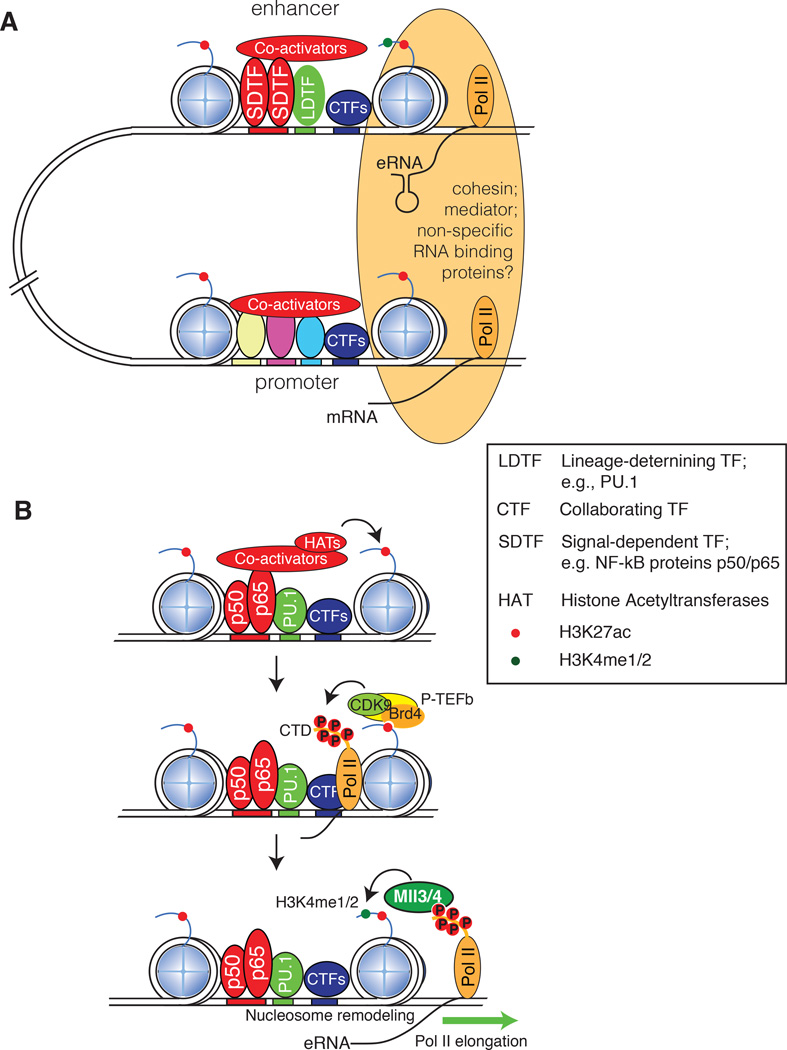
The human body contains several hundred cell types, all of which share the same genome. In metazoans, much of the regulatory code that drives cell type-specific gene expression is located in distal elements called enhancers. Although mammalian genomes contain millions of potential enhancers, only a small subset of them is active in a given cell type. Cell type-specific enhancer selection involves the binding of lineage-determining transcription factors that prime enhancers. Signal-dependent transcription factors bind to primed enhancers, which enables these broadly expressed factors to regulate gene expression in a cell type-specific manner. The expression of genes that specify cell type identity and function is associated with densely spaced clusters of active enhancers known as super-enhancers. The functions of enhancers and super-enhancers are influenced by, and affect, higher-order genomic organization.
人体包含数百种细胞类型,所有这些细胞都共享相同的基因组。在后生动物中,驱动细胞类型特异性基因表达的许多调控密码位于称为增强子的远端元件中。尽管哺乳动物基因组包含数百万个潜在的增强子,但其中只有一小部分在特定细胞类型中是活跃的。细胞类型特异性增强子的选择涉及决定细胞谱系的转录因子与增强子的结合。信号依赖的转录因子与已被激活的增强子结合,这使得这些广泛表达的因子能够以细胞类型特异性的方式调节基因表达。决定细胞类型特征和功能的基因的表达与称为超级增强子的紧密排列的活性增强子簇相关。增强子和超级增强子的功能受到高阶基因组组织的影响,并对其产生影响。