Moezy Azar, Sepehrifar Saeed, Solaymani Dodaran Masoud
1. PhD, PT, Assistant Professor, Department of Sports Medicine, Hazrat Rasool-e-Akram Hospital, Iran University of Medical Sciences, Tehran, Iran.
2. MD, Sports Medicine Assistant, Hazrat Rasool-e-Akram Hospital, Iran University of Medical Sciences, Tehran, Iran.
Med J Islam Repub Iran. 2014 Aug 27;28:87. eCollection 2014.
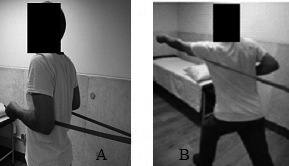
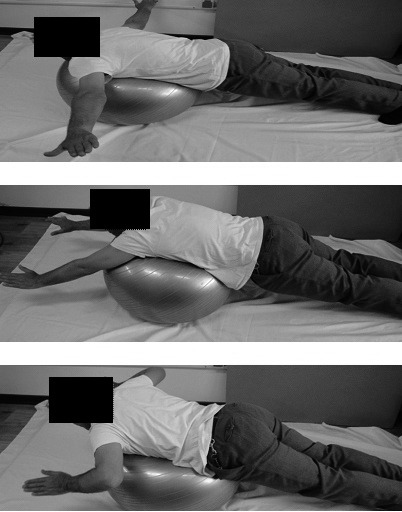
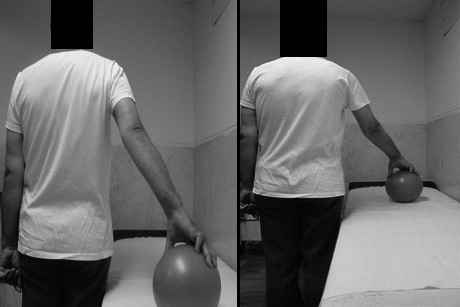
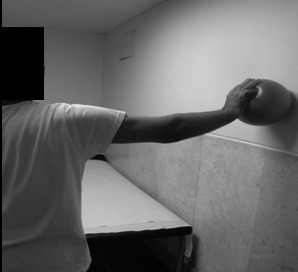
Dysfunction in the kinetic chain caused by poor scapula stabilization can contribute to shoulder injuries and Shoulder Impingement Syndrome (SIS). The purpose of this study was to compare the effectiveness of two treatment approaches scapular stabilization based exercise therapy and physical therapy in patients with SIS.
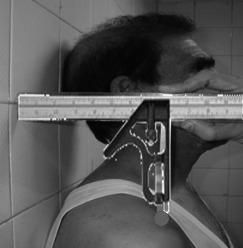
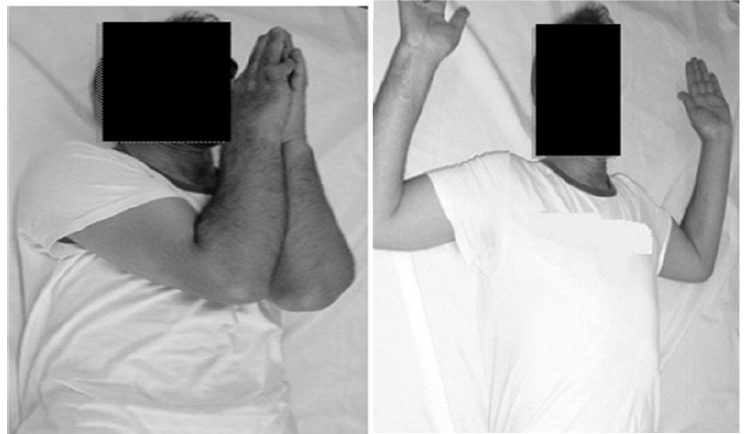
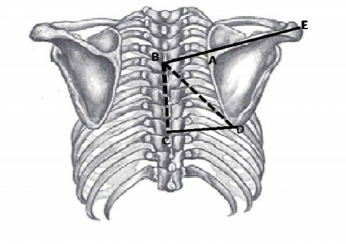
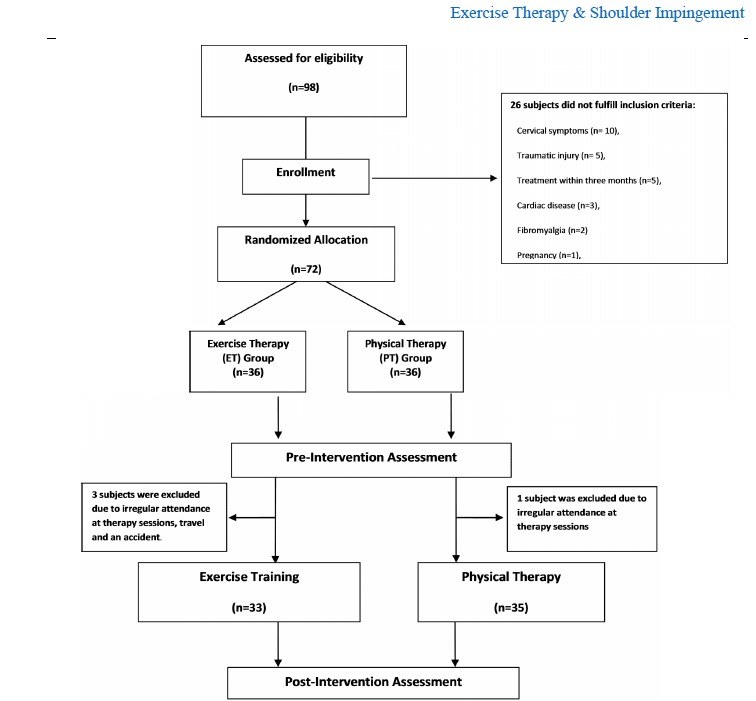
The study is a randomized clinical trial in which 68 patients with SIS were randomly assigned in two groups of exercise therapy (ET) and physical therapy (PT) and received 18 sessions of treatment. Pain, shoulders' range of abduction and external rotation, shoulder protraction, scapular rotation and symmetry as well as postural assessment and Pectoralis minor length were evaluated pre and post intervention. The paired-sample t test and the independent sample t test were applied respectively to determine the differences in each group and between two groups.
Our findings indicated significant differences in abduction and external rotation range, improvement of forward shoulder translation and increase in the flexibility of the involved shoulder between the two groups (respectively ; p=0.024, p=0.001, p<0/0001, p<0/0001). No significant difference was detected in pain reduction between the groups (p=0.576). Protraction of the shoulder (p<0.0001), forward head posture (p<0/0001) and mid thoracic curvature (p<0.0001) revealed a significant improvement in the ET group. Apparent changes occurred in scapular rotation and symmetry in both groups but no significant differences were observed between the two groups (respectively; p=0.183, p=0.578).
The scapular stabilization based exercise intervention was successful in increasing shoulder range, decreasing forward head and shoulder postures and Pectoralis minor flexibility.
肩胛骨稳定性差导致的动力链功能障碍可导致肩部损伤和肩峰撞击综合征(SIS)。本研究的目的是比较两种治疗方法——基于肩胛骨稳定的运动疗法和物理疗法——对SIS患者的疗效。
本研究为一项随机临床试验,68例SIS患者被随机分为运动疗法(ET)组和物理疗法(PT)组,接受18次治疗。在干预前后评估疼痛、肩部外展和外旋范围、肩部前伸、肩胛骨旋转和对称性,以及姿势评估和胸小肌长度。分别应用配对样本t检验和独立样本t检验来确定每组内以及两组之间的差异。
我们的研究结果表明,两组在外展和外旋范围、前肩平移改善以及患侧肩部灵活性增加方面存在显著差异(分别为;p = 0.024,p = 0.001,p < 0.0001,p < 0.0001)。两组之间在疼痛减轻方面未检测到显著差异(p = 0.576)。ET组的肩部前伸(p < 0.0001)、头部前倾姿势(p < 0.0001)和胸中段曲率(p < 0.0001)有显著改善。两组肩胛骨旋转和对称性均有明显变化,但两组之间未观察到显著差异(分别为;p = 0.183,p = 0.578)。
基于肩胛骨稳定的运动干预成功增加了肩部活动范围,改善了头部和肩部前倾姿势以及胸小肌灵活性。