Hutcherson Justin A, Scott David A, Bagaitkar Juhi
Departments of Microbiology and Immunology, University of Louisville, Louisville, USA.
Oral Immunology and Infectious Diseases, University of Louisville, 501 South Preston Street, Louisville, KY 40292 USA.
Tob Induc Dis. 2015 Feb 10;13(1):1. doi: 10.1186/s12971-014-0026-3. eCollection 2015.
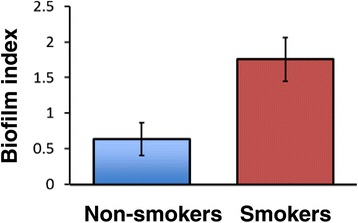
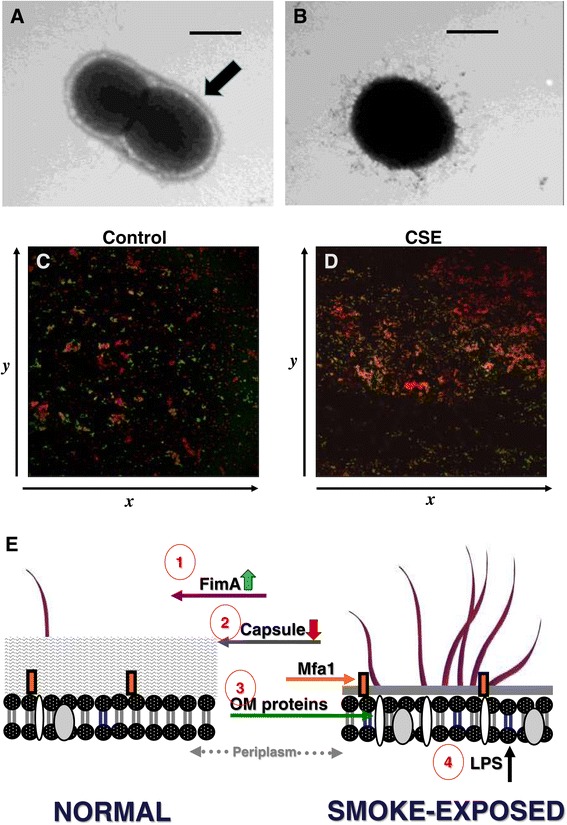
Individual environmental factors, such as iron, temperature and oxygen, are known to have a profound effect on bacterial phenotype. Therefore, it is surprising so little known is about the influence of chemically complex cigarette smoke on bacterial physiology. Recent evidence has demonstrated that tobacco smoke and components alter the bacterial surface and promote biofilm formation in several important human pathogens, including Staphylococcus aureus, Streptococcus mutans, Klebsiella pneumonia, Porphyromonas gingivalis and Pseudomonas aeruginosa. The mechanisms underlying this phenomenon and the relevance to increased susceptibility to infectious disease in smokers and to treatment are reviewed.
已知铁、温度和氧气等个体环境因素会对细菌表型产生深远影响。因此,令人惊讶的是,对于化学组成复杂的香烟烟雾对细菌生理学的影响却知之甚少。最近的证据表明,烟草烟雾及其成分会改变细菌表面,并促进包括金黄色葡萄球菌、变形链球菌、肺炎克雷伯菌、牙龈卟啉单胞菌和铜绿假单胞菌在内的几种重要人类病原体形成生物膜。本文综述了这一现象背后的机制以及与吸烟者对传染病易感性增加和治疗的相关性。