• 文献检索
  • 文档翻译
  • 深度研究
  • 学术资讯
  • Suppr Zotero 插件Zotero 插件
  • 邀请有礼
  • 套餐&价格
  • 历史记录
应用&插件
Suppr Zotero 插件Zotero 插件浏览器插件Mac 客户端Windows 客户端微信小程序
定价
高级版会员购买积分包购买API积分包
服务
文献检索文档翻译深度研究API 文档MCP 服务
关于我们
关于 Suppr公司介绍联系我们用户协议隐私条款
关注我们

Suppr 超能文献

核心技术专利:CN118964589B侵权必究
粤ICP备2023148730 号-1Suppr @ 2026

文献检索

告别复杂PubMed语法,用中文像聊天一样搜索,搜遍4000万医学文献。AI智能推荐,让科研检索更轻松。

立即免费搜索

文件翻译

保留排版,准确专业,支持PDF/Word/PPT等文件格式,支持 12+语言互译。

免费翻译文档

深度研究

AI帮你快速写综述,25分钟生成高质量综述,智能提取关键信息,辅助科研写作。

立即免费体验

快速应激系统驱动恐惧从发送者到接收者的化学传递。

Rapid stress system drives chemical transfer of fear from sender to receiver.

作者信息

de Groot Jasper H B, Smeets Monique A M, Semin Gün R

机构信息

Department of Social and Organizational Psychology, Faculty of Social and Behavioral Sciences, Utrecht University, Utrecht, the Netherlands.

Department of Social and Organizational Psychology, Faculty of Social and Behavioral Sciences, Utrecht University, Utrecht, the Netherlands; Department of Psychology, Koç University, Istanbul, Turkey; Instituto Superior de Psicologia Aplicada (ISPA), Instituto Universitário, Lisbon, Portugal.

出版信息

PLoS One. 2015 Feb 27;10(2):e0118211. doi: 10.1371/journal.pone.0118211. eCollection 2015.

DOI:10.1371/journal.pone.0118211
PMID:25723720
原文链接:https://pmc.ncbi.nlm.nih.gov/articles/PMC4344325/
Abstract

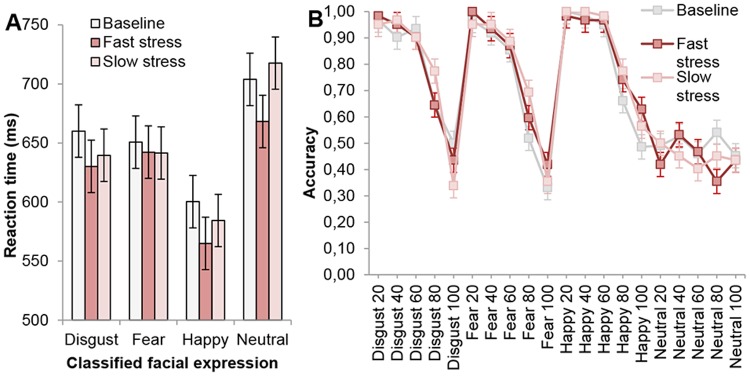
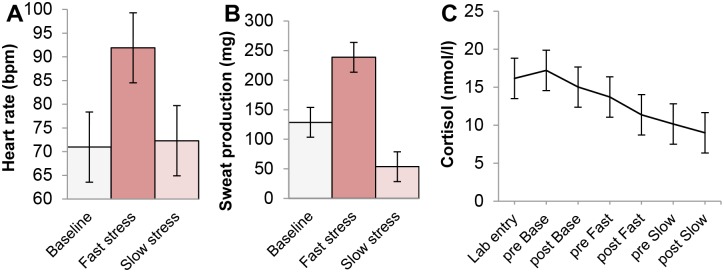
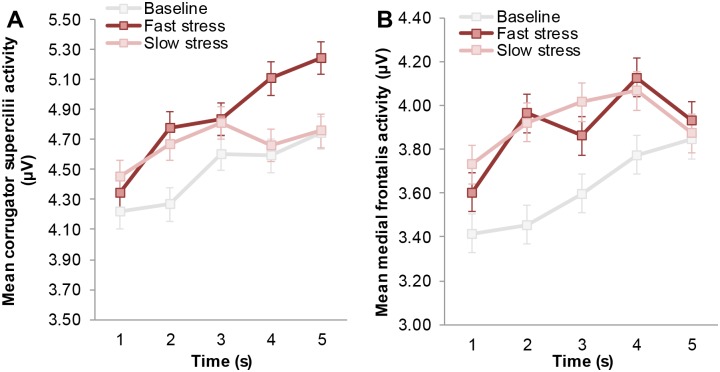
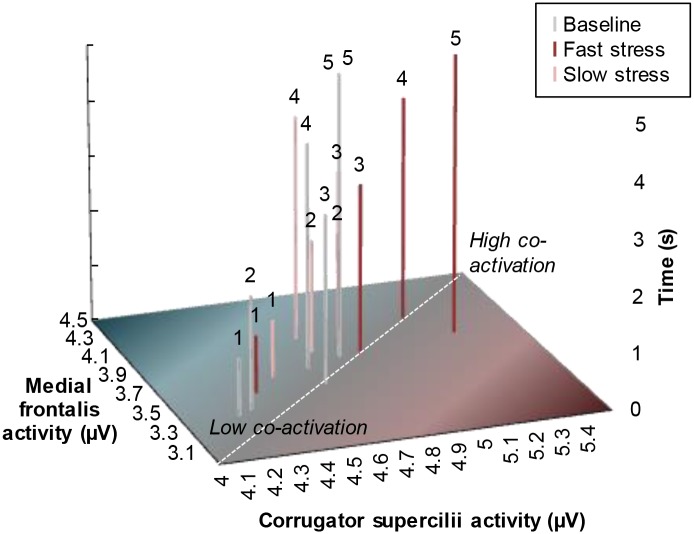
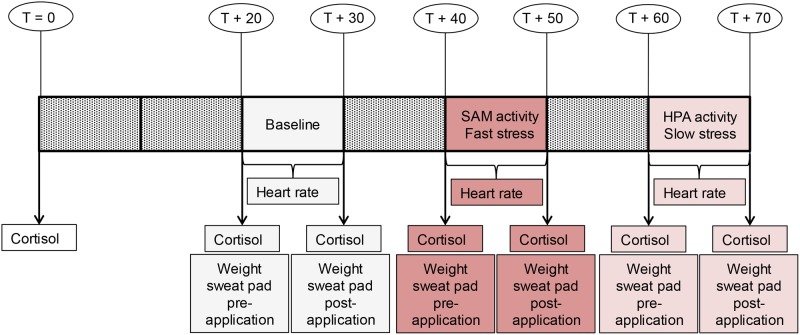
Humans can register another person's fear not only with their eyes and ears, but also with their nose. Previous research has demonstrated that exposure to body odors from fearful individuals elicited implicit fear in others. The odor of fearful individuals appears to have a distinctive signature that can be produced relatively rapidly, driven by a physiological mechanism that has remained unexplored in earlier research. The apocrine sweat glands in the armpit that are responsible for chemosignal production contain receptors for adrenalin. We therefore expected that the release of adrenalin through activation of the rapid stress response system (i.e., the sympathetic-adrenal medullary system) is what drives the release of fear sweat, as opposed to activation of the slower stress response system (i.e., hypothalamus-pituitary-adrenal axis). To test this assumption, sweat was sampled while eight participants prepared for a speech. Participants had higher heart rates and produced more armpit sweat in the fast stress condition, compared to baseline and the slow stress condition. Importantly, exposure to sweat from participants in the fast stress condition induced in receivers (N = 31) a simulacrum of the state of the sender, evidenced by the emergence of a fearful facial expression (facial electromyography) and vigilant behavior (i.e., faster classification of emotional facial expressions).

摘要

人类不仅可以通过眼睛和耳朵感知他人的恐惧,还能通过鼻子察觉到。先前的研究表明,接触恐惧个体的体味会引发他人的隐性恐惧。恐惧个体的气味似乎有一种独特的特征,这种特征能相对快速地产生,由一种在早期研究中尚未被探索的生理机制驱动。腋窝处负责产生化学信号的顶泌汗腺含有肾上腺素受体。因此,我们推测通过激活快速应激反应系统(即交感 - 肾上腺髓质系统)释放肾上腺素,才是促使恐惧汗液分泌的原因,而非激活较慢的应激反应系统(即下丘脑 - 垂体 - 肾上腺轴)。为了验证这一假设,在八名参与者准备演讲时采集了他们的汗液样本。与基线和慢应激状态相比,在快速应激状态下参与者的心率更高,腋窝出汗更多。重要的是,接收者(N = 31)接触快速应激状态下参与者的汗液后,会出现类似发送者状态的表现,如恐惧的面部表情(面部肌电图)和警觉行为(即更快地对情绪化面部表情进行分类)得以证明。
https://cdn.ncbi.nlm.nih.gov/pmc/blobs/5437/4344325/2cde9ff149da/pone.0118211.g006.jpg
https://cdn.ncbi.nlm.nih.gov/pmc/blobs/5437/4344325/d4173599308d/pone.0118211.g001.jpg
https://cdn.ncbi.nlm.nih.gov/pmc/blobs/5437/4344325/4b8ddfda5b11/pone.0118211.g002.jpg
https://cdn.ncbi.nlm.nih.gov/pmc/blobs/5437/4344325/336068a8a2e1/pone.0118211.g003.jpg
https://cdn.ncbi.nlm.nih.gov/pmc/blobs/5437/4344325/853f2bb77a3b/pone.0118211.g004.jpg
https://cdn.ncbi.nlm.nih.gov/pmc/blobs/5437/4344325/a840ad7fb60d/pone.0118211.g005.jpg
https://cdn.ncbi.nlm.nih.gov/pmc/blobs/5437/4344325/2cde9ff149da/pone.0118211.g006.jpg
https://cdn.ncbi.nlm.nih.gov/pmc/blobs/5437/4344325/d4173599308d/pone.0118211.g001.jpg
https://cdn.ncbi.nlm.nih.gov/pmc/blobs/5437/4344325/4b8ddfda5b11/pone.0118211.g002.jpg
https://cdn.ncbi.nlm.nih.gov/pmc/blobs/5437/4344325/336068a8a2e1/pone.0118211.g003.jpg
https://cdn.ncbi.nlm.nih.gov/pmc/blobs/5437/4344325/853f2bb77a3b/pone.0118211.g004.jpg
https://cdn.ncbi.nlm.nih.gov/pmc/blobs/5437/4344325/a840ad7fb60d/pone.0118211.g005.jpg
https://cdn.ncbi.nlm.nih.gov/pmc/blobs/5437/4344325/2cde9ff149da/pone.0118211.g006.jpg

相似文献

1
Rapid stress system drives chemical transfer of fear from sender to receiver.快速应激系统驱动恐惧从发送者到接收者的化学传递。
PLoS One. 2015 Feb 27;10(2):e0118211. doi: 10.1371/journal.pone.0118211. eCollection 2015.
2
Encoding fear intensity in human sweat.编码人类汗液中的恐惧强度。
Philos Trans R Soc Lond B Biol Sci. 2020 Jun 8;375(1800):20190271. doi: 10.1098/rstb.2019.0271. Epub 2020 Apr 20.
3
Chemical communication of fear: A case of male-female asymmetry.恐惧的化学通讯:一种男女不对称的情况。
J Exp Psychol Gen. 2014 Aug;143(4):1515-25. doi: 10.1037/a0035950. Epub 2014 Mar 3.
4
The lasting smell of emotions: The effects of reutilizing fear sweat samples.情绪的持久气味:重复利用恐惧汗液样本的影响。
Behav Res Methods. 2020 Dec;52(6):2438-2451. doi: 10.3758/s13428-020-01412-5.
5
The Effect of Exposure to Fear-Related Body Odorants on Anxiety and Interpersonal Trust Toward a Virtual Character.恐惧相关体味暴露对人际信任和焦虑的影响。
Chem Senses. 2019 Oct 26;44(9):683-692. doi: 10.1093/chemse/bjz063.
6
Interspecies transmission of emotional information via chemosignals: from humans to dogs (Canis lupus familiaris).通过化学信号进行的跨物种情绪信息传递:从人类到狗(家犬)。
Anim Cogn. 2018 Jan;21(1):67-78. doi: 10.1007/s10071-017-1139-x. Epub 2017 Oct 7.
7
Beyond the west: Chemosignaling of emotions transcends ethno-cultural boundaries.超越西方:情绪的化学信号超越了种族文化的界限。
Psychoneuroendocrinology. 2018 Dec;98:177-185. doi: 10.1016/j.psyneuen.2018.08.005. Epub 2018 Aug 7.
8
Altered olfactory processing of stress-related body odors and artificial odors in patients with panic disorder.惊恐障碍患者对与应激相关的体臭和人工气味的嗅觉加工改变。
PLoS One. 2013 Sep 24;8(9):e74655. doi: 10.1371/journal.pone.0074655. eCollection 2013.
9
5α-Androst-16-en-3α-ol β-D-glucuronide, precursor of 5α-androst-16-en-3α-ol in human sweat.5α-雄烷-16-烯-3α-醇-β-D-葡糖苷酸,人汗中 5α-雄烷-16-烯-3α-醇的前体。
Chem Biodivers. 2013 Dec;10(12):2197-208. doi: 10.1002/cbdv.201300286.
10
Innervation and receptor profiles of the human apocrine (epitrichial) sweat gland: routes for intervention in bromhidrosis.人类顶泌(上皮)汗腺的神经支配和受体概况:腋臭的干预途径
Br J Dermatol. 2008 Sep;159(3):653-60. doi: 10.1111/j.1365-2133.2008.08740.x. Epub 2008 Jul 15.

引用本文的文献

1
A quasi-randomised pilot study on the efficacy and perceived usefulness of adding chemosignals to mindfulness practice for women with social anxiety.一项关于在正念练习中添加化学信号对社交焦虑女性的疗效及感知有用性的半随机试点研究。
Sci Rep. 2025 Sep 12;15(1):32459. doi: 10.1038/s41598-025-18246-w.
2
Enhanced sensitivity to odors due to chemosignals associated with anxiety.由于与焦虑相关的化学信号而增强的气味敏感性。
Commun Chem. 2025 Apr 29;8(1):129. doi: 10.1038/s42004-025-01512-3.
3
Olfactory bulb astrocytes link social transmission of stress to cognitive adaptation in male mice.

本文引用的文献

1
Thermoregulatory vs. event sweating--comparison of clinical methodologies, physiology and results.体温调节性出汗与事件性出汗——临床方法学、生理学和结果的比较。
Int J Cosmet Sci. 2014 Feb;36(1):102-8. doi: 10.1111/ics.12103. Epub 2013 Nov 27.
2
Compound facial expressions of emotion.复合情绪表情。
Proc Natl Acad Sci U S A. 2014 Apr 15;111(15):E1454-62. doi: 10.1073/pnas.1322355111. Epub 2014 Mar 31.
3
Humans can discriminate more than 1 trillion olfactory stimuli.人类可以辨别超过 1 万亿种嗅觉刺激。
嗅球星形胶质细胞将应激的社会传递与雄性小鼠的认知适应联系起来。
Nat Commun. 2024 Aug 18;15(1):7103. doi: 10.1038/s41467-024-51416-4.
4
Emotional expression in human odour.人类气味中的情感表达。
Evol Hum Sci. 2022 Oct 10;4:e44. doi: 10.1017/ehs.2022.44. eCollection 2022.
5
How priming with body odors affects decision speeds in consumer behavior.体臭预刺激如何影响消费者行为的决策速度。
Sci Rep. 2023 Jan 12;13(1):609. doi: 10.1038/s41598-023-27643-y.
6
Academic stress detection on university students during COVID-19 outbreak by using an electronic nose and the galvanic skin response.在新冠疫情期间利用电子鼻和皮肤电反应对大学生进行学业压力检测
Biomed Signal Process Control. 2021 Jul;68:102756. doi: 10.1016/j.bspc.2021.102756. Epub 2021 May 11.
7
Olfaction in the Multisensory Processing of Faces: A Narrative Review of the Influence of Human Body Odors.面部多感官加工中的嗅觉:关于人体气味影响的叙述性综述
Front Psychol. 2021 Oct 5;12:750944. doi: 10.3389/fpsyg.2021.750944. eCollection 2021.
8
Identification of Suitable Biomarkers for Stress and Emotion Detection for Future Personal Affective Wearable Sensors.未来个人情感可穿戴传感器的压力和情绪检测的合适生物标志物的识别。
Biosensors (Basel). 2020 Apr 16;10(4):40. doi: 10.3390/bios10040040.
9
Encoding fear intensity in human sweat.编码人类汗液中的恐惧强度。
Philos Trans R Soc Lond B Biol Sci. 2020 Jun 8;375(1800):20190271. doi: 10.1098/rstb.2019.0271. Epub 2020 Apr 20.
10
The scent of emotions: A systematic review of human intra- and interspecific chemical communication of emotions.情绪的气味:人类情绪的种内和种间化学通讯的系统评价。
Brain Behav. 2020 May;10(5):e01585. doi: 10.1002/brb3.1585. Epub 2020 Mar 25.
Science. 2014 Mar 21;343(6177):1370-2. doi: 10.1126/science.1249168.
4
Chemical communication of fear: A case of male-female asymmetry.恐惧的化学通讯:一种男女不对称的情况。
J Exp Psychol Gen. 2014 Aug;143(4):1515-25. doi: 10.1037/a0035950. Epub 2014 Mar 3.
5
The scent of disease: human body odor contains an early chemosensory cue of sickness.疾病的气味:人体气味中包含疾病的早期化学感官线索。
Psychol Sci. 2014 Mar;25(3):817-23. doi: 10.1177/0956797613515681. Epub 2014 Jan 22.
6
An investigation of human apocrine gland secretion for axillary odor precursors.研究人体顶泌汗腺分泌物中的腋窝气味前体物质。
J Chem Ecol. 1992 Jul;18(7):1039-55. doi: 10.1007/BF00980061.
7
Using confidence intervals in within-subject designs.在个体内设计中使用置信区间。
Psychon Bull Rev. 1994 Dec;1(4):476-90. doi: 10.3758/BF03210951.
8
Chemosignals of stress influence social judgments.压力的化学信号会影响社会判断。
PLoS One. 2013 Oct 9;8(10):e77144. doi: 10.1371/journal.pone.0077144. eCollection 2013.
9
Altered olfactory processing of stress-related body odors and artificial odors in patients with panic disorder.惊恐障碍患者对与应激相关的体臭和人工气味的嗅觉加工改变。
PLoS One. 2013 Sep 24;8(9):e74655. doi: 10.1371/journal.pone.0074655. eCollection 2013.
10
Efficient sweat reduction of three different antiperspirant application forms during stress-induced sweating.三种不同止汗剂剂型在应激性出汗时的止汗效率。
Int J Cosmet Sci. 2013 Dec;35(6):622-31. doi: 10.1111/ics.12086. Epub 2013 Sep 2.