Riou Julien, Lefèvre Thomas, Parizot Isabelle, Lhuissier Anne, Chauvin Pierre
Sorbonne Universités, UPMC Univ Paris 06, UMR_S 1136, Pierre Louis Institute of Epidemiology and Public Health, Department of social epidemiology, F-75013 Paris, France; INSERM, UMR_S 1136, Pierre Louis Institute of Epidemiology and Public Health, Department of social epidemiology, F-75013 Paris, France.
Sorbonne Universités, UPMC Univ Paris 06, UMR_S 1136, Pierre Louis Institute of Epidemiology and Public Health, Department of social epidemiology, F-75013 Paris, France; INSERM, UMR_S 1136, Pierre Louis Institute of Epidemiology and Public Health, Department of social epidemiology, F-75013 Paris, France; AP-HP, Hôpital Jean-Verdier, Department of Forensic Medicine, F-93140 Bondy, France.
PLoS One. 2015 Mar 3;10(3):e0119161. doi: 10.1371/journal.pone.0119161. eCollection 2015.
Meal times in France still represent an important moment in everyday life. The model of three rigorously synchronized meals is still followed by a majority of people, while meal frequencies have flattened in other European or North-American countries. We aimed to examine the "French model" of eating behavior by identifying and characterizing distinct meal patterns.
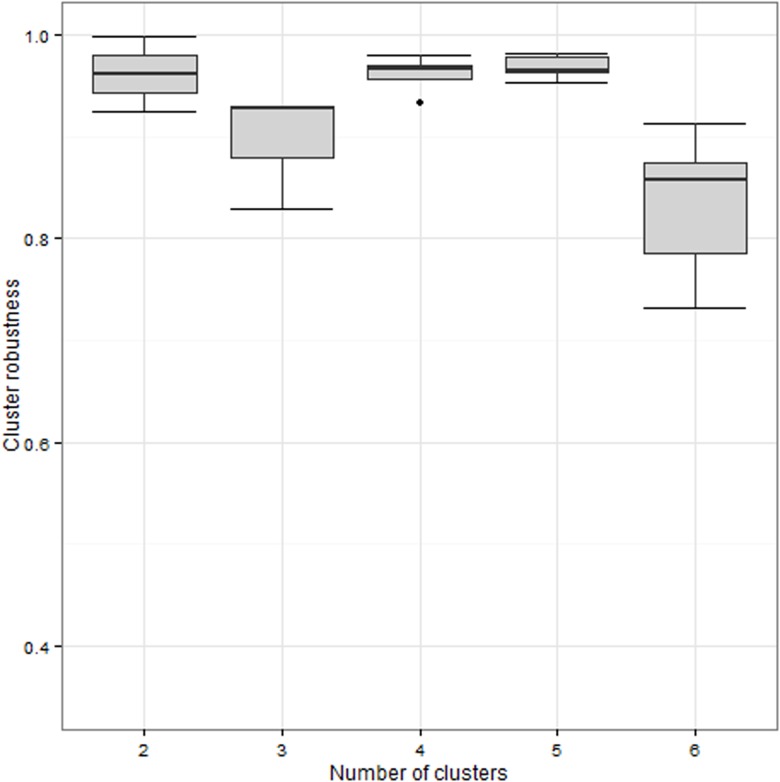
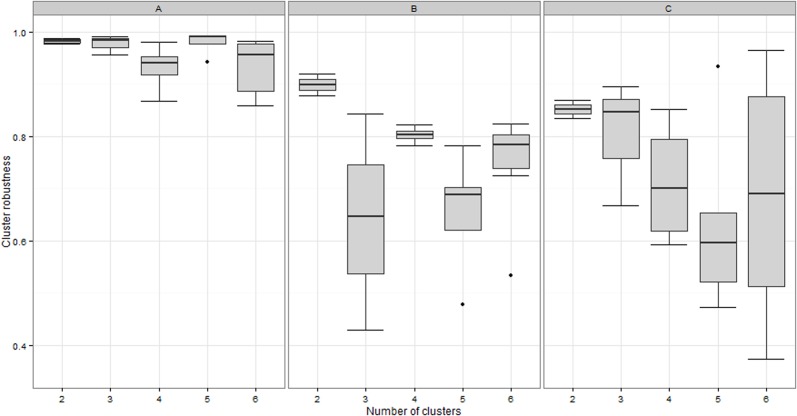
Analyses were based on data from the SIRS cohort, a representative survey of the adult population in the Paris area. A clustering algorithm was applied to meal variables (number, time, location, with whom the meal is usually shared and activities associated with meals). Regression models were used to investigate associations between patterns and socio-demographic, social environment and perceived food quality variables.
Five different patterns were identified among 2994 participants. The first three types (prevalence 33%, 17% and 24%) followed a three-meal pattern, with differences in locations and social interactions mainly related to time constraints and age. More marked differences were observed in the remaining two types. In the fourth type (prevalence 13%), individuals ate one or two meals per day, often with an irregular schedule, at home and in front of the television. They frequently were unemployed and had lower income. Breakfast skipping, increased snacking and a low adherence to dietary guidelines suggested that this behavior might have health consequences. In the fifth type (12%), people also ate two meals or less per day, possibly with the same consequences on food quality. However, meals were often taken outside the home, in social settings, and individuals following this pattern were typically active, integrated, young people, suggesting that this pattern might be an adaptation to a modern urban lifestyle.
While a majority of the population still follows the three-meal pattern, our analysis distinguished two other eating patterns associated with specific sociological profiles.
在法国,用餐时间在日常生活中仍然是一个重要时刻。大多数人仍然遵循严格同步的三餐模式,而在其他欧洲或北美国家,用餐频率已经趋于平稳。我们旨在通过识别和描述不同的用餐模式来研究饮食行为的“法国模式”。
分析基于SIRS队列的数据,这是一项对巴黎地区成年人口的代表性调查。将聚类算法应用于用餐变量(数量、时间、地点、通常与谁一起用餐以及与用餐相关的活动)。使用回归模型研究模式与社会人口统计学、社会环境和感知食物质量变量之间的关联。
在2994名参与者中识别出五种不同模式。前三种类型(患病率分别为33%、17%和24%)遵循三餐模式,地点和社交互动的差异主要与时间限制和年龄有关。在其余两种类型中观察到更明显的差异。在第四种类型(患病率13%)中,个体每天吃一顿或两顿饭,通常日程不规律,在家中且在电视前用餐。他们经常失业且收入较低。不吃早餐、零食摄入量增加以及对饮食指南的依从性低表明这种行为可能对健康有影响。在第五种类型(12%)中,人们每天也吃两顿饭或更少,可能对食物质量有同样的影响。然而,用餐通常在家庭以外的社交场合进行,遵循这种模式的个体通常是活跃、融入社会的年轻人,这表明这种模式可能是对现代城市生活方式的一种适应。
虽然大多数人仍然遵循三餐模式,但我们的分析区分出了另外两种与特定社会学特征相关的饮食模式。