Warnock April M, Hagen Scott C, Passeri Davina L
Communications, Radar and Sensing Group, SRI International, 2100 Commonwealth Boulevard, Ann Arbor, MI 48105 USA.
Department of Civil, Environmental, and Construction Engineering, University of Central Florida, 12800 Pegasus Blvd, Suite 211, Orlando, FL 32816-2450 USA.
Water Air Soil Pollut. 2015;226(3):68. doi: 10.1007/s11270-015-2298-5. Epub 2015 Feb 25.
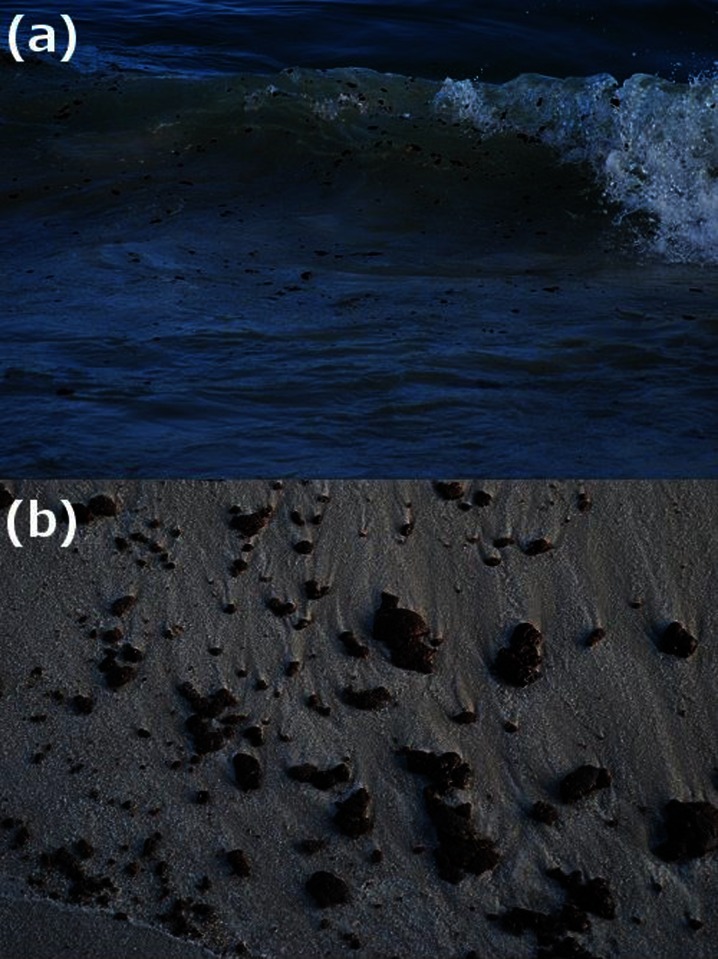
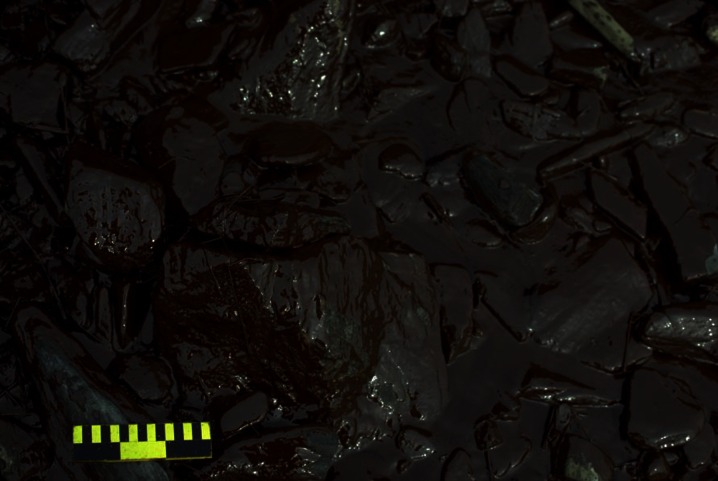
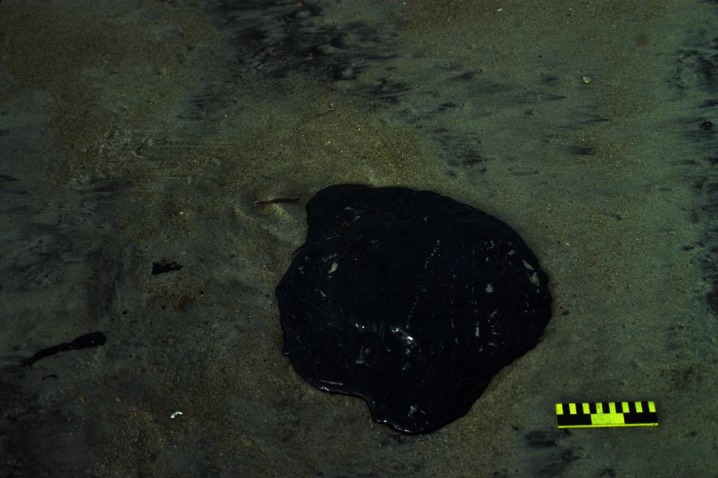
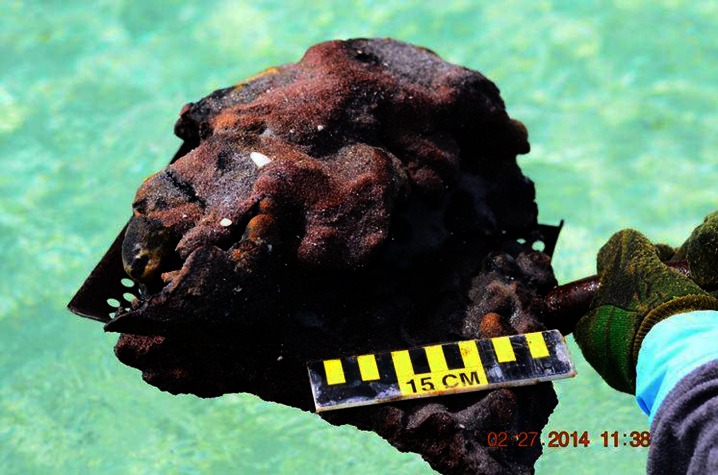
Marine tar residues originate from natural and anthropogenic oil releases into the ocean environment and are formed after liquid petroleum is transformed by weathering, sedimentation, and other processes. Tar balls, tar mats, and tar patties are common examples of marine tar residues and can range in size from millimeters in diameter (tar balls) to several meters in length and width (tar mats). These residues can remain in the ocean environment indefinitely, decomposing or becoming buried in the sea floor. However, in many cases, they are transported ashore via currents and waves where they pose a concern to coastal recreation activities, the seafood industry and may have negative effects on wildlife. This review summarizes the current state of knowledge on marine tar residue formation, transport, degradation, and distribution. Methods of detection and removal of marine tar residues and their possible ecological effects are discussed, in addition to topics of marine tar research that warrant further investigation. Emphasis is placed on benthic tar residues, with a focus on the remnants of the Deepwater Horizon oil spill in particular, which are still affecting the northern Gulf of Mexico shores years after the leaking submarine well was capped.
海洋焦油残留物源自天然和人为的石油泄漏到海洋环境中,是液态石油经过风化、沉积和其他过程转化后形成的。焦油球、焦油垫和焦油饼是海洋焦油残留物的常见例子,其大小范围从直径几毫米(焦油球)到长和宽达数米(焦油垫)。这些残留物可以在海洋环境中无限期留存,分解或被埋入海底。然而,在许多情况下,它们会通过洋流和海浪被冲到岸上,对沿海娱乐活动、海产品行业构成威胁,并且可能对野生动物产生负面影响。本综述总结了关于海洋焦油残留物形成、运输、降解和分布的现有知识状况。除了海洋焦油研究中有待进一步调查的主题外,还讨论了检测和清除海洋焦油残留物的方法及其可能的生态影响。重点放在底栖焦油残留物上,尤其关注深水地平线漏油事件的残留物,在泄漏的海底油井被封堵多年后,这些残留物仍在影响墨西哥湾北部海岸。