VanDongen Laboratory, Program in Neuroscience and Behavioral Disorders, Duke-NUS Graduate Medical School Singapore, Singapore.
Massachusetts General Hospital Boston, MA, USA ; Harvard Medical School Boston, MA, USA.
Front Integr Neurosci. 2015 Feb 23;9:14. doi: 10.3389/fnint.2015.00014. eCollection 2015.
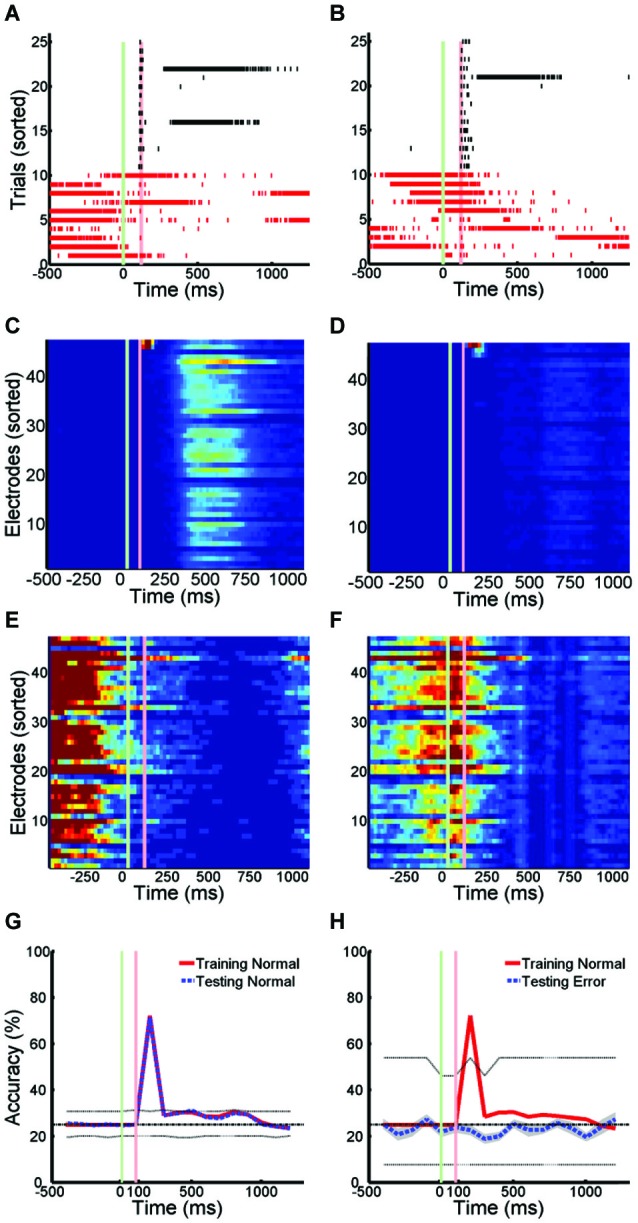
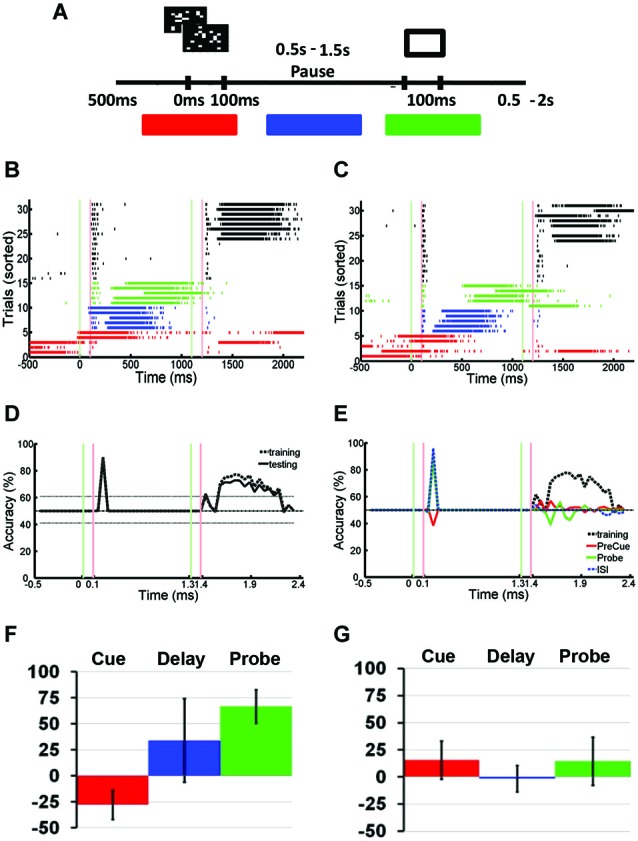
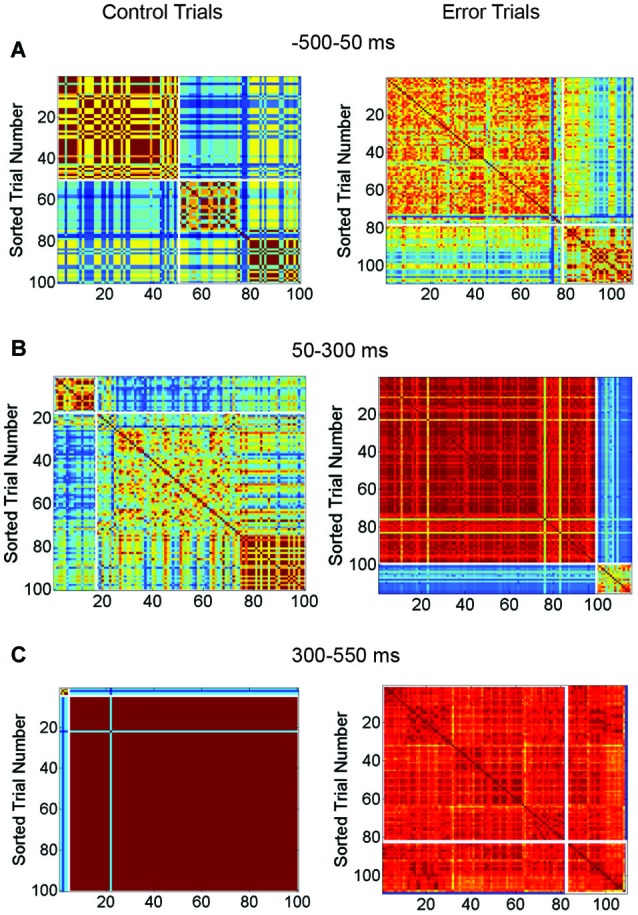
In both humans and animals brief synchronizing bursts of epileptiform activity known as interictal epileptiform discharges (IEDs) can, even in the absence of overt seizures, cause transient cognitive impairments (TCI) that include problems with perception or short-term memory. While no evidence from single units is available, it has been assumed that IEDs destroy information represented in neuronal networks. Cultured neuronal networks are a model for generic cortical microcircuits, and their spontaneous activity is characterized by the presence of synchronized network bursts (SNBs), which share a number of properties with IEDs, including the high degree of synchronization and their spontaneous occurrence in the absence of an external stimulus. As a model approach to understanding the processes underlying IEDs, optogenetic stimulation and multielectrode array (MEA) recordings of cultured neuronal networks were used to study whether stimulus information represented in these networks survives SNBs. When such networks are optically stimulated they encode and maintain stimulus information for as long as one second. Experiments involved recording the network response to a single stimulus and trials where two different stimuli were presented sequentially, akin to a paired pulse trial. We broke the sequential stimulus trials into encoding, delay and readout phases and found that regardless of which phase the SNB occurs, stimulus-specific information was impaired. SNBs were observed to increase the mean network firing rate, but this did not translate monotonically into increases in network entropy. It was found that the more excitable a network, the more stereotyped its response was during a network burst. These measurements speak to whether SNBs are capable of transmitting information in addition to blocking it. These results are consistent with previous reports and provide baseline predictions concerning the neural mechanisms by which IEDs might cause TCI.
在人类和动物中,短暂的癫痫样活动同步爆发,即癫痫样放电(IEDs),即使没有明显的癫痫发作,也会导致短暂的认知障碍(TCI),包括感知或短期记忆问题。虽然没有来自单个单元的证据,但人们一直假设 IEDs 会破坏神经元网络中表示的信息。培养的神经元网络是皮质微电路的通用模型,其自发活动的特征是同步网络爆发(SNB)的存在,SNB 与 IED 具有许多共同特性,包括高度同步性以及在没有外部刺激的情况下自发发生。作为理解 IED 背后过程的模型方法,使用光遗传学刺激和多电极阵列(MEA)记录培养的神经元网络来研究这些网络中表示的刺激信息是否在 SNB 中存活。当这些网络被光学刺激时,它们会对刺激信息进行编码和保持长达一秒钟。实验涉及记录网络对单个刺激的响应,以及连续呈现两个不同刺激的试验,类似于成对脉冲试验。我们将顺序刺激试验分为编码、延迟和读出阶段,发现无论 SNB 发生在哪一阶段,刺激特异性信息都会受到损害。观察到 SNB 会增加网络的平均放电率,但这并没有单调地转化为网络熵的增加。发现网络越兴奋,在网络爆发期间其反应越刻板。这些测量结果表明 SNB 是否能够传递信息,而不仅仅是阻止信息。这些结果与之前的报告一致,并为 IED 可能导致 TCI 的神经机制提供了基线预测。