Li Jinhuan, Shou Jia, Guo Ya, Tang Yuanxiao, Wu Yonghu, Jia Zhilian, Zhai Yanan, Chen Zhifeng, Xu Quan, Wu Qiang
Key Laboratory of Systems Biomedicine (Ministry of Education), Center for Comparative Biomedicine, Institute of Systems Biomedicine, Shanghai Jiao Tong University, Shanghai 200240, China State Key Laboratory of Oncogenes and Related Genes, Shanghai Cancer Institute, Renji Hospital, School of Medicine, Shanghai Jiao Tong University, Shanghai 200240, China Key Laboratory for the Genetics of Developmental and Neuropsychiatric Disorders, Ministry of Education, Bio-X Center, School of Life Sciences and Biotechnology, Shanghai Jiao Tong University, Shanghai 200240, China Collaborative Innovation Center of Systems Biomedicine, Shanghai Jiao Tong University School of Medicine, Shanghai 200240, China.
Key Laboratory of Systems Biomedicine (Ministry of Education), Center for Comparative Biomedicine, Institute of Systems Biomedicine, Shanghai Jiao Tong University, Shanghai 200240, China State Key Laboratory of Oncogenes and Related Genes, Shanghai Cancer Institute, Renji Hospital, School of Medicine, Shanghai Jiao Tong University, Shanghai 200240, China Key Laboratory for the Genetics of Developmental and Neuropsychiatric Disorders, Ministry of Education, Bio-X Center, School of Life Sciences and Biotechnology, Shanghai Jiao Tong University, Shanghai 200240, China Collaborative Innovation Center of Systems Biomedicine, Shanghai Jiao Tong University School of Medicine, Shanghai 200240, China
J Mol Cell Biol. 2015 Aug;7(4):284-98. doi: 10.1093/jmcb/mjv016. Epub 2015 Mar 10.
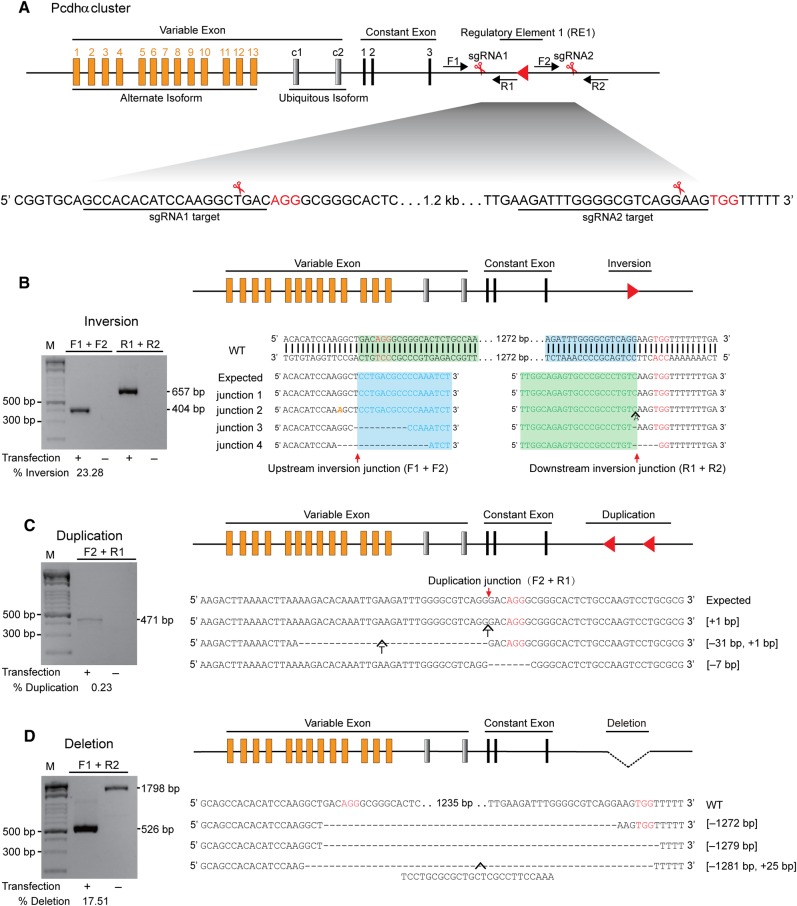
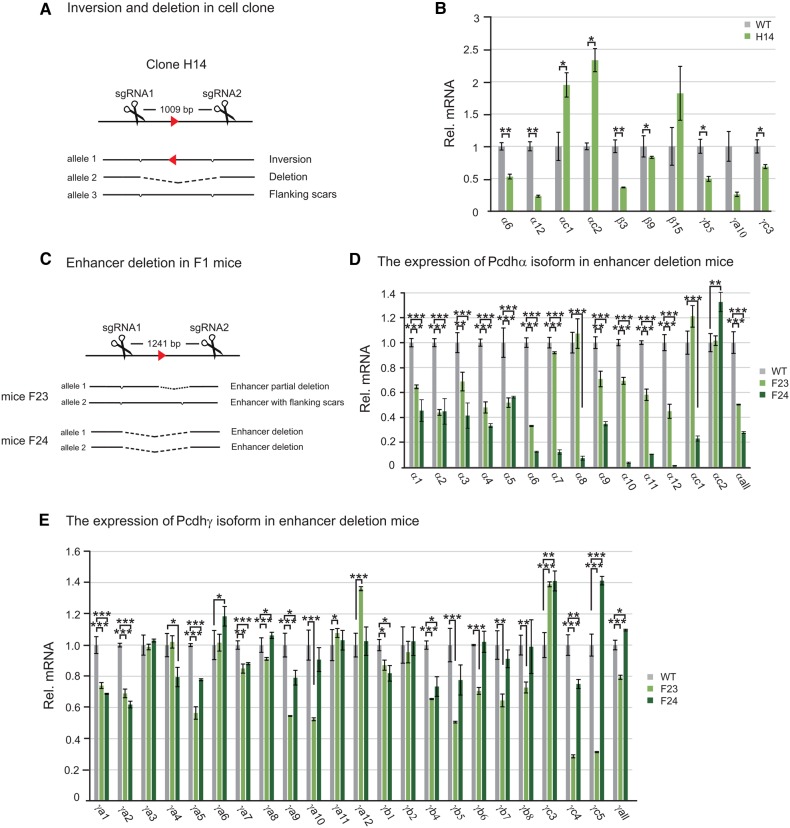
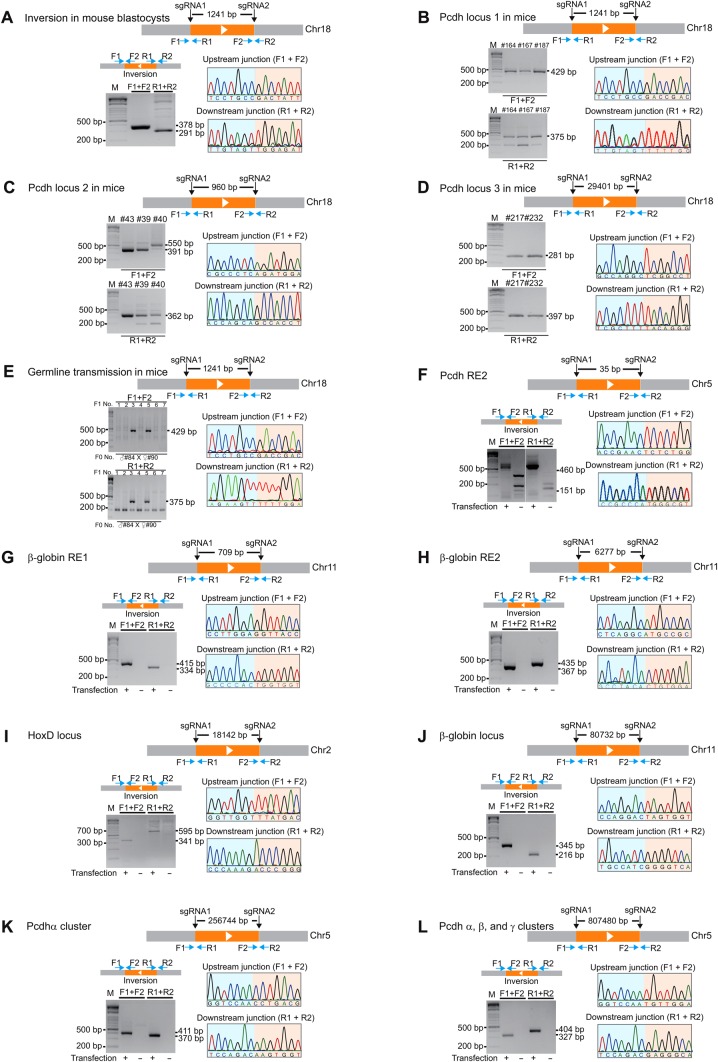
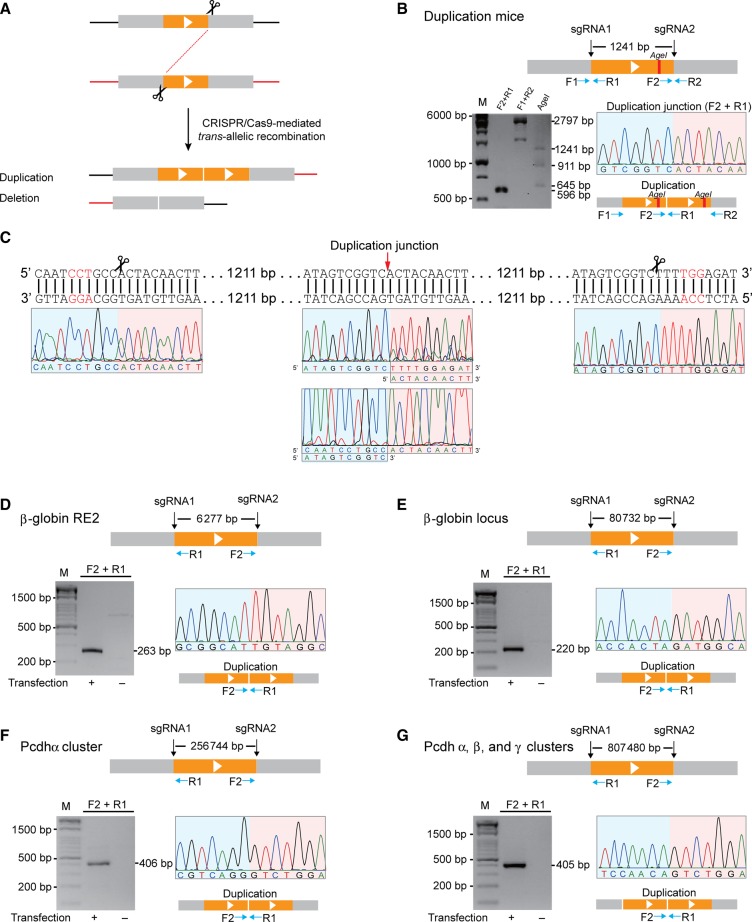
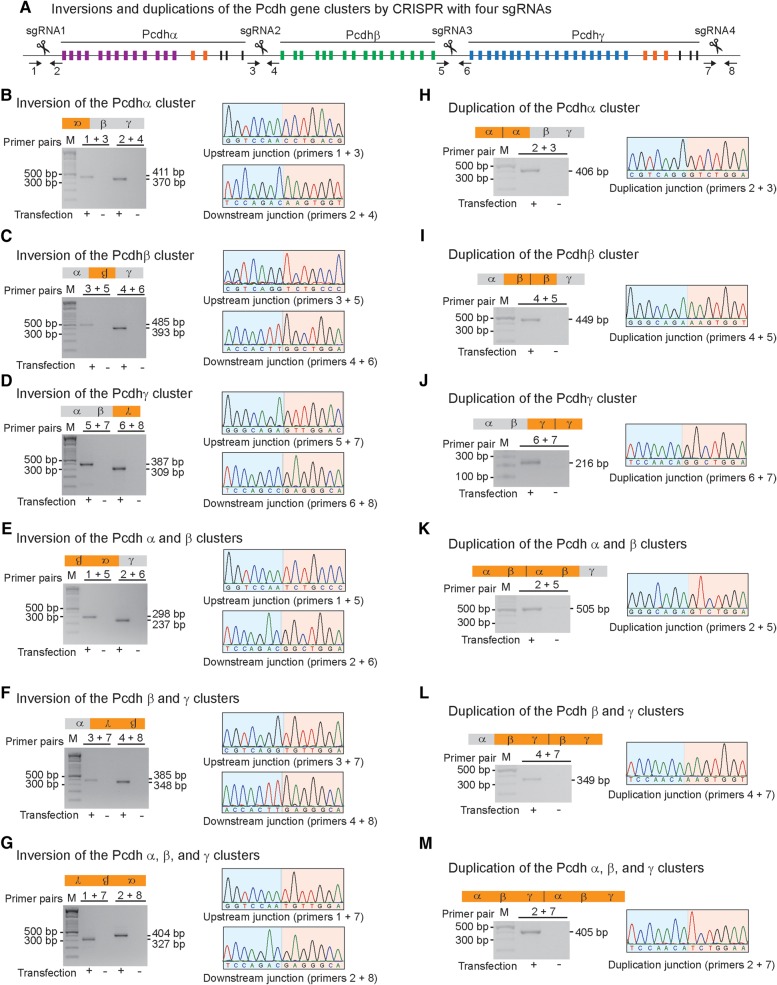
The human genome contains millions of DNA regulatory elements and a large number of gene clusters, most of which have not been tested experimentally. The clustered regularly interspaced short palindromic repeats (CRISPR)/CRISPR-associated nuclease 9 (Cas9) programed with a synthetic single-guide RNA (sgRNA) emerges as a method for genome editing in virtually any organisms. Here we report that targeted DNA fragment inversions and duplications could easily be achieved in human and mouse genomes by CRISPR with two sgRNAs. Specifically, we found that, in cultured human cells and mice, efficient precise inversions of DNA fragments ranging in size from a few tens of bp to hundreds of kb could be generated. In addition, DNA fragment duplications and deletions could also be generated by CRISPR through trans-allelic recombination between the Cas9-induced double-strand breaks (DSBs) on two homologous chromosomes (chromatids). Moreover, junctions of combinatorial inversions and duplications of the protocadherin (Pcdh) gene clusters induced by Cas9 with four sgRNAs could be detected. In mice, we obtained founders with alleles of precise inversions, duplications, and deletions of DNA fragments of variable sizes by CRISPR. Interestingly, we found that very efficient inversions were mediated by microhomology-mediated end joining (MMEJ) through short inverted repeats. We showed for the first time that DNA fragment inversions could be transmitted through germlines in mice. Finally, we applied this CRISPR method to a regulatory element of the Pcdhα cluster and found a new role in the regulation of members of the Pcdhγ cluster. This simple and efficient method should be useful in manipulating mammalian genomes to study millions of regulatory DNA elements as well as vast numbers of gene clusters.
人类基因组包含数百万个DNA调控元件和大量基因簇,其中大部分尚未经过实验验证。通过合成单导向RNA(sgRNA)编程的成簇规律间隔短回文重复序列(CRISPR)/CRISPR相关核酸酶9(Cas9)成为一种几乎可用于任何生物体基因组编辑的方法。在此我们报告,利用两个sgRNA的CRISPR可在人类和小鼠基因组中轻松实现靶向DNA片段的倒位和重复。具体而言,我们发现,在培养的人类细胞和小鼠中,可产生大小从几十bp到数百kb不等的DNA片段的高效精确倒位。此外,CRISPR还可通过两条同源染色体(染色单体)上Cas9诱导的双链断裂(DSB)之间的反式等位基因重组产生DNA片段重复和缺失。而且,可检测到由Cas9与四个sgRNA诱导的原钙黏蛋白(Pcdh)基因簇的组合倒位和重复的连接。在小鼠中,我们通过CRISPR获得了具有不同大小DNA片段精确倒位、重复和缺失等位基因的奠基动物。有趣的是,我们发现非常高效的倒位是由短反向重复序列通过微同源性介导的末端连接(MMEJ)介导的。我们首次证明DNA片段倒位可在小鼠生殖系中传递。最后,我们将这种CRISPR方法应用于Pcdhα簇的一个调控元件,发现其在Pcdhγ簇成员的调控中具有新作用。这种简单有效的方法在操纵哺乳动物基因组以研究数百万个调控DNA元件以及大量基因簇方面应会很有用。