Ano Yasuhisa, Kutsukake Toshiko, Hoshi Ayaka, Yoshida Aruto, Nakayama Hiroyuki
Central Laboratories for Key Technologies, Kirin Company Ltd, 1-13-5 Fukuura Kanazawa-ku, Yokohama-shi, Kanagawa, 236-0004, Japan.
Graduate School of Agricultural and Life Sciences, the University of Tokyo, 1-1-1 Yayoi, Bunkyo-ku, Tokyo, 113-8657, Japan.
PLoS One. 2015 Mar 11;10(3):e0116598. doi: 10.1371/journal.pone.0116598. eCollection 2015.
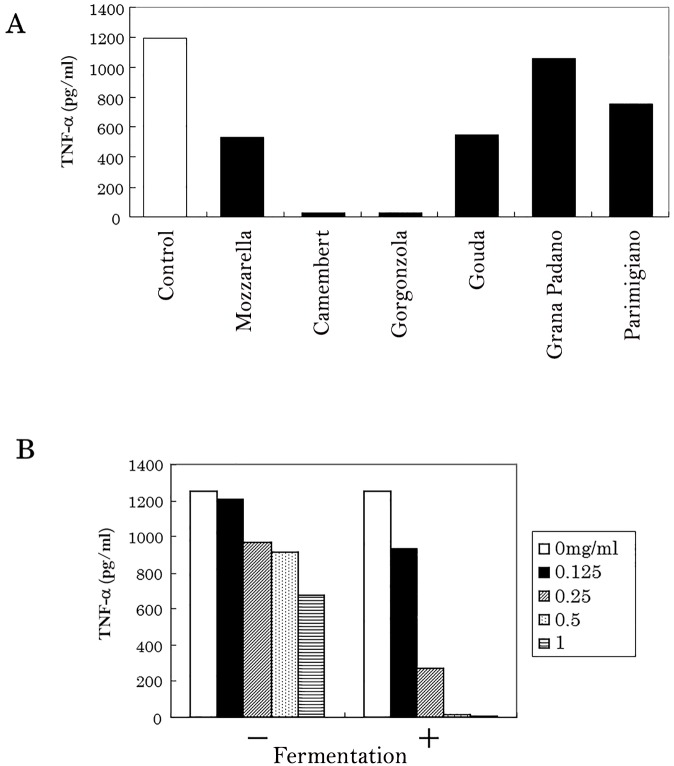
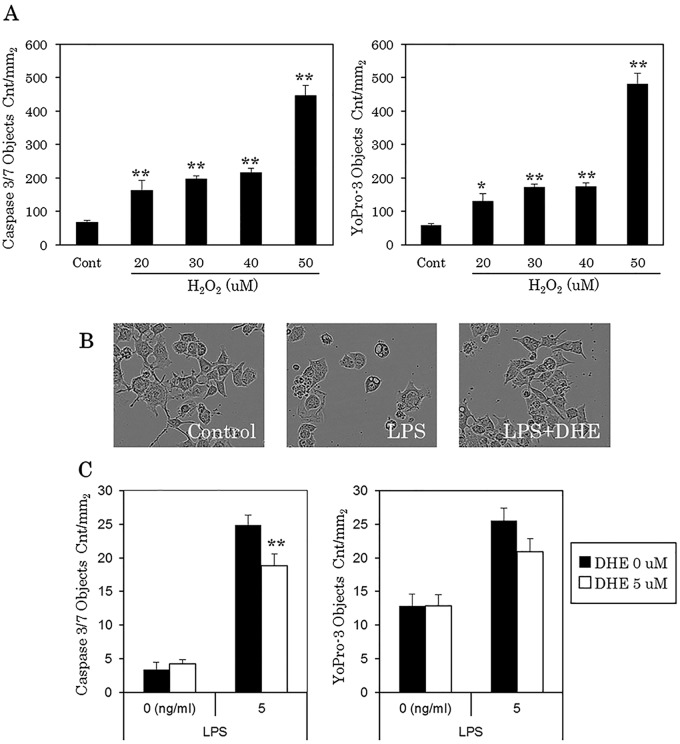
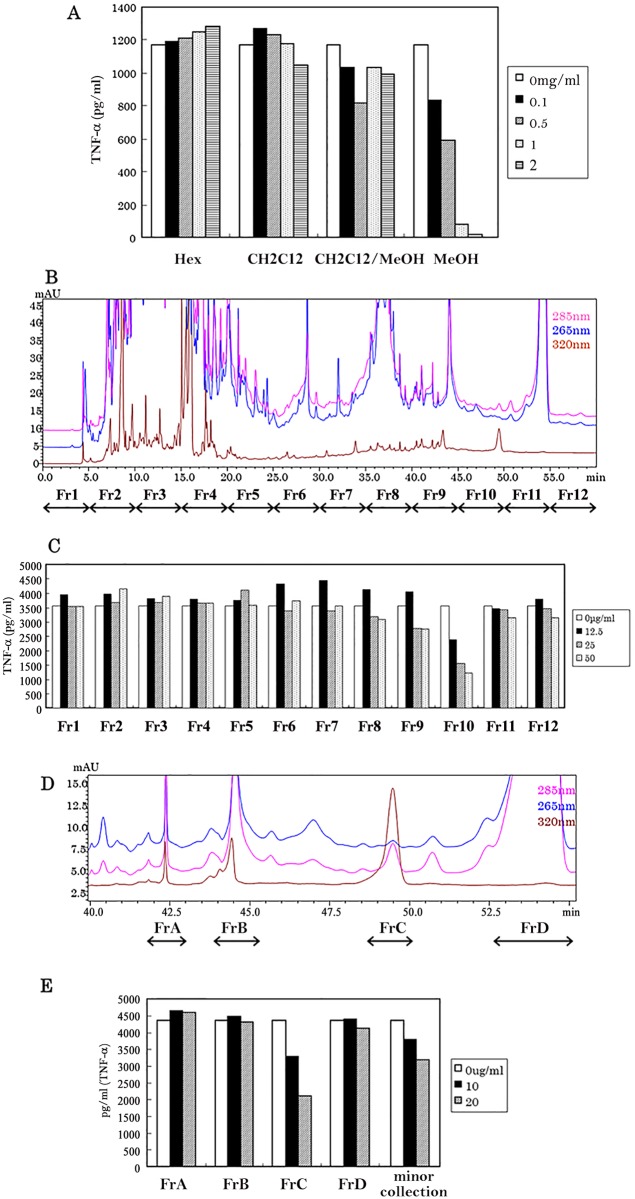
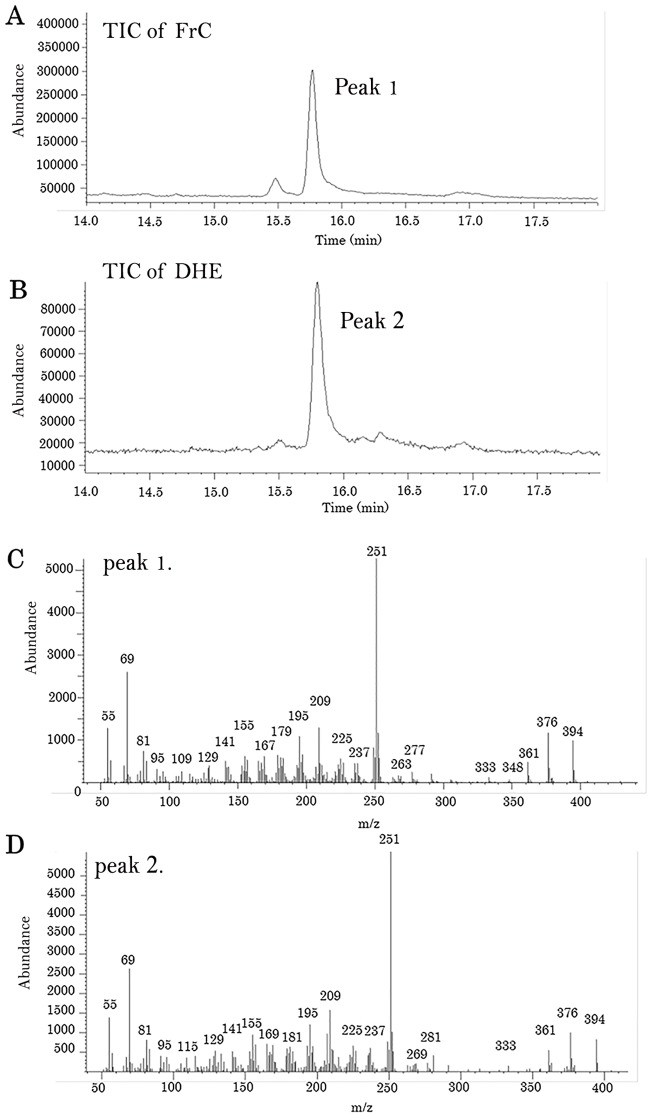
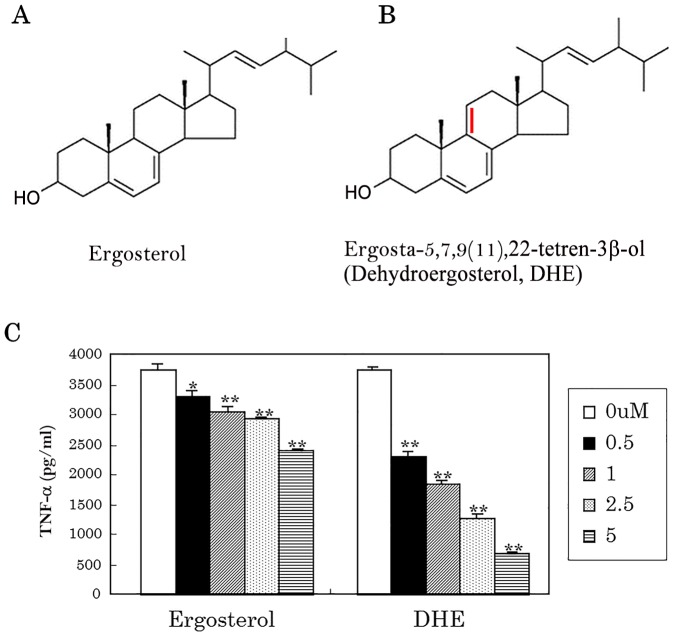
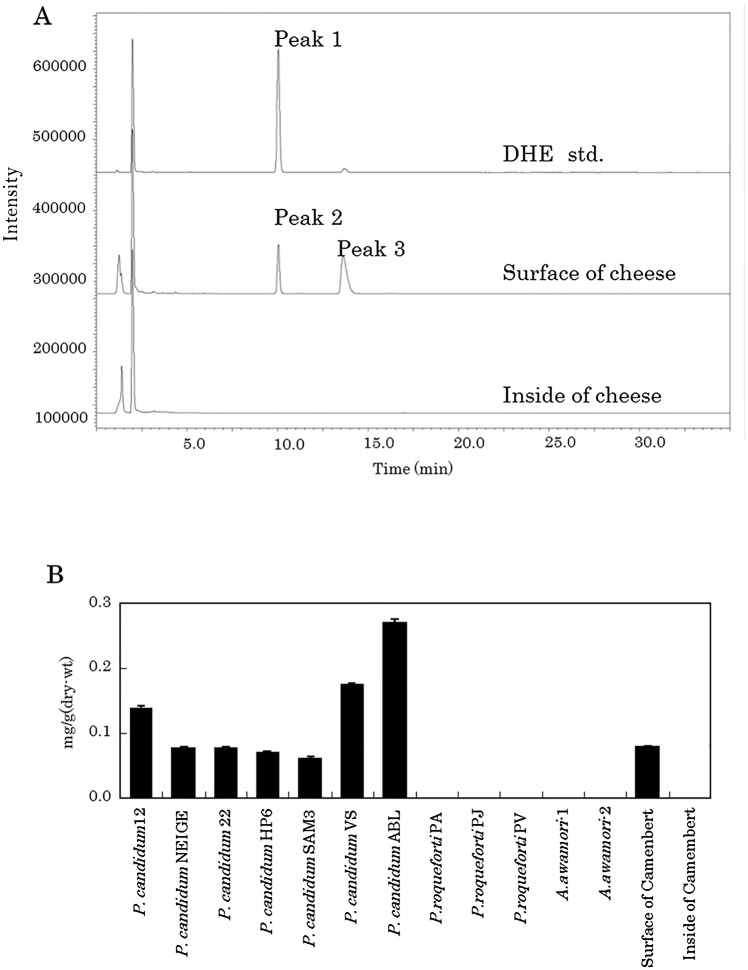
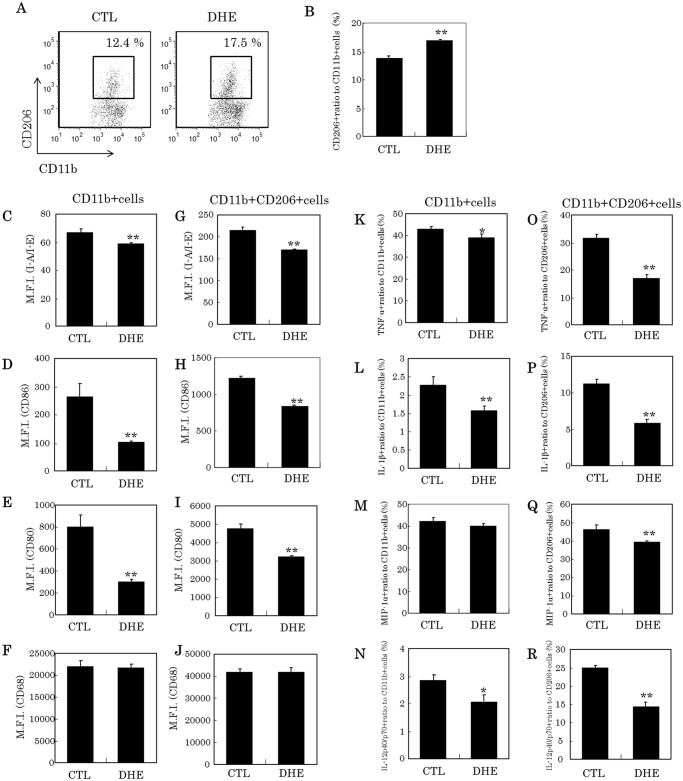
Despite the ever-increasing number of dementia patients worldwide, fundamental therapeutic approaches to treat this disease remain to be established. Preventive approaches such as diet, exercise and learning attract attention. Several epidemiological studies suggest that ingestion of fermented dairy products prevents cognitive decline in the elderly. These reports indicate that specific ingredients in the fermented dairy products elicit an anti-inflammatory or anti-oxidative activity that facilitates neuroprotection. The responsible components remain to be investigated. A number of studies have shown that inflammation caused by microglia is closely related to exaggeration of the pathology and cognitive decline seen in the elderly. Many researchers have proposed that controlling microglial activities could be effective in preventing and possibly curing dementia. In the present study, to elucidate specific compounds that regulate microglial activity from dairy products, repeated purification by HPLC, combined with evaluation using primary microglia, facilitated the identification of dehydroergosterol (DHE) as a novel component of the extract that enhances microglial anti-inflammatory activity. DHE contains three conjugated double bonds in a steroid ring system and is an analogue of ergosterol. Despite their related chemical structures, the anti-inflammatory activity of DHE is markedly stronger than that of ergosterol. P. candidum for camembert cheese produces DHE, but P. Roqueforti for blue cheese and Aspergillus do not. DHE also induces CD11b-positive microglia cells into CD206-positive M2 type microglia. Neurotoxicity and neuronal cell death induced by excessively activated microglia is suppressed by treatment with DHE. Thus, this is the first report to demonstrate that DHE, identified as a responsible compound in dairy products, can induce microglia into a preferable phenotype for our brain environment and can be safely introduced into the body by consumption of dairy products. We believe the uptake of DHE might help to prevent the onset of dementia.
尽管全球痴呆症患者数量不断增加,但治疗这种疾病的基本方法仍有待确立。饮食、运动和学习等预防方法受到关注。多项流行病学研究表明,摄入发酵乳制品可预防老年人认知能力下降。这些报告表明,发酵乳制品中的特定成分具有抗炎或抗氧化活性,有助于神经保护。其负责的成分仍有待研究。许多研究表明,小胶质细胞引起的炎症与老年人病理变化的加剧和认知能力下降密切相关。许多研究人员提出,控制小胶质细胞的活动可能对预防甚至治愈痴呆症有效。在本研究中,为了从乳制品中阐明调节小胶质细胞活性的特定化合物,通过高效液相色谱法(HPLC)进行反复纯化,并结合原代小胶质细胞进行评估,从而鉴定出脱氢麦角固醇(DHE)是提取物中的一种新型成分,可增强小胶质细胞的抗炎活性。DHE在类固醇环系统中含有三个共轭双键,是麦角固醇的类似物。尽管它们的化学结构相关,但DHE的抗炎活性明显强于麦角固醇。卡门培尔奶酪的念珠菌可产生DHE,但蓝纹奶酪的罗克福特青霉和曲霉则不能。DHE还可诱导CD11b阳性小胶质细胞转变为CD206阳性的M2型小胶质细胞。用DHE处理可抑制过度激活的小胶质细胞诱导的神经毒性和神经元细胞死亡。因此,这是第一份证明DHE(被确定为乳制品中的一种关键化合物)可诱导小胶质细胞转变为对我们大脑环境更有利的表型,并且通过食用乳制品可安全引入体内的报告。我们相信,摄入DHE可能有助于预防痴呆症的发生。