Emeritus Professor of Department of Anatomy, Faculty of Medicine, Tokyo Medical and Dental University, Tokyo, Japan.
Proc Jpn Acad Ser B Phys Biol Sci. 2006 May;82(4):155-64. doi: 10.2183/pjab.82.155.
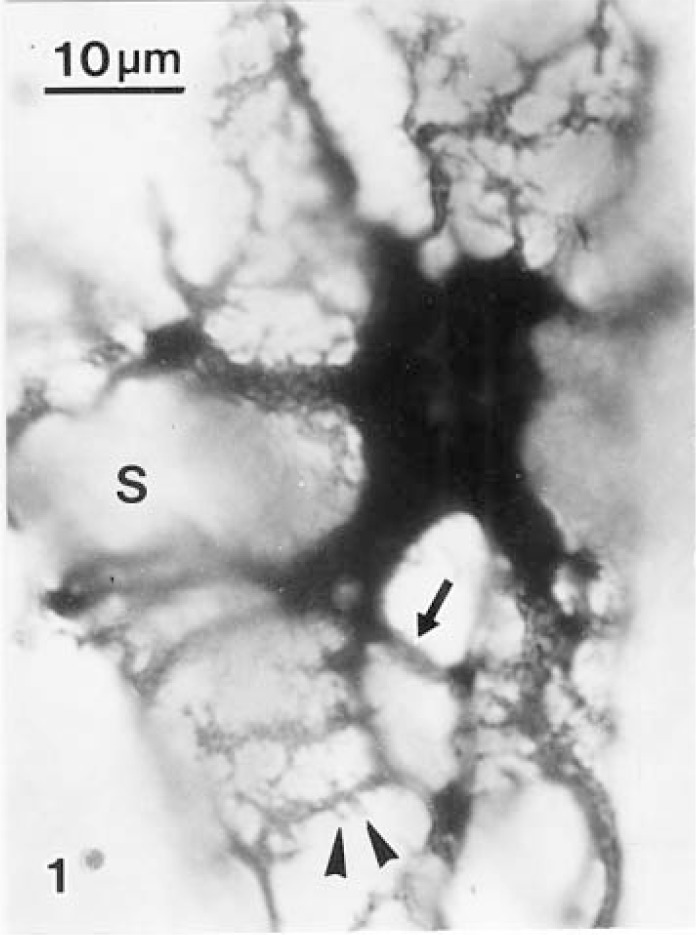
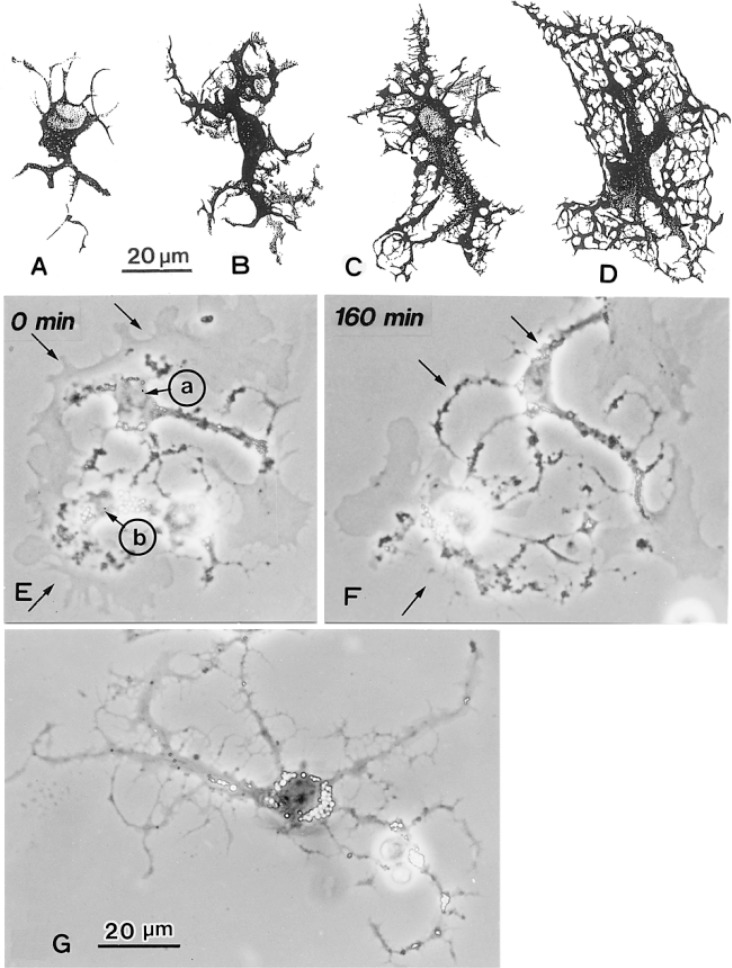
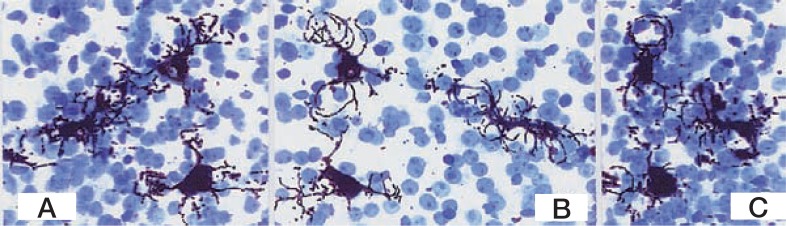
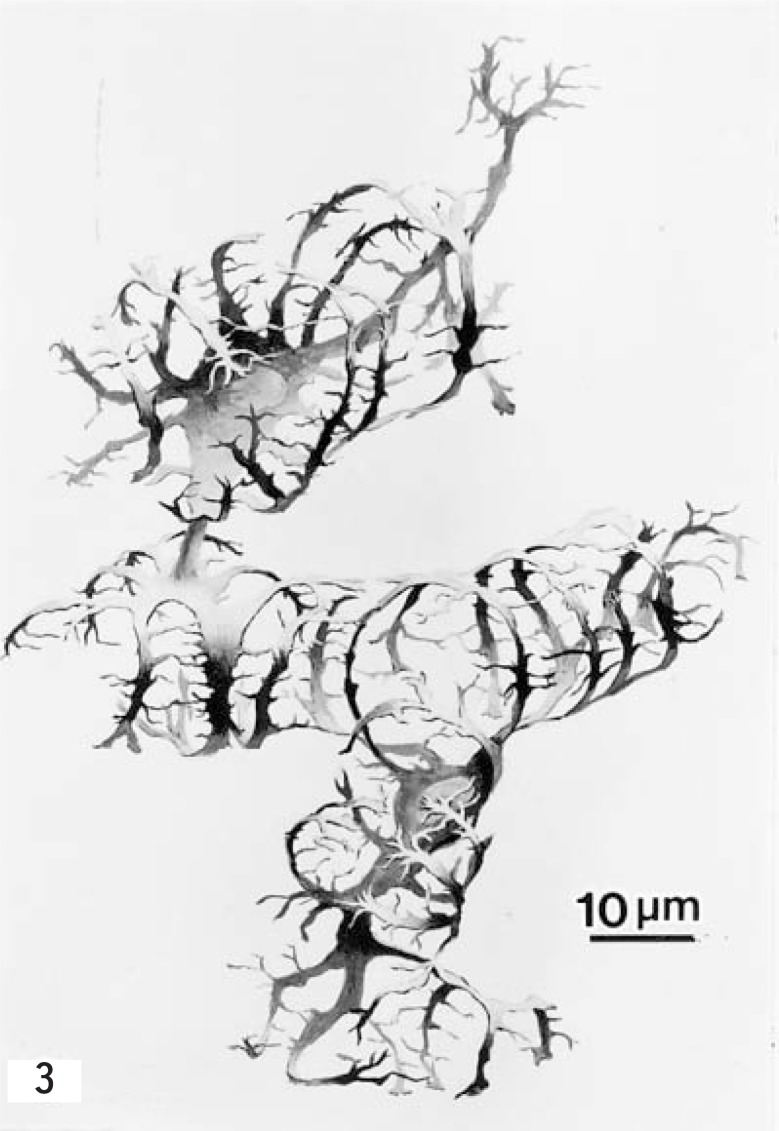
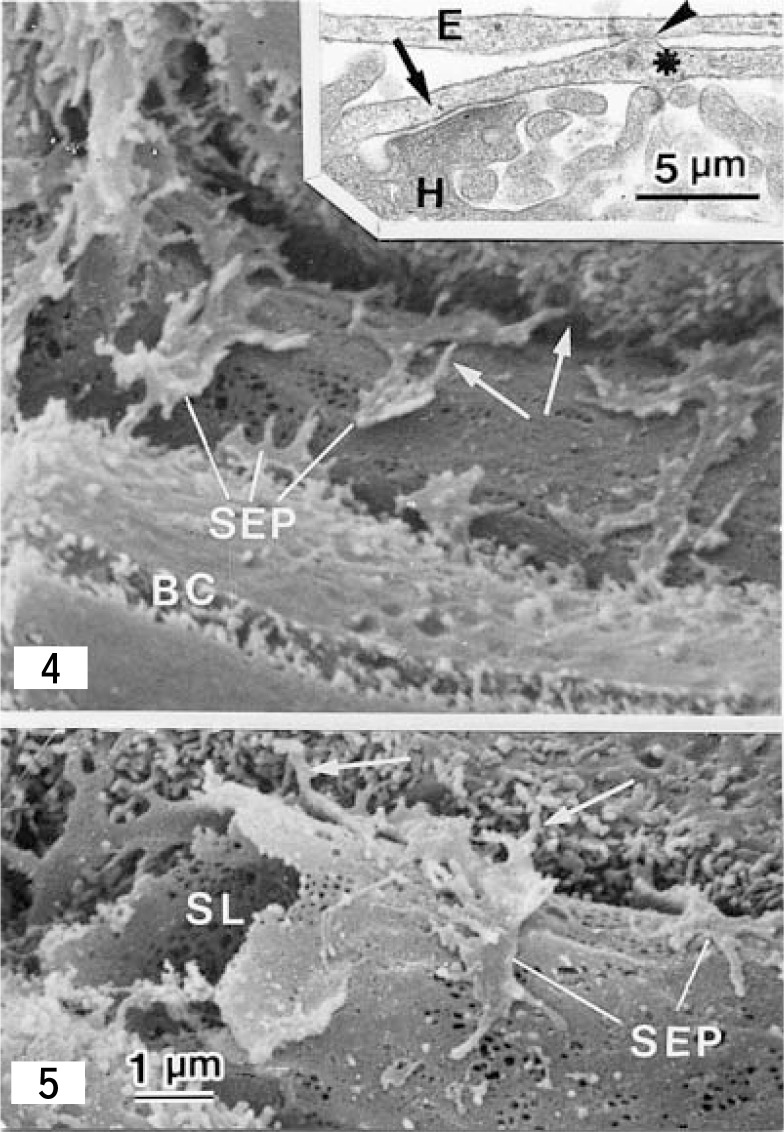
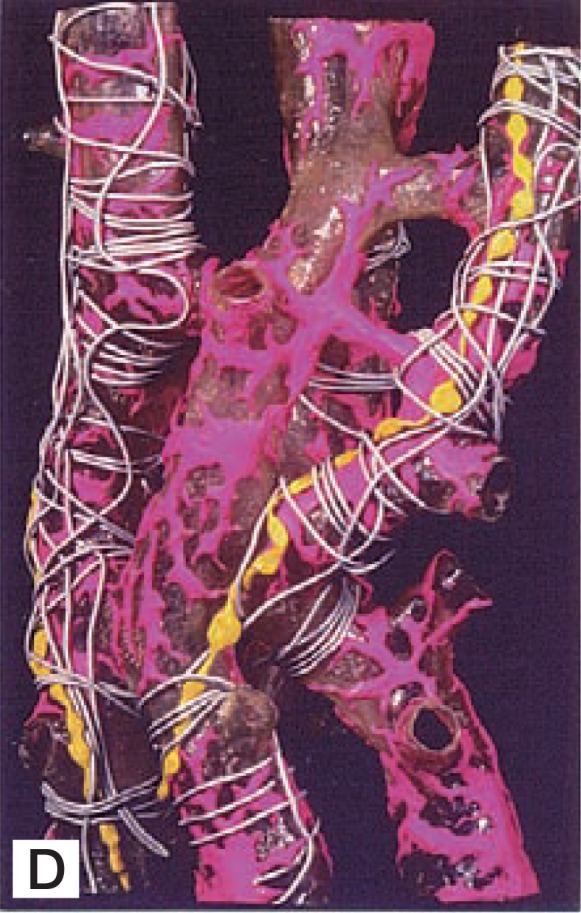
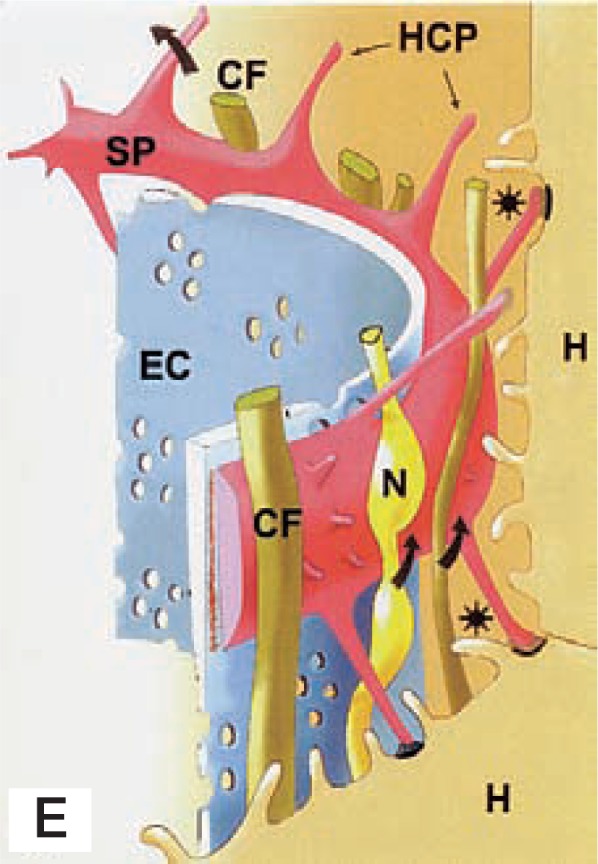
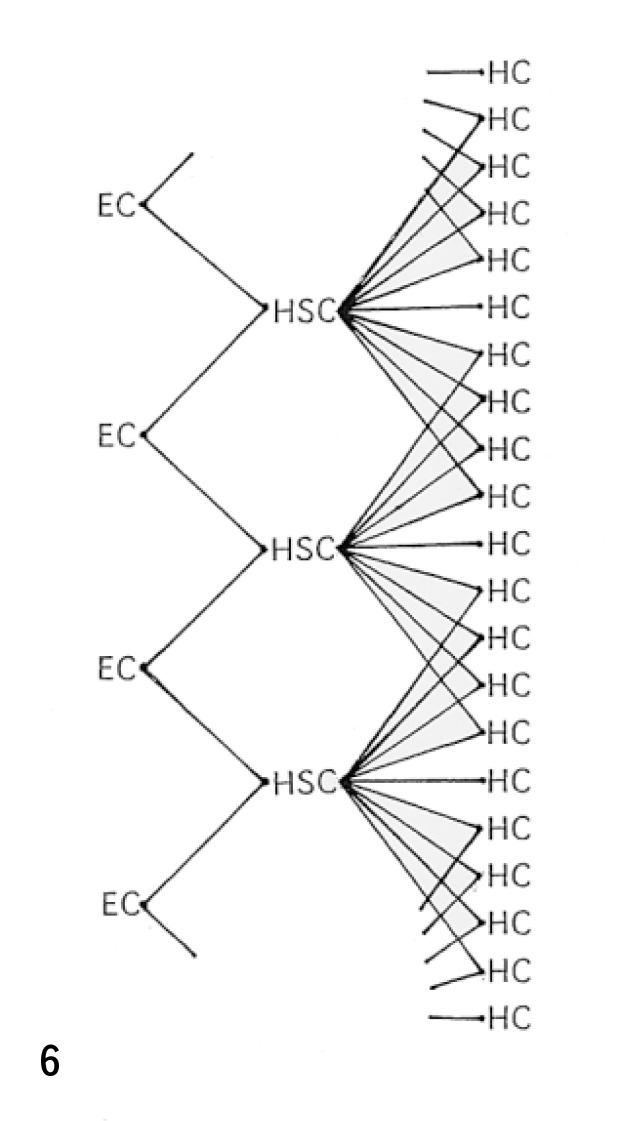
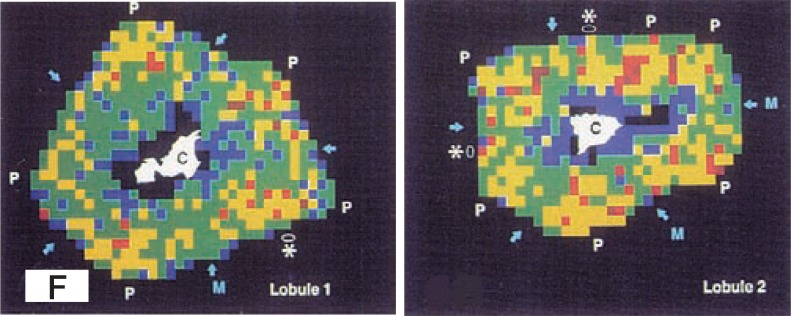
Hepatic stellate cells (HSCs) are vitamin-A storing collagen-producing cells in hepatic lobules. The three-dimensional structure of HSCs has been demonstrated with the Golgi method, the maceration method for scanning electron microscopy, and confocal laser scanning microscopy. Many thorn-like microprojections or spines extend from the subendothelial processes and make contacts with hepatocytes. One HSC entwines two or more sinusoids and about 20-40 hepatocytes to create a cellular unit, 'the stellate cell unit' or 'stellon'. The Space of Disse is defined as the space between stellate cell-endothelial cell complex and hepatocytes. Intralobular heterogeneity of HSCs is assessed. HSCs develop from mesenchymal cells in the septum transversum. The developmental process of HSCs is reproduced partly in culture. In the lamprey abundant vitamin A is stored not only in HSCs, but in the fibroblast-like cells in the various other splanchnic organs. In vertebrates, the existence of both conventional fibroblast system in somatic tissues and vitamin A-storing cell system in splanchnic organs is suggested.
肝星状细胞(HSCs)是肝小叶中储存维生素 A 的胶原产生细胞。HSCs 的三维结构已经通过高尔基方法、扫描电子显微镜的浸洗法和共聚焦激光扫描显微镜得到了证实。许多刺状微突或刺从内皮下过程中伸出,并与肝细胞接触。一个 HSC 缠绕两个或更多的窦状隙和大约 20-40 个肝细胞,形成一个细胞单位,“星状细胞单位”或“星状体”。Disse 间隙被定义为星状细胞-内皮细胞复合体和肝细胞之间的空间。评估 HSCs 的小叶内异质性。HSCs 来源于横隔 Transversum 中的间充质细胞。HSCs 的发育过程在部分培养中得到了再现。在七鳃鳗中,丰富的维生素 A 不仅储存在 HSCs 中,还储存在各种其他内脏器官的成纤维样细胞中。在脊椎动物中,提示存在体细胞组织中的传统成纤维细胞系统和内脏器官中的维生素 A 储存细胞系统。