Chan Wai Ting, Balsa Dolors, Espinosa Manuel
Centro de Investigaciones Biológicas, Consejo Superior de Investigaciones Científicas, Ramiro de Maeztu, 9, 28006-Madrid, Spain.
Immunology & Vaccines, Laboratorios LETI, Gran Via de les Corts Catalanes 184. 08034-Barcelona, Spain.
FEMS Microbiol Rev. 2015 Jul;39(4):522-40. doi: 10.1093/femsre/fuv002. Epub 2015 Mar 21.
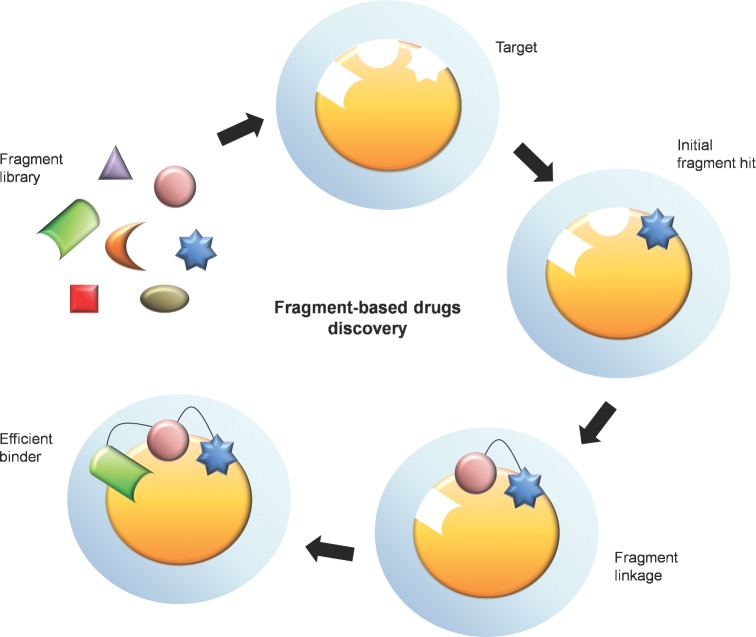
Type II (proteic) toxin-antitoxin (TA) operons are widely spread in bacteria and archaea. They are organized as operons in which, usually, the antitoxin gene precedes the cognate toxin gene. The antitoxin generally acts as a transcriptional self-repressor, whereas the toxin acts as a co-repressor, both proteins constituting a harmless complex. When bacteria encounter a stressful environment, TAs are triggered. The antitoxin protein is unstable and will be degraded by host proteases, releasing the free toxin to halt essential processes. The result is a cessation of cell growth or even death. Because of their ubiquity and the essential processes targeted, TAs have been proposed as good candidates for development of novel antimicrobials. We discuss here the possible druggability of TAs as antivirals and antibacterials, with focus on the potentials and the challenges that their use may find in the 'real' world. We present strategies to develop TAs as antibacterials in view of novel technologies, such as the use of very small molecules (fragments) as inhibitors of protein-protein interactions. Appropriate fragments could disrupt the T:A interfaces leading to the release of the targeted TA pair. Possible ways of delivery and formulation of Tas are also discussed.
II型(蛋白质类)毒素-抗毒素(TA)操纵子广泛存在于细菌和古细菌中。它们以操纵子的形式组织,通常抗毒素基因位于同源毒素基因之前。抗毒素一般作为转录自抑制因子发挥作用,而毒素作为共抑制因子,两种蛋白质构成无害复合物。当细菌遇到应激环境时,TA被激活。抗毒素蛋白不稳定,会被宿主蛋白酶降解,释放出游离毒素以阻断关键过程。结果是细胞生长停止甚至死亡。由于TA的普遍性以及它们所针对的关键过程,TA被认为是新型抗菌药物开发的良好候选对象。我们在此讨论TA作为抗病毒和抗菌药物的潜在可药用性,重点关注其在“现实”世界中应用可能面临的潜力和挑战。鉴于新技术,如使用非常小的分子(片段)作为蛋白质-蛋白质相互作用的抑制剂,我们提出了将TA开发为抗菌药物的策略。合适的片段可能会破坏T:A界面,导致靶向的TA对解离。我们还讨论了TA可能的递送和制剂方式。