Grice Stuart J, Liu Ji-Long, Webber Caleb
Medical Research Council Functional Genomics Unit, Department of Physiology, Anatomy and Genetics, University of Oxford, Oxford, United Kingdom.
PLoS Genet. 2015 Mar 27;11(3):e1004998. doi: 10.1371/journal.pgen.1004998. eCollection 2015 Mar.
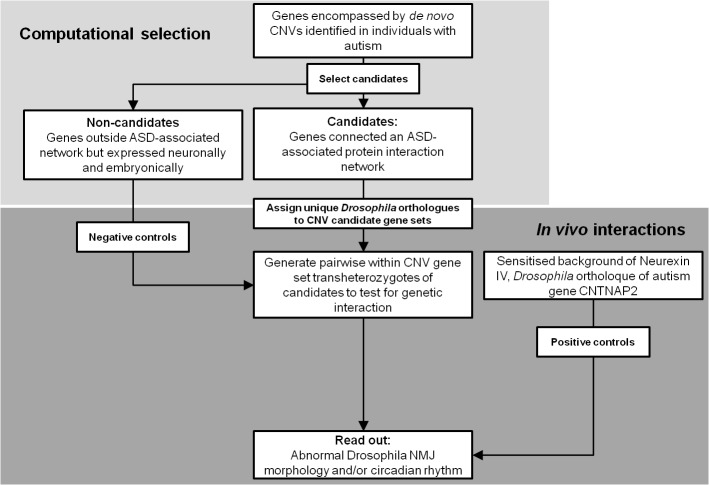
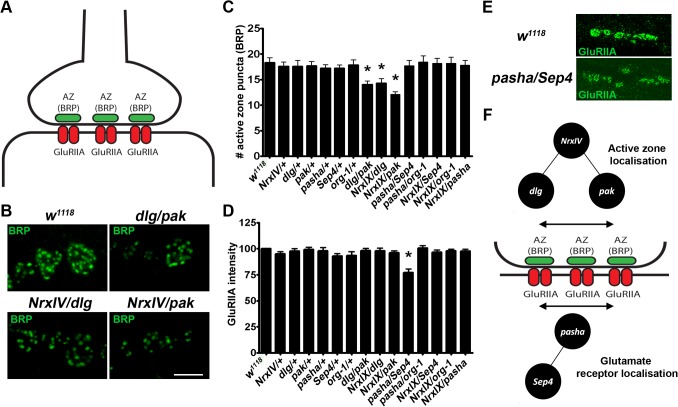
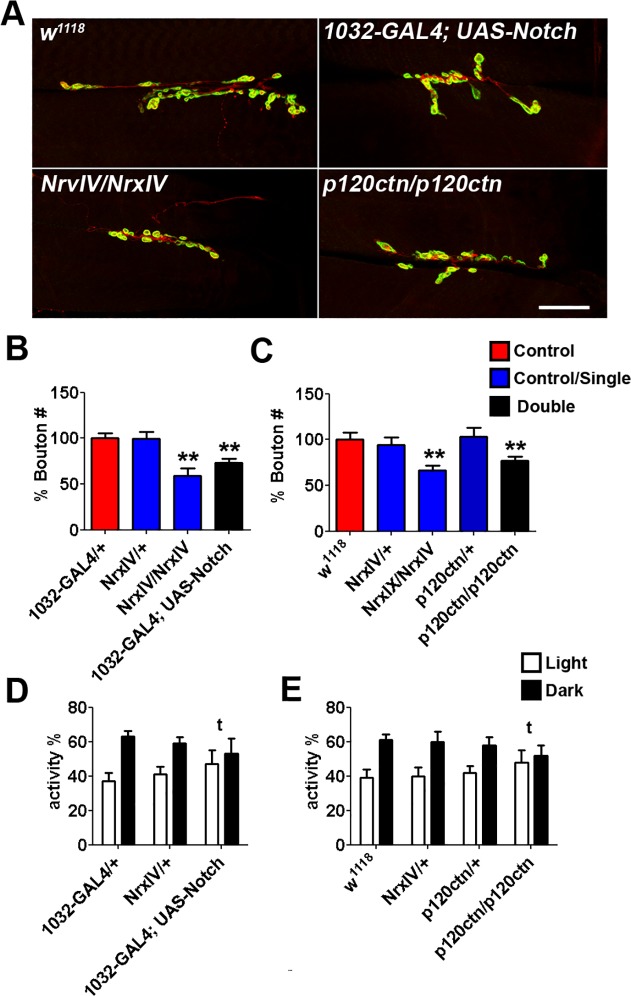
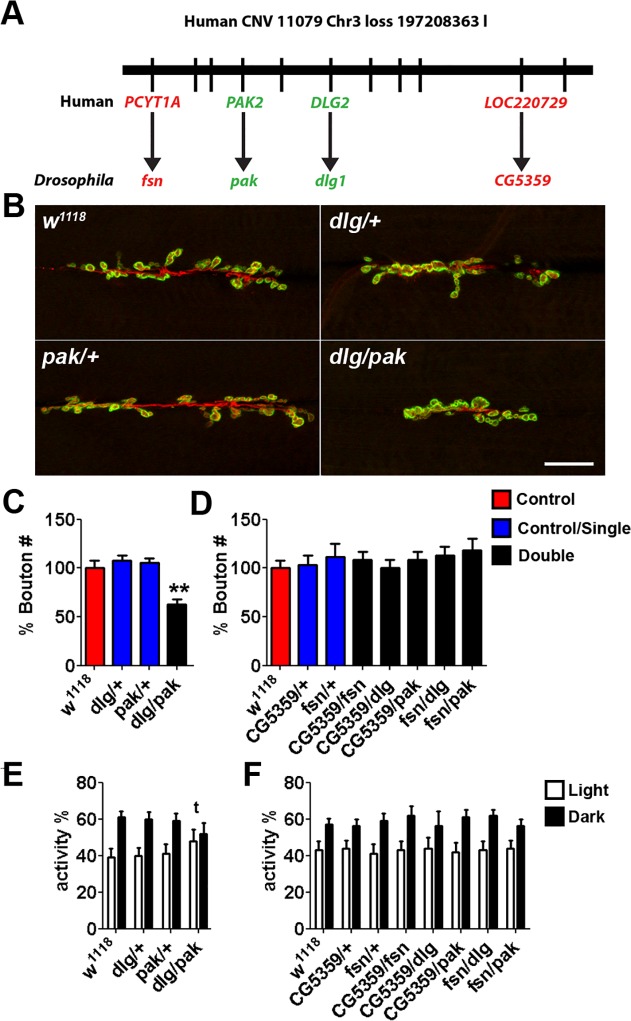
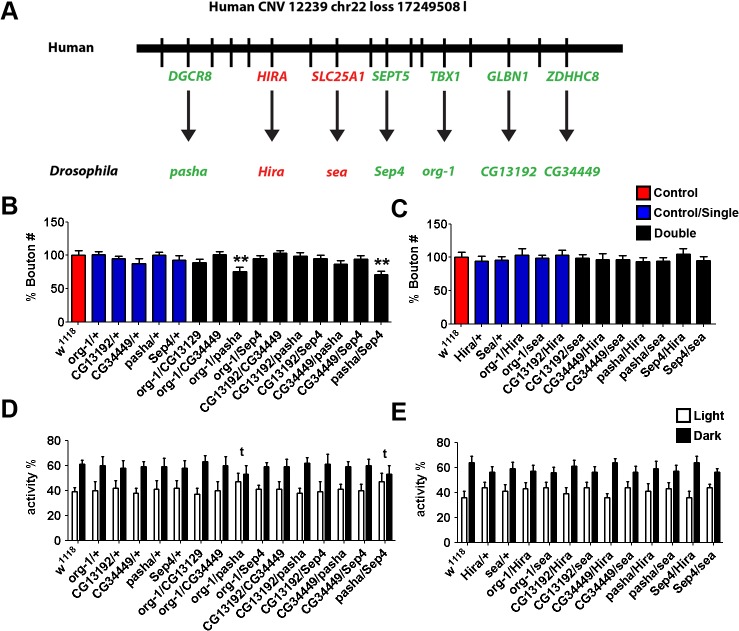
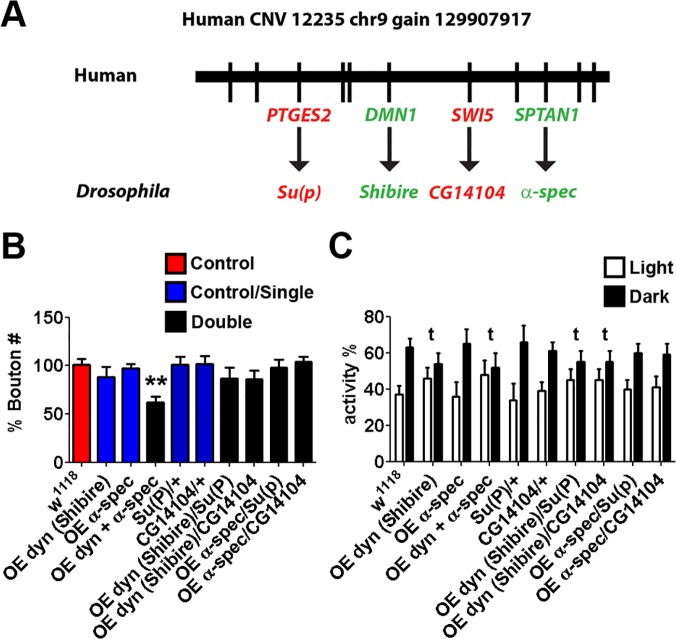
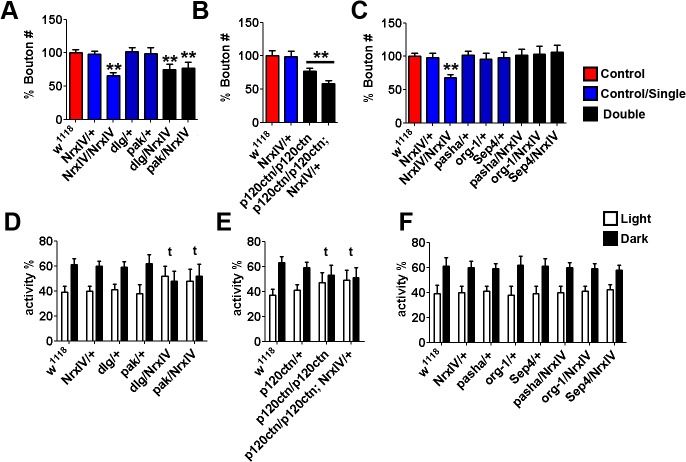
Autism spectrum disorders (ASDs) are highly heritable and characterised by deficits in social interaction and communication, as well as restricted and repetitive behaviours. Although a number of highly penetrant ASD gene variants have been identified, there is growing evidence to support a causal role for combinatorial effects arising from the contributions of multiple loci. By examining synaptic and circadian neurological phenotypes resulting from the dosage variants of unique human:fly orthologues in Drosophila, we observe numerous synergistic interactions between pairs of informatically-identified candidate genes whose orthologues are jointly affected by large de novo copy number variants (CNVs). These CNVs were found in the genomes of individuals with autism, including a patient carrying a 22q11.2 deletion. We first demonstrate that dosage alterations of the unique Drosophila orthologues of candidate genes from de novo CNVs that harbour only a single candidate gene display neurological defects similar to those previously reported in Drosophila models of ASD-associated variants. We then considered pairwise dosage changes within the set of orthologues of candidate genes that were affected by the same single human de novo CNV. For three of four CNVs with complete orthologous relationships, we observed significant synergistic effects following the simultaneous dosage change of gene pairs drawn from a single CNV. The phenotypic variation observed at the Drosophila synapse that results from these interacting genetic variants supports a concordant phenotypic outcome across all interacting gene pairs following the direction of human gene copy number change. We observe both specificity and transitivity between interactors, both within and between CNV candidate gene sets, supporting shared and distinct genetic aetiologies. We then show that different interactions affect divergent synaptic processes, demonstrating distinct molecular aetiologies. Our study illustrates mechanisms through which synergistic effects resulting from large structural variation can contribute to human disease.
自闭症谱系障碍(ASD)具有高度遗传性,其特征为社交互动和沟通缺陷,以及受限的重复行为。尽管已经鉴定出一些高外显率的ASD基因变异,但越来越多的证据支持多个基因座的贡献所产生的组合效应具有因果作用。通过检查果蝇中独特的人 - 果蝇直系同源基因剂量变异所导致的突触和昼夜节律神经表型,我们观察到信息学鉴定的候选基因对之间存在大量协同相互作用,其直系同源基因受到大型新生拷贝数变异(CNV)的共同影响。这些CNV在自闭症个体的基因组中被发现,包括一名携带22q11.2缺失的患者。我们首先证明,仅包含单个候选基因的新生CNV中候选基因的独特果蝇直系同源基因的剂量改变显示出与先前在ASD相关变异的果蝇模型中报道的神经缺陷相似。然后,我们考虑了受同一单个人类新生CNV影响的候选基因直系同源基因集合内的成对剂量变化。对于四个具有完全直系同源关系的CNV中的三个,我们观察到从单个CNV中提取的基因对同时进行剂量变化后产生了显著的协同效应。这些相互作用的遗传变异在果蝇突触处观察到的表型变异支持了随着人类基因拷贝数变化方向,所有相互作用基因对的一致表型结果。我们观察到CNV候选基因集内和之间的相互作用者之间的特异性和传递性,支持共享和不同的遗传病因。然后,我们表明不同的相互作用影响不同的突触过程,证明了不同的分子病因。我们的研究阐明了大型结构变异产生的协同效应可能导致人类疾病的机制。