Department of Biological Sciences, Campus Box 7614, North Carolina State University, Raleigh, North Carolina 27695-7614, USA.
Nat Rev Genet. 2014 Jan;15(1):22-33. doi: 10.1038/nrg3627. Epub 2013 Dec 3.
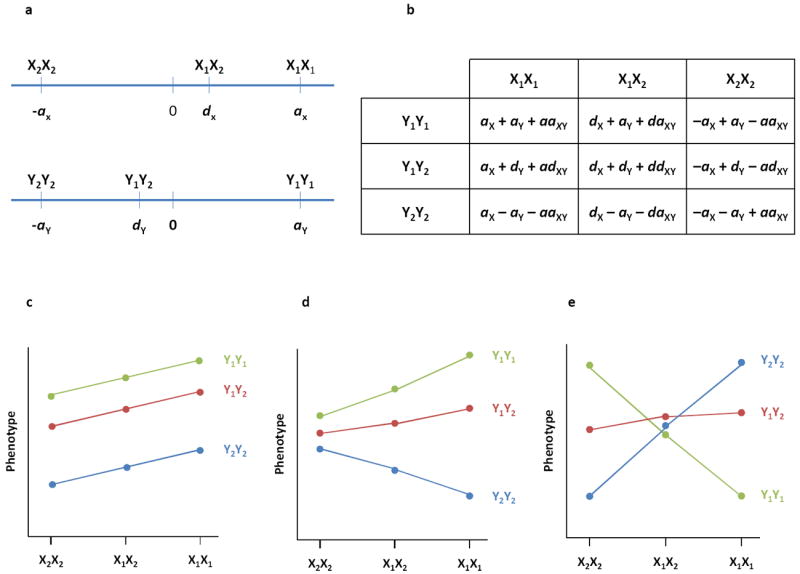
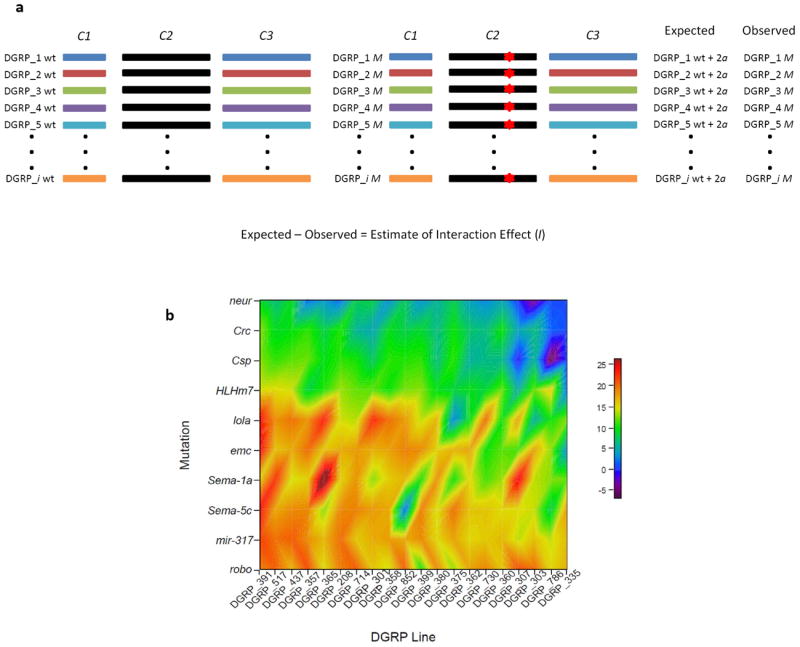
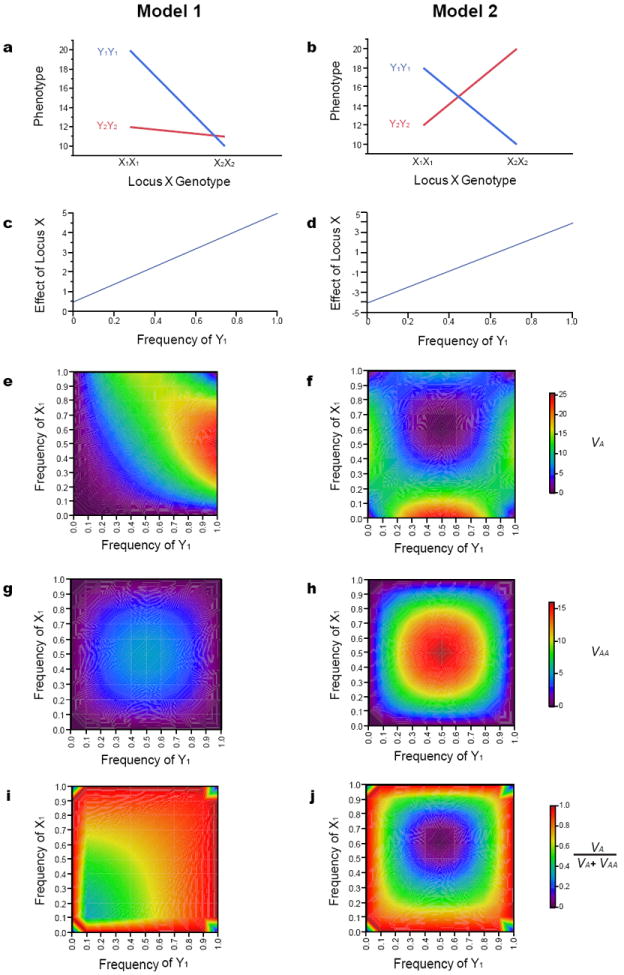
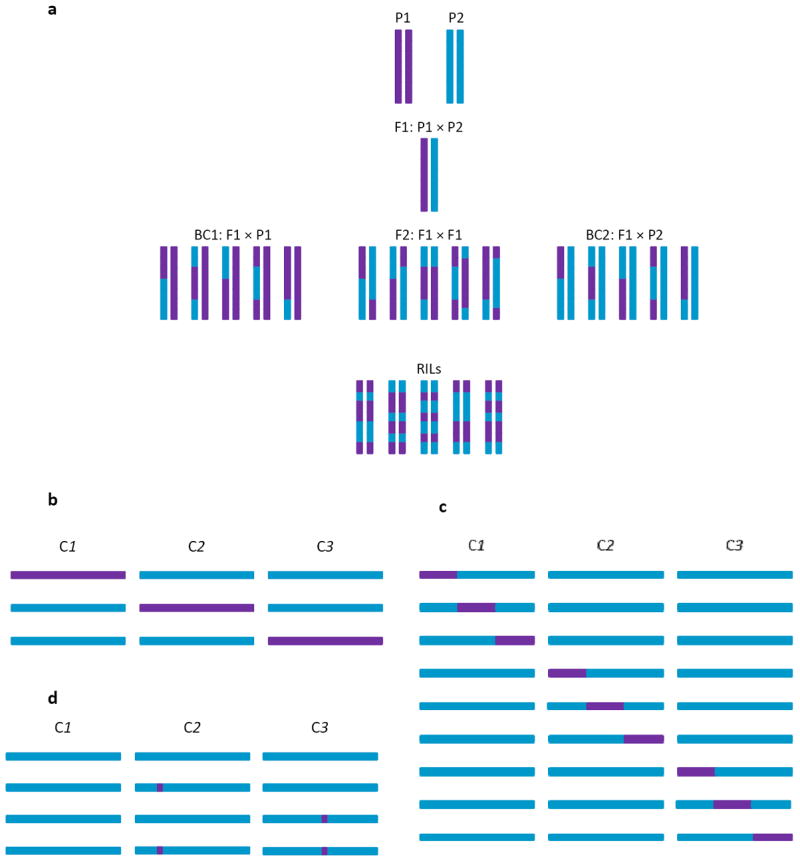
The role of epistasis in the genetic architecture of quantitative traits is controversial, despite the biological plausibility that nonlinear molecular interactions underpin the genotype-phenotype map. This controversy arises because most genetic variation for quantitative traits is additive. However, additive variance is consistent with pervasive epistasis. In this Review, I discuss experimental designs to detect the contribution of epistasis to quantitative trait phenotypes in model organisms. These studies indicate that epistasis is common, and that additivity can be an emergent property of underlying genetic interaction networks. Epistasis causes hidden quantitative genetic variation in natural populations and could be responsible for the small additive effects, missing heritability and the lack of replication that are typically observed for human complex traits.
尽管非线性分子相互作用构成了基因型-表型图谱,具有生物学上的合理性,但数量性状遗传结构中上位性的作用仍存在争议。这一争议源于数量性状的大多数遗传变异是加性的。然而,加性方差与普遍存在的上位性一致。在这篇综述中,我讨论了用于检测模型生物中上位性对数量性状表型贡献的实验设计。这些研究表明,上位性是普遍存在的,并且加性可以是潜在遗传相互作用网络的一个涌现特性。上位性导致了自然种群中隐藏的数量遗传变异,并且可能是人类复杂性状中通常观察到的小的加性效应、遗传缺失和缺乏可重复性的原因。