Namboodiri Vijay Mohan K, Huertas Marco A, Monk Kevin J, Shouval Harel Z, Hussain Shuler Marshall G
The Solomon H. Snyder Department of Neuroscience, The Johns Hopkins University, Baltimore, MD 21205, USA.
Department of Neurobiology and Anatomy, University of Texas - Houston, Houston, TX 77030, USA.
Neuron. 2015 Apr 8;86(1):319-30. doi: 10.1016/j.neuron.2015.02.043. Epub 2015 Mar 26.
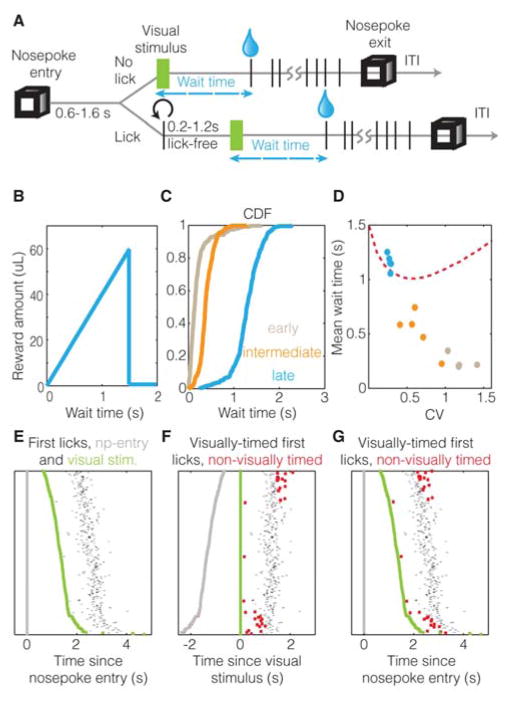
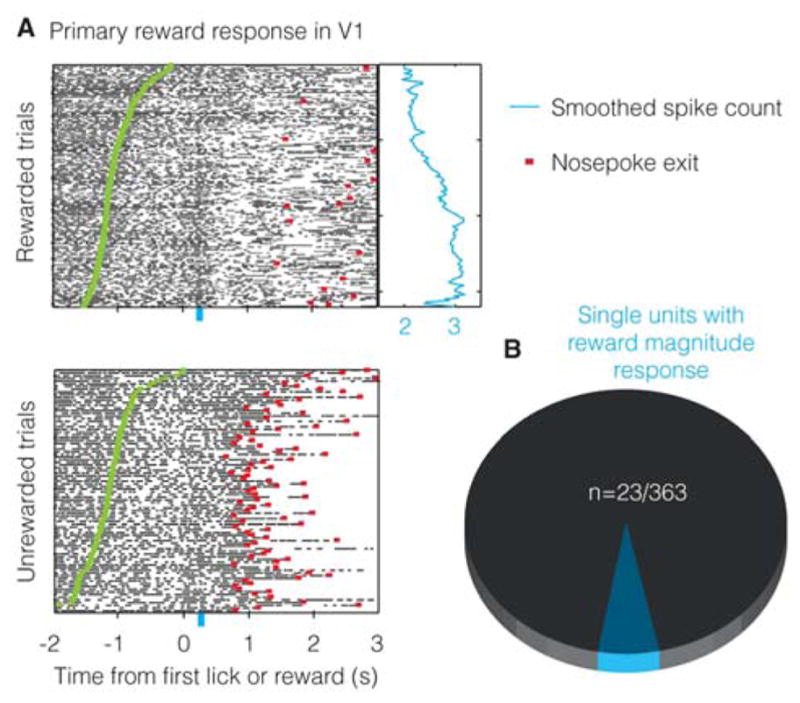
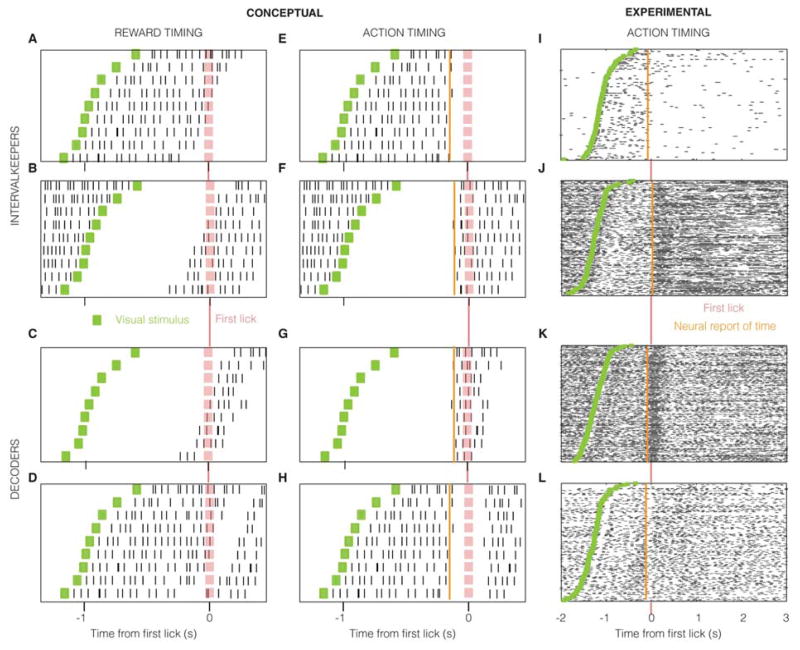
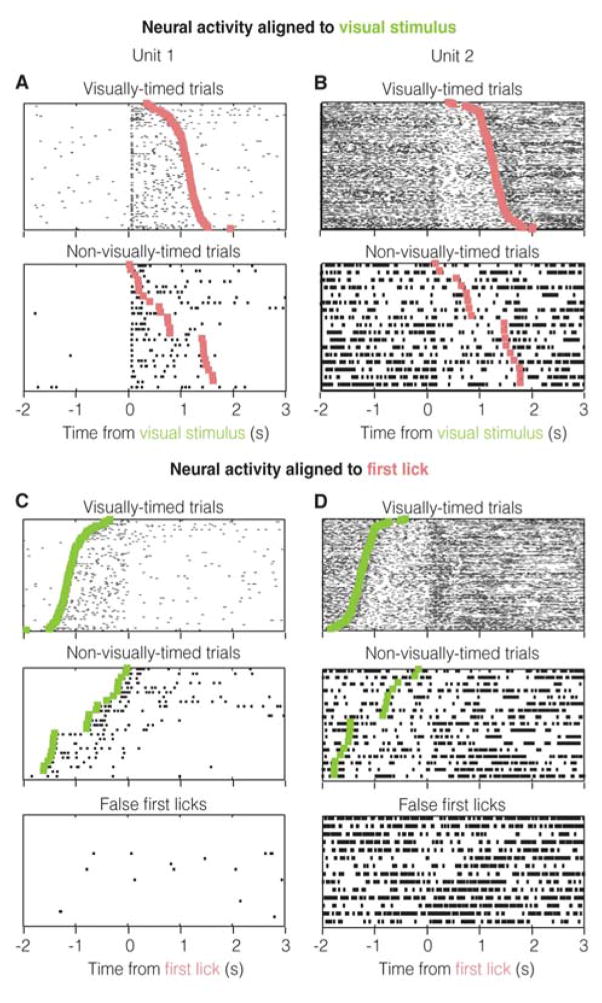
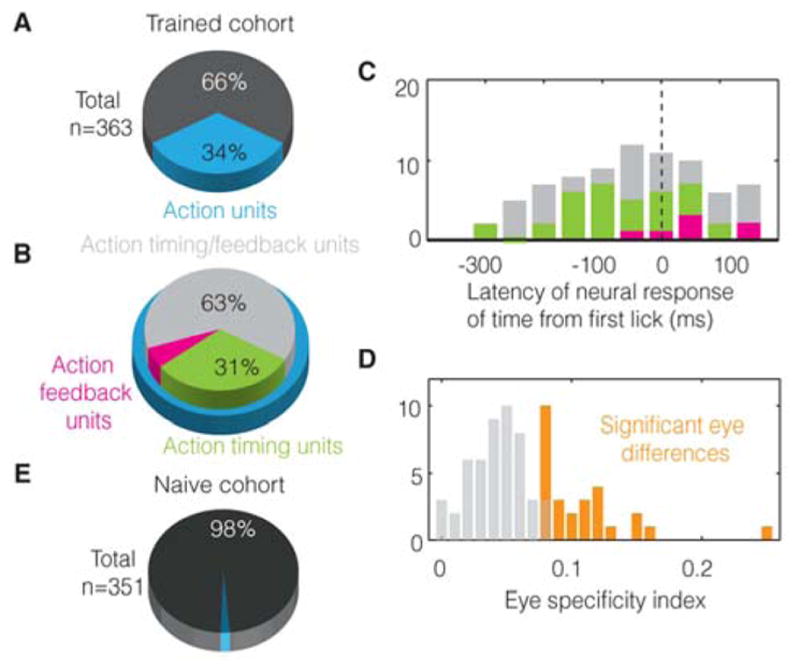
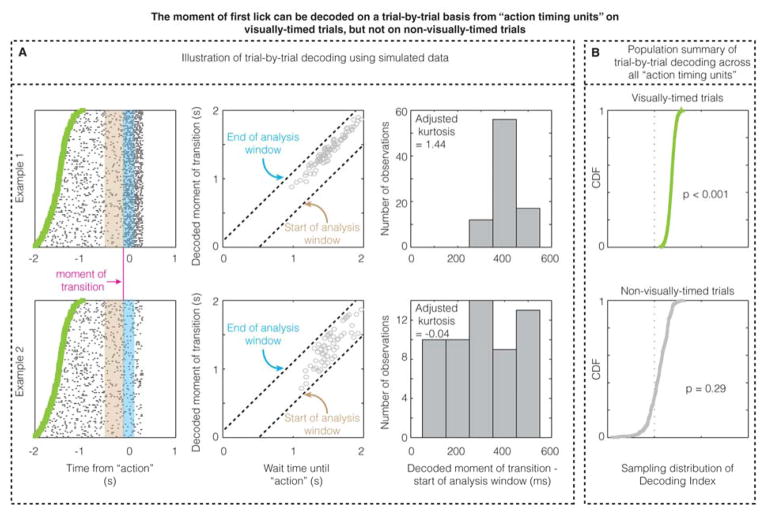
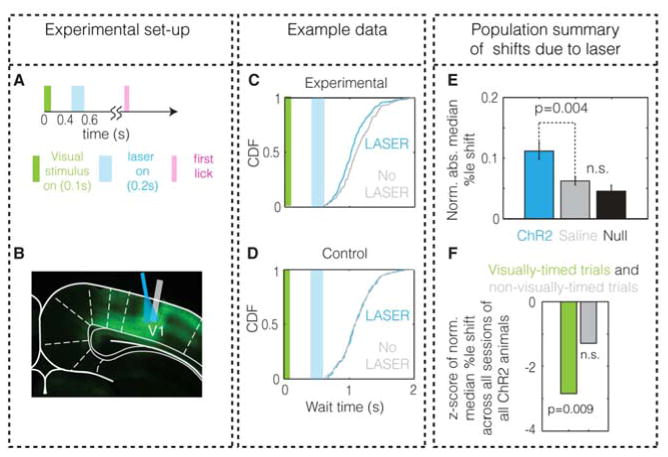
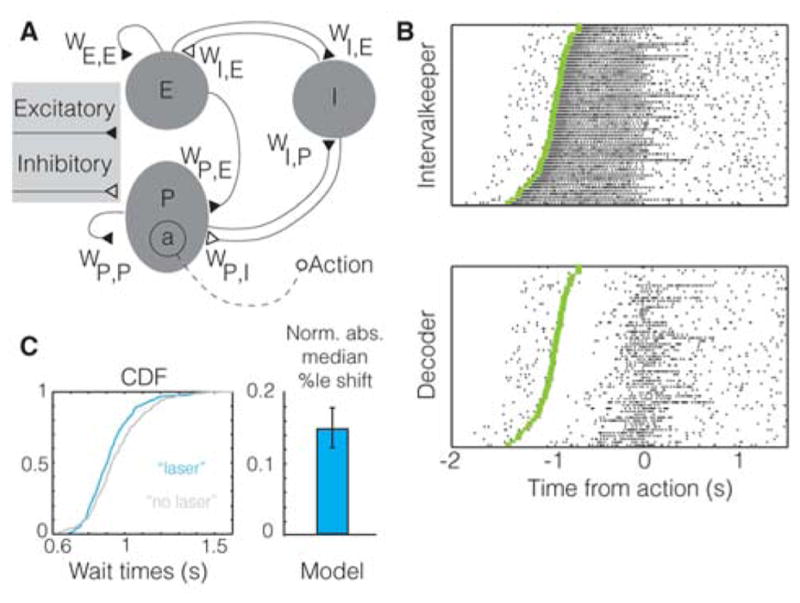
Most behaviors are generated in three steps: sensing the external world, processing that information to instruct decision-making, and producing a motor action. Sensory areas, especially primary sensory cortices, have long been held to be involved only in the first step of this sequence. Here, we develop a visually cued interval timing task that requires rats to decide when to perform an action following a brief visual stimulus. Using single-unit recordings and optogenetics in this task, we show that activity generated by the primary visual cortex (V1) embodies the target interval and may instruct the decision to time the action on a trial-by-trial basis. A spiking neuronal model of local recurrent connections in V1 produces neural responses that predict and drive the timing of future actions, rationalizing our observations. Our data demonstrate that the primary visual cortex may contribute to the instruction of visually cued timed actions.
感知外部世界、处理该信息以指导决策,以及产生运动动作。长期以来,感觉区域,尤其是初级感觉皮层,一直被认为仅参与这一序列的第一步。在此,我们开发了一种视觉提示间隔计时任务,要求大鼠在短暂视觉刺激后决定何时执行动作。在这项任务中使用单神经元记录和光遗传学,我们表明初级视觉皮层(V1)产生的活动体现了目标间隔,并可能在逐次试验的基础上指导对动作进行计时的决策。V1中局部递归连接的脉冲神经元模型产生的神经反应可预测并驱动未来动作的计时,从而使我们的观察结果合理化。我们的数据表明,初级视觉皮层可能有助于对视觉提示的定时动作进行指导。