Ogasawara Yasushi, Yackley Benjamin J, Greenberg Jacob A, Rogelj Snezna, Melançon Charles E
Department of Chemistry and Chemical Biology, University of New Mexico, Albuquerque, New Mexico, United States of America.
Department of Chemistry, New Mexico Institute of Mining and Technology, Socorro, New Mexico, United States of America; Department of Biology, New Mexico Institute of Mining and Technology, Socorro, New Mexico, United States of America.
PLoS One. 2015 Apr 2;10(4):e0121505. doi: 10.1371/journal.pone.0121505. eCollection 2015.
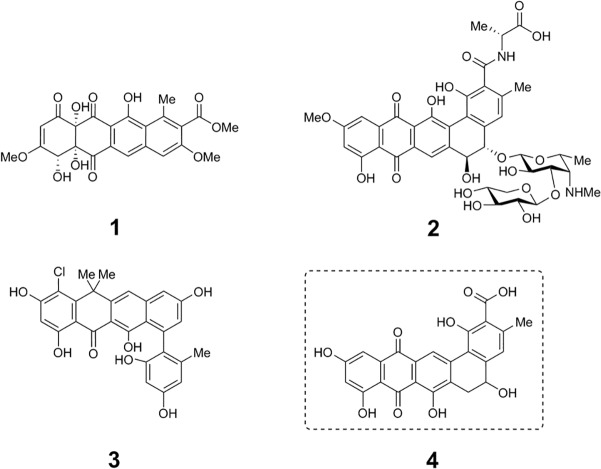
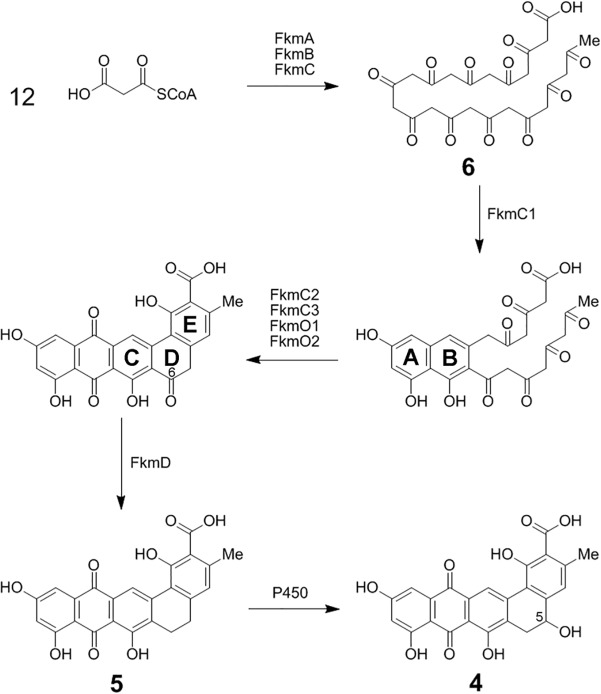
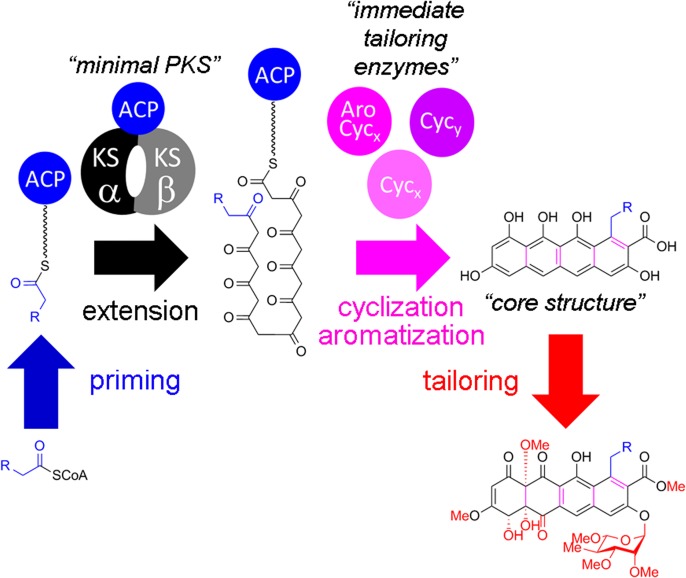
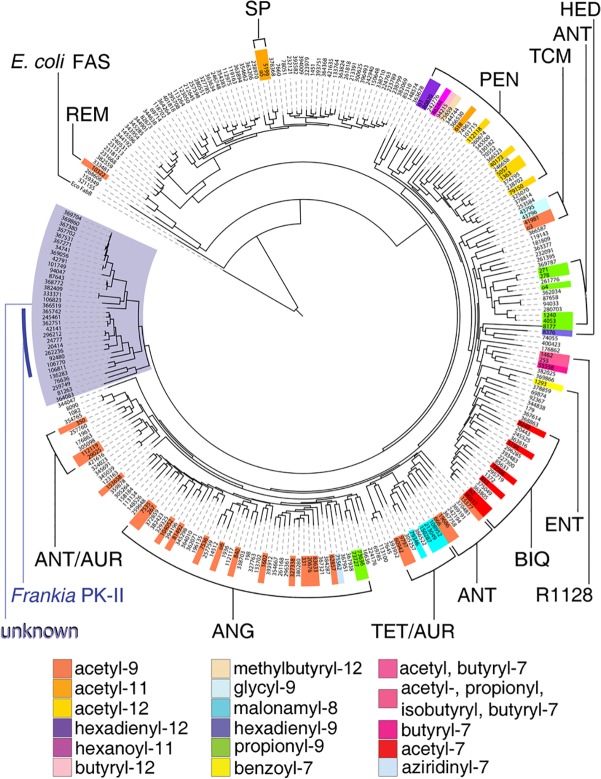
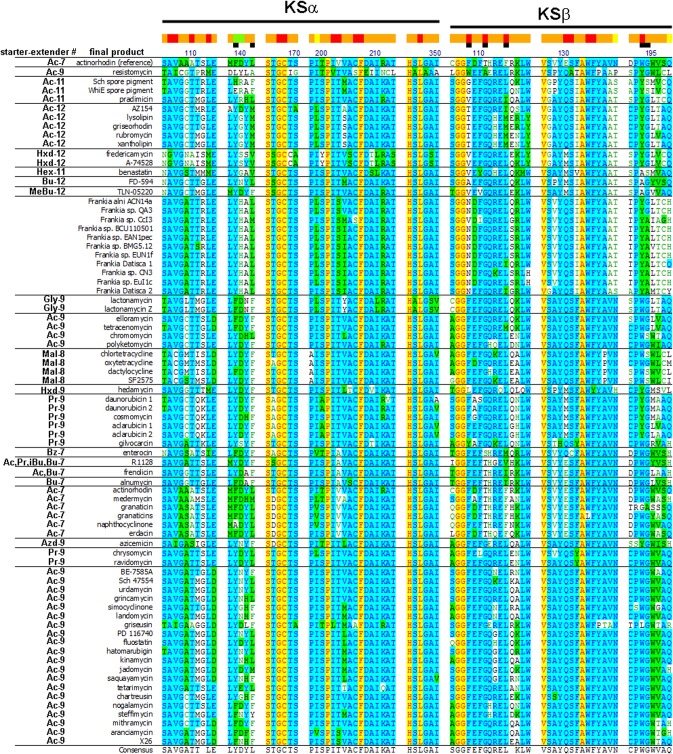
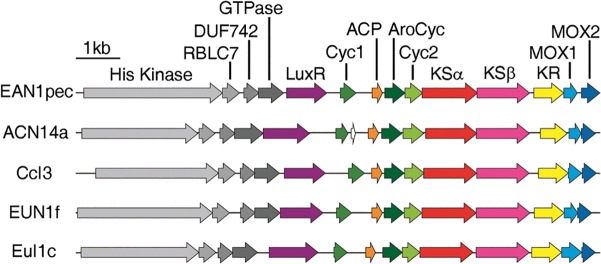
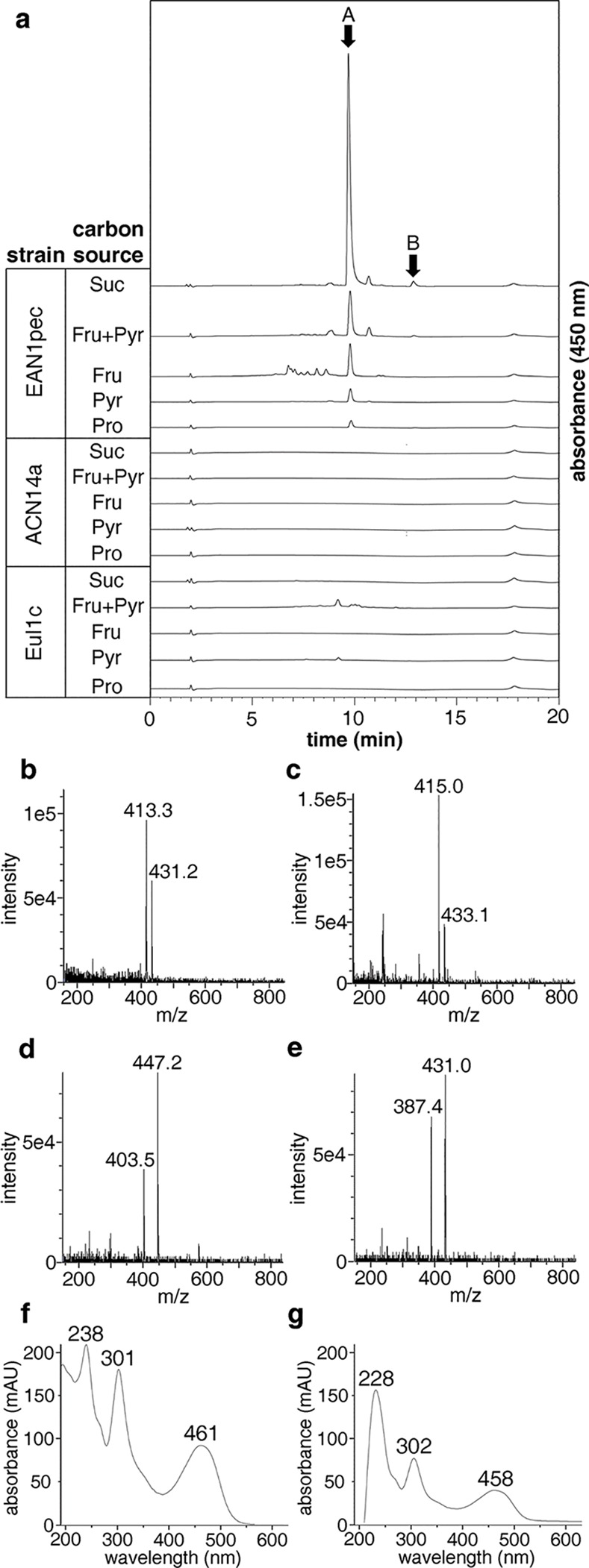
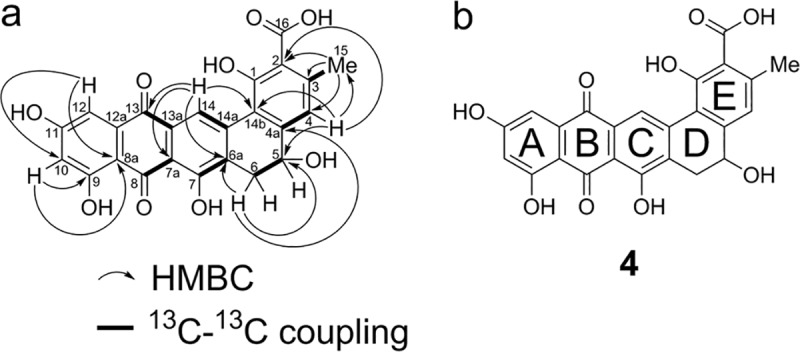
A large and rapidly increasing number of unstudied "orphan" natural product biosynthetic gene clusters are being uncovered in sequenced microbial genomes. An important goal of modern natural products research is to be able to accurately predict natural product structures and biosynthetic pathways from these gene cluster sequences. This requires both development of bioinformatic methods for global analysis of these gene clusters and experimental characterization of select products produced by gene clusters with divergent sequence characteristics. Here, we conduct global bioinformatic analysis of all available type II polyketide gene cluster sequences and identify a conserved set of gene clusters with unique ketosynthase α/β sequence characteristics in the genomes of Frankia species, a group of Actinobacteria with underexploited natural product biosynthetic potential. Through LC-MS profiling of extracts from several Frankia species grown under various conditions, we identified Frankia sp. EAN1pec as producing a compound with spectral characteristics consistent with the type II polyketide produced by this gene cluster. We isolated the compound, a pentangular polyketide which we named frankiamicin A, and elucidated its structure by NMR and labeled precursor feeding. We also propose biosynthetic and regulatory pathways for frankiamicin A based on comparative genomic analysis and literature precedent, and conduct bioactivity assays of the compound. Our findings provide new information linking this set of Frankia gene clusters with the compound they produce, and our approach has implications for accurate functional prediction of the many other type II polyketide clusters present in bacterial genomes.
在已测序的微生物基因组中,大量未经研究且数量迅速增加的“孤儿”天然产物生物合成基因簇正被发现。现代天然产物研究的一个重要目标是能够从这些基因簇序列准确预测天然产物结构和生物合成途径。这既需要开发用于对这些基因簇进行全局分析的生物信息学方法,也需要对具有不同序列特征的基因簇所产生的特定产物进行实验表征。在此,我们对所有可用的II型聚酮化合物基因簇序列进行了全局生物信息学分析,并在弗兰克氏菌属物种的基因组中鉴定出一组具有独特酮合酶α/β序列特征的保守基因簇,弗兰克氏菌属是一类放线菌,其天然产物生物合成潜力尚未得到充分开发。通过对在各种条件下生长的几种弗兰克氏菌属物种提取物的液相色谱 - 质谱分析,我们确定弗兰克氏菌EAN1pec产生了一种化合物,其光谱特征与该基因簇产生的II型聚酮化合物一致。我们分离出了该化合物,一种五角形聚酮化合物,我们将其命名为弗兰克霉素A,并通过核磁共振和标记前体饲喂阐明了其结构。我们还基于比较基因组分析和文献先例提出了弗兰克霉素A的生物合成和调控途径,并对该化合物进行了生物活性测定。我们的研究结果提供了将这组弗兰克氏菌基因簇与其产生的化合物联系起来的新信息,并且我们的方法对细菌基因组中存在的许多其他II型聚酮化合物簇的准确功能预测具有启示意义。