Liu Xinjian, He Yujun, Li Fang, Huang Qian, Kato Takamitsu A, Hall Russell P, Li Chuan-Yuan
Department of Dermatology, Duke University Medical Center, Durham, NC 27710, USA.
Department of General Surgery, Daping Hospital, Third Military Medical University, Chongqing 400042, China.
Mol Cell. 2015 Apr 16;58(2):284-96. doi: 10.1016/j.molcel.2015.03.003. Epub 2015 Apr 9.
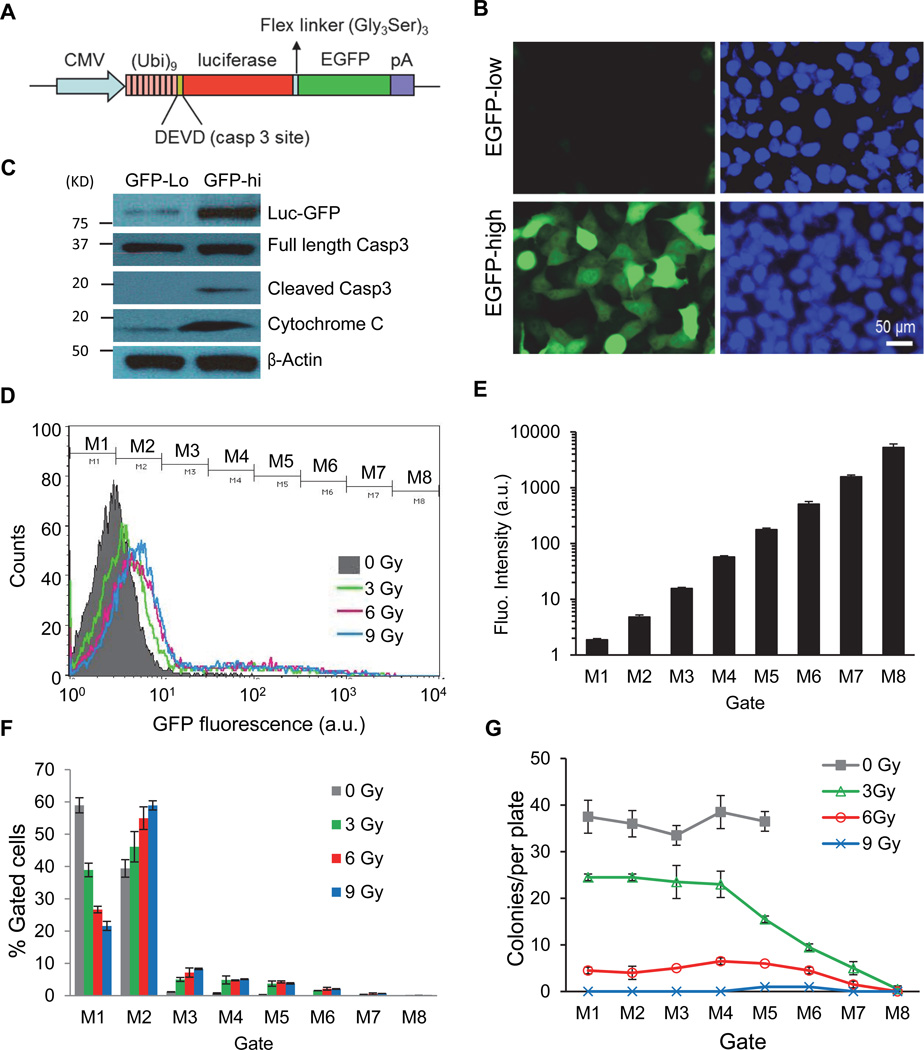
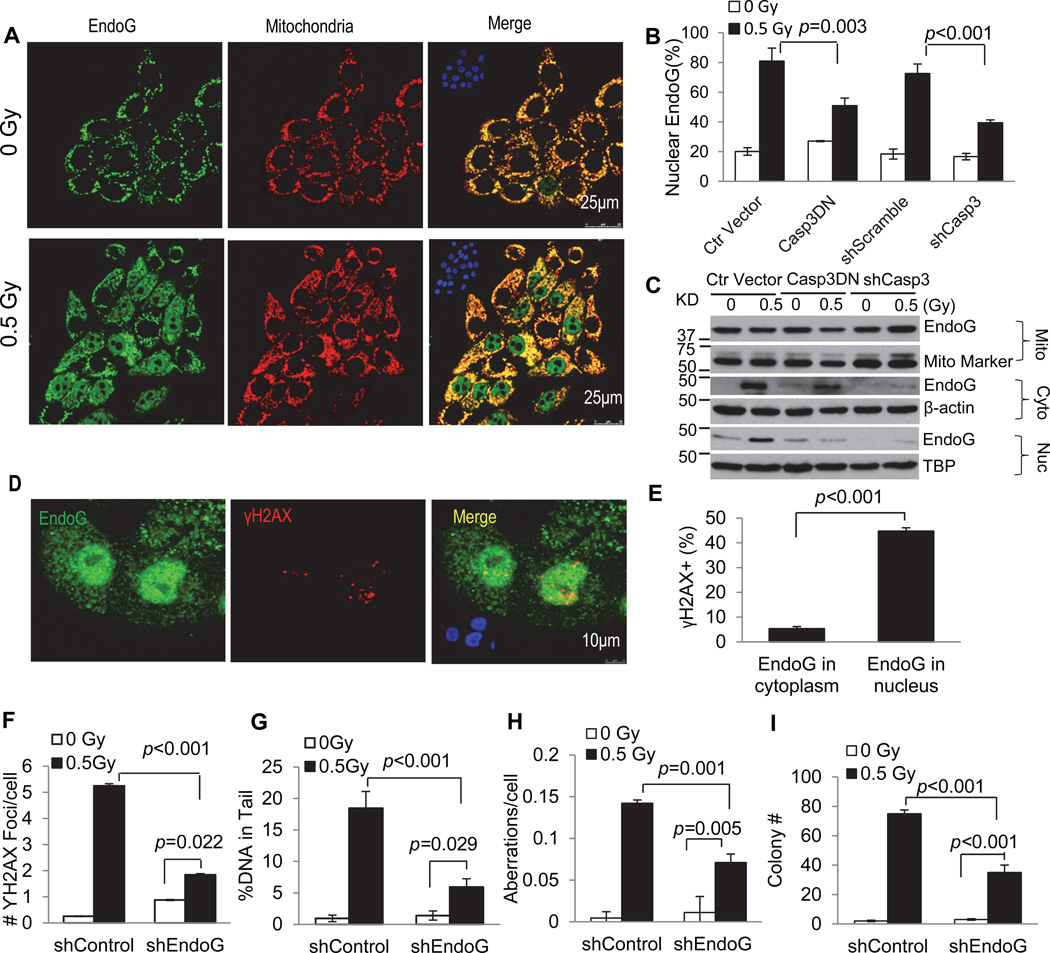
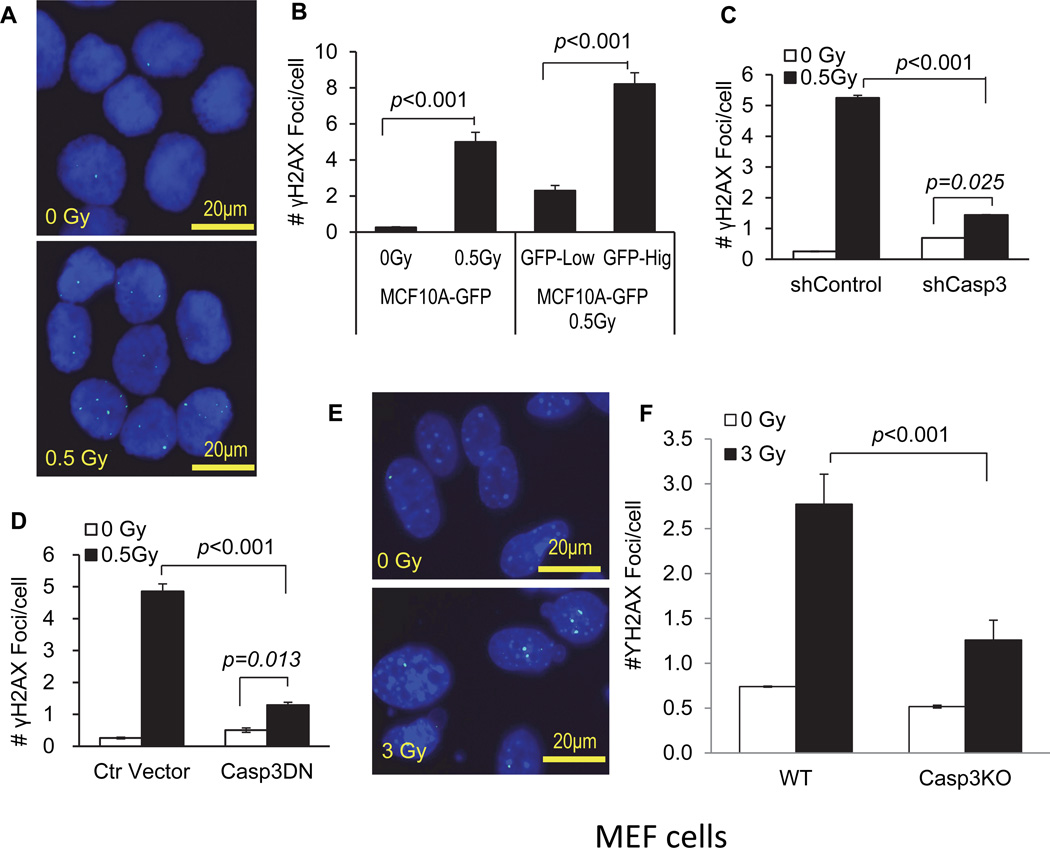
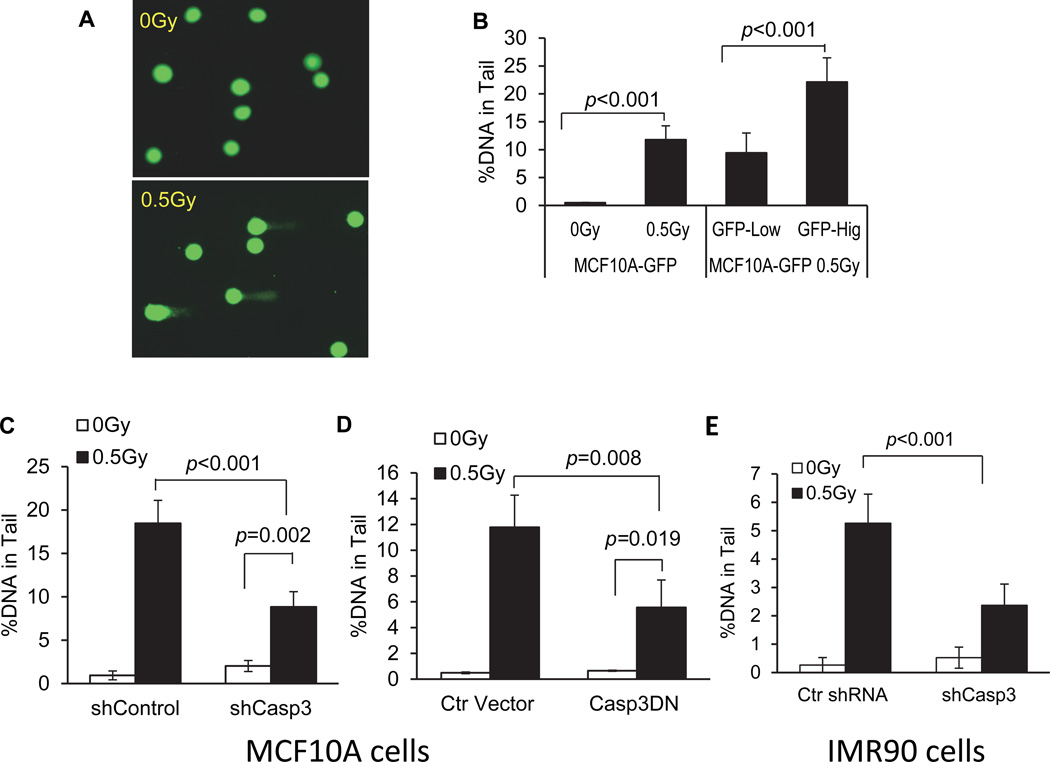
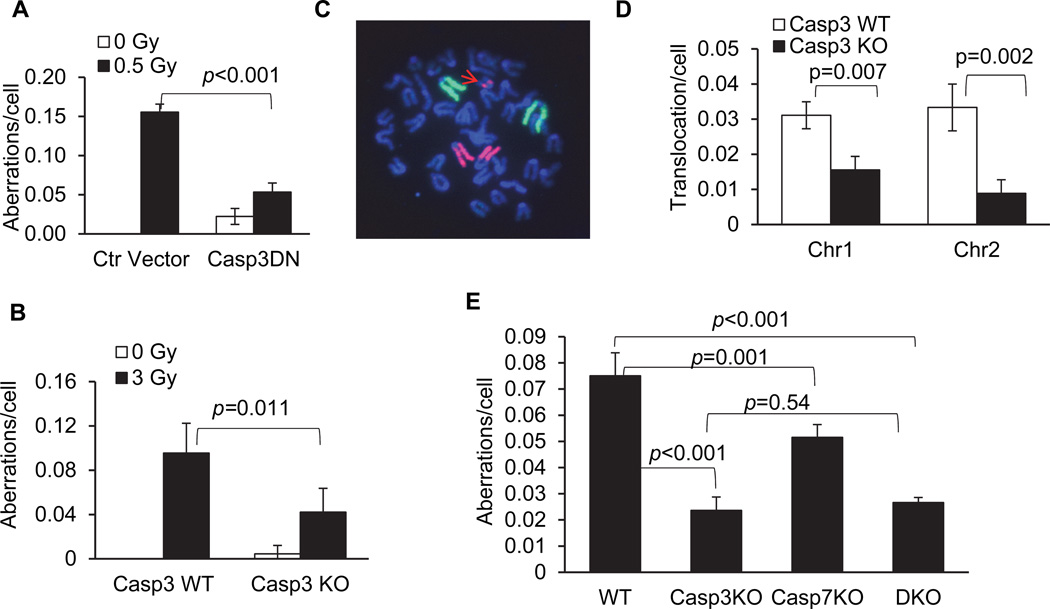
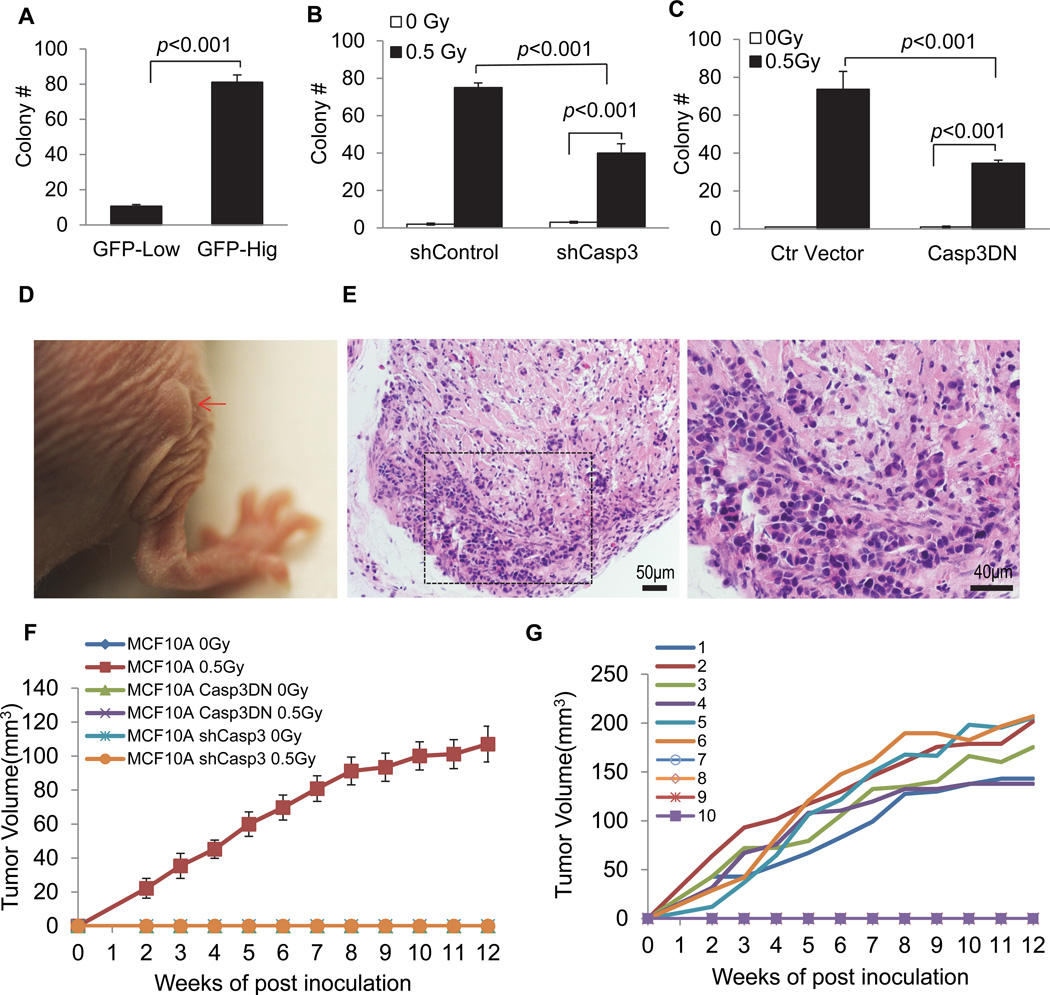
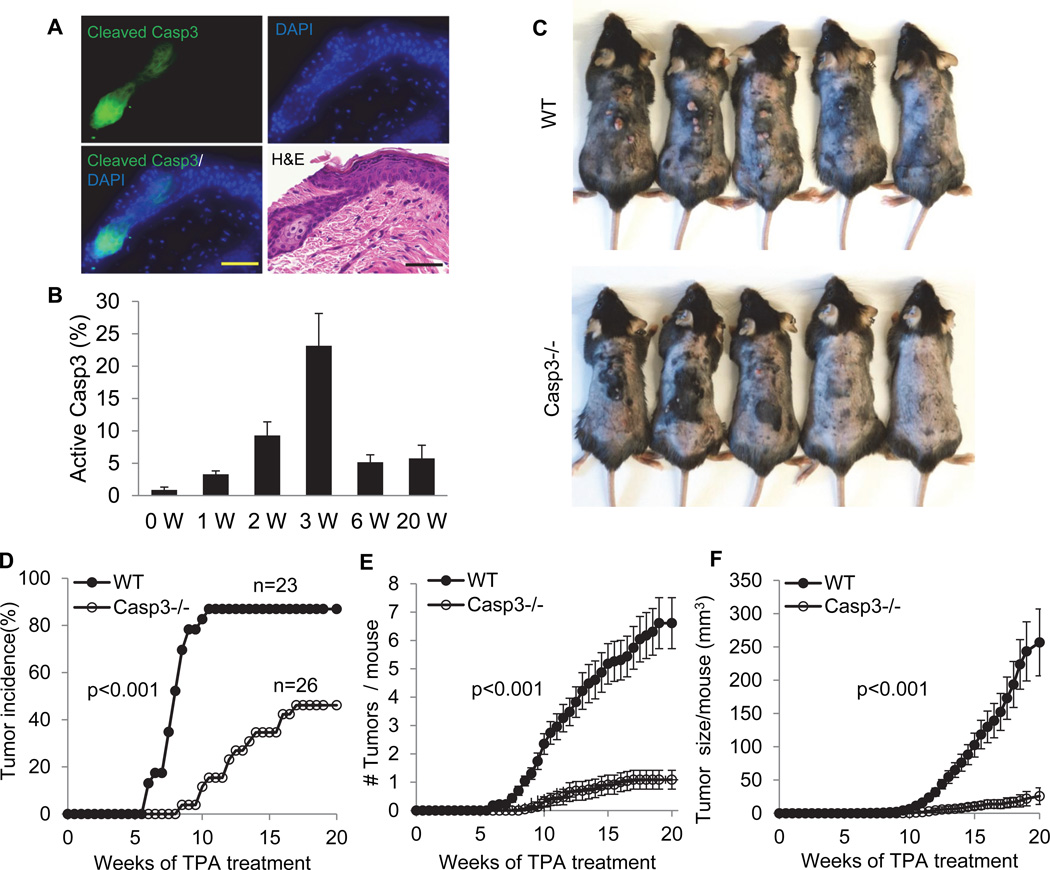
Apoptosis is typically considered an anti-oncogenic process since caspase activation can promote the elimination of genetically unstable or damaged cells. We report that a central effector of apoptosis, caspase-3, facilitates rather than suppresses chemical- and radiation-induced genetic instability and carcinogenesis. We found that a significant fraction of mammalian cells treated with ionizing radiation can survive despite caspase-3 activation. Moreover, this sublethal activation of caspase-3 promoted persistent DNA damage and oncogenic transformation. In addition, chemically induced skin carcinogenesis was significantly reduced in mice genetically deficient in caspase-3. Furthermore, attenuation of EndoG activity significantly reduced radiation-induced DNA damage and oncogenic transformation, identifying EndoG as a downstream effector of caspase-3 in this pathway. Our findings suggest that rather than acting as a broad inhibitor of carcinogenesis, caspase-3 activation may contribute to genome instability and play a pivotal role in tumor formation following damage.
细胞凋亡通常被认为是一种抗癌过程,因为半胱天冬酶激活可促进清除基因不稳定或受损的细胞。我们报告称,细胞凋亡的核心效应因子半胱天冬酶-3促进而非抑制化学和辐射诱导的基因不稳定及致癌作用。我们发现,尽管半胱天冬酶-3被激活,但接受电离辐射处理的大部分哺乳动物细胞仍能存活。此外,这种半胱天冬酶-3的亚致死激活促进了持续性DNA损伤和致癌转化。另外,在半胱天冬酶-3基因缺陷的小鼠中,化学诱导的皮肤癌发生显著减少。此外,EndoG活性的减弱显著降低了辐射诱导的DNA损伤和致癌转化,确定EndoG为该途径中半胱天冬酶-3的下游效应因子。我们的研究结果表明,半胱天冬酶-3激活并非作为致癌作用的广泛抑制剂,而是可能导致基因组不稳定,并在损伤后肿瘤形成中起关键作用。