Saunders R D, Glover D M, Ashburner M, Siden-Kiamos I, Louis C, Monastirioti M, Savakis C, Kafatos F
CRC Eukaryotic Molecular Genetics Research Group, Imperial College, London, UK.
Nucleic Acids Res. 1989 Nov 25;17(22):9027-37. doi: 10.1093/nar/17.22.9027.
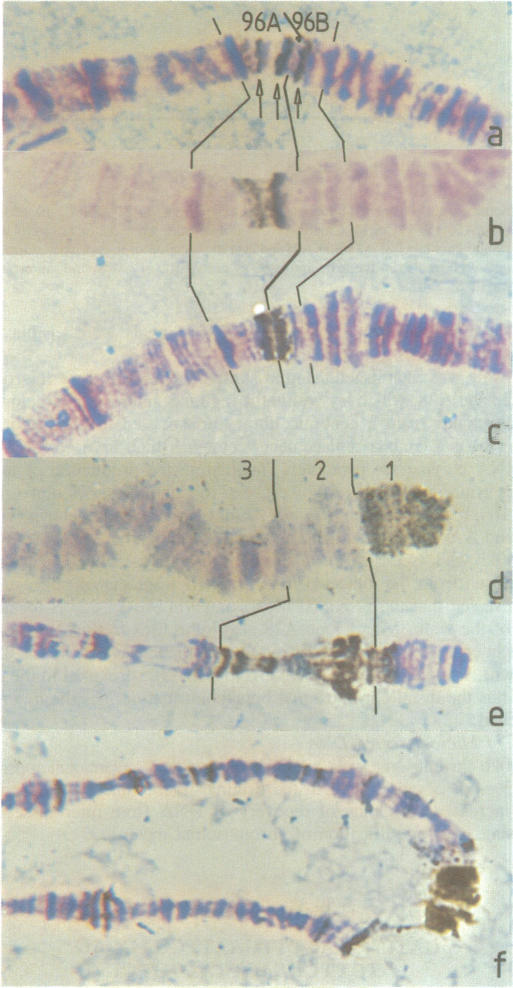
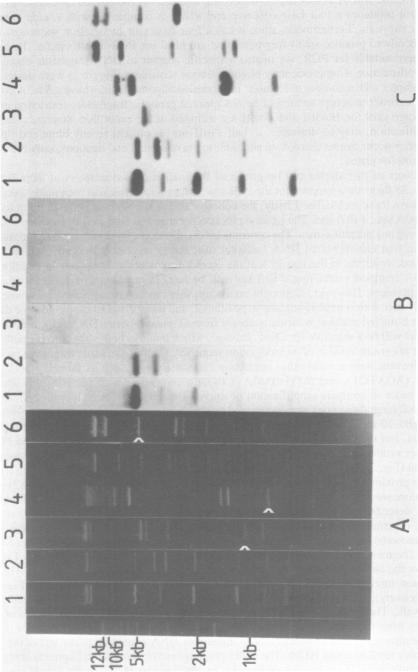
A novel alternative to microcloning for the production of region specific chromosomal DNA is described. In this method, 'microamplification', single bands are dissected from polytene chromosomes and digested with Sau3A. Oligonucleotide adaptors are ligated to these fragments to provide convenient priming sites for polymerase chain reaction amplification. In this way, as much as 1 microgram of DNA can be amplified from a single band. Probes made from PCR amplified DNA from two such dissections have been used to probe cloned DNA form a 100 kb chromosome walk. Whereas conventional microcloning has generated cloned EcoRI fragments corresponding to 3-4 kb of the walk, the PCR probes cover greater than 90% of this chromosomal region. Thus microamplification is significantly more effective than microcloning in providing probes for establishing chromosomal walks.
本文描述了一种用于生产区域特异性染色体DNA的微克隆新替代方法。在这种“微扩增”方法中,从多线染色体上切下单条带并用Sau3A进行消化。将寡核苷酸接头连接到这些片段上,为聚合酶链反应扩增提供方便的引物位点。通过这种方式,从单一条带中可扩增出多达1微克的DNA。由两次此类切割的PCR扩增DNA制成的探针已用于探测来自100 kb染色体步移的克隆DNA。传统的微克隆产生的克隆EcoRI片段对应于步移的3 - 4 kb,而PCR探针覆盖了该染色体区域的90%以上。因此,在为建立染色体步移提供探针方面,微扩增比微克隆显著更有效。