Salisbury Joseph P, Sîrbulescu Ruxandra F, Moran Benjamin M, Auclair Jared R, Zupanc Günther K H, Agar Jeffrey N
Barnett Institute, Department of Chemistry and Chemical Biology, Northeastern University, 360 Huntington Avenue, 412 TF, Boston, MA, 02115, USA.
Laboratory of Neurobiology, Department of Biology, Northeastern University, 360 Huntington Avenue, 134 Mugar Life Sciences, Boston, MA, 02115, USA.
BMC Genomics. 2015 Mar 11;16(1):166. doi: 10.1186/s12864-015-1354-2.
The brown ghost knifefish (Apteronotus leptorhynchus) is a weakly electric teleost fish of particular interest as a versatile model system for a variety of research areas in neuroscience and biology. The comprehensive information available on the neurophysiology and neuroanatomy of this organism has enabled significant advances in such areas as the study of the neural basis of behavior, the development of adult-born neurons in the central nervous system and their involvement in the regeneration of nervous tissue, as well as brain aging and senescence. Despite substantial scientific interest in this species, no genomic resources are currently available.
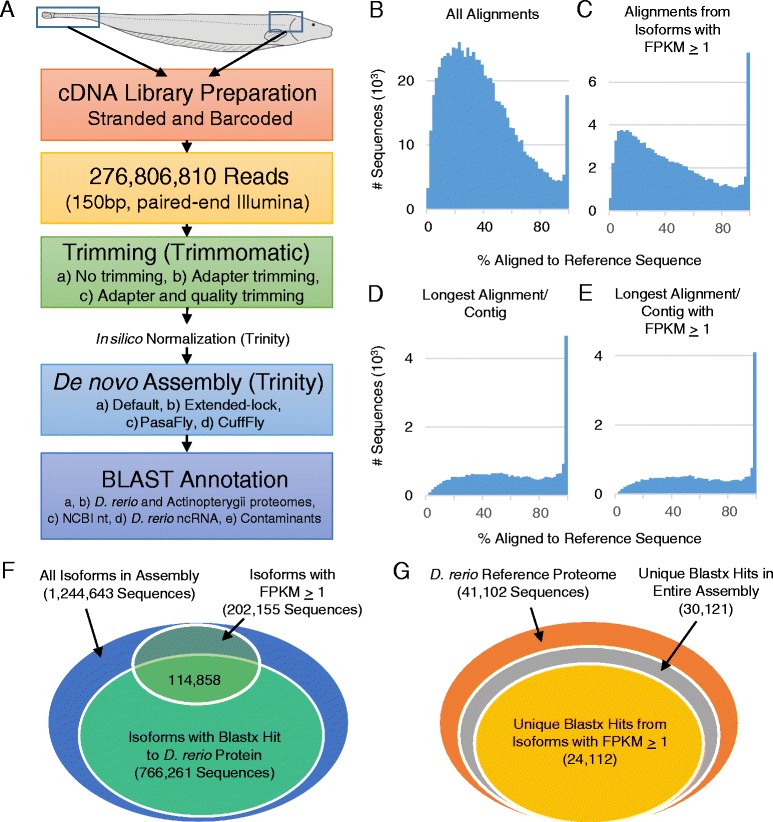
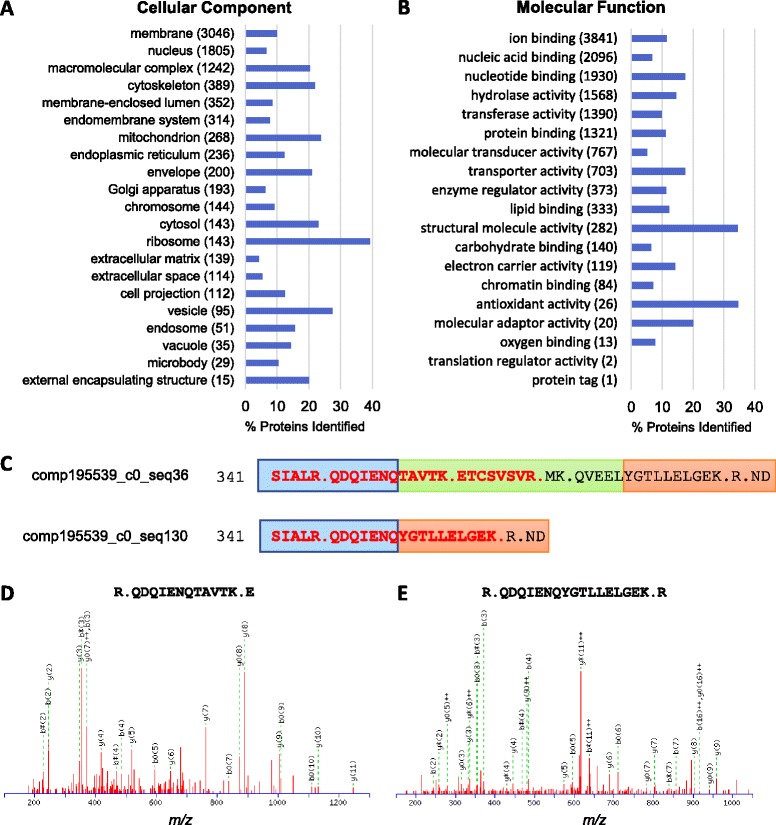
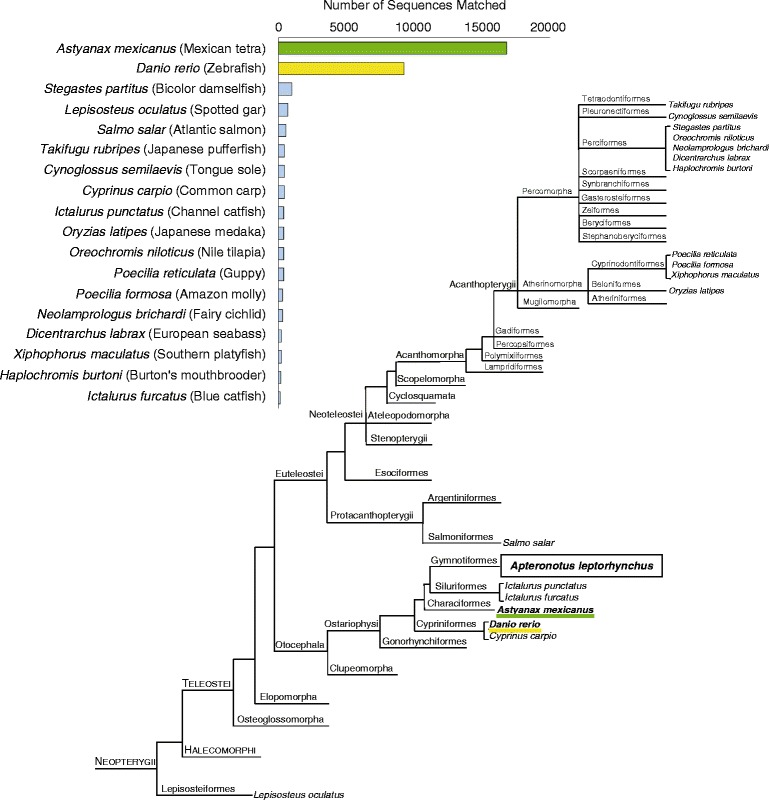
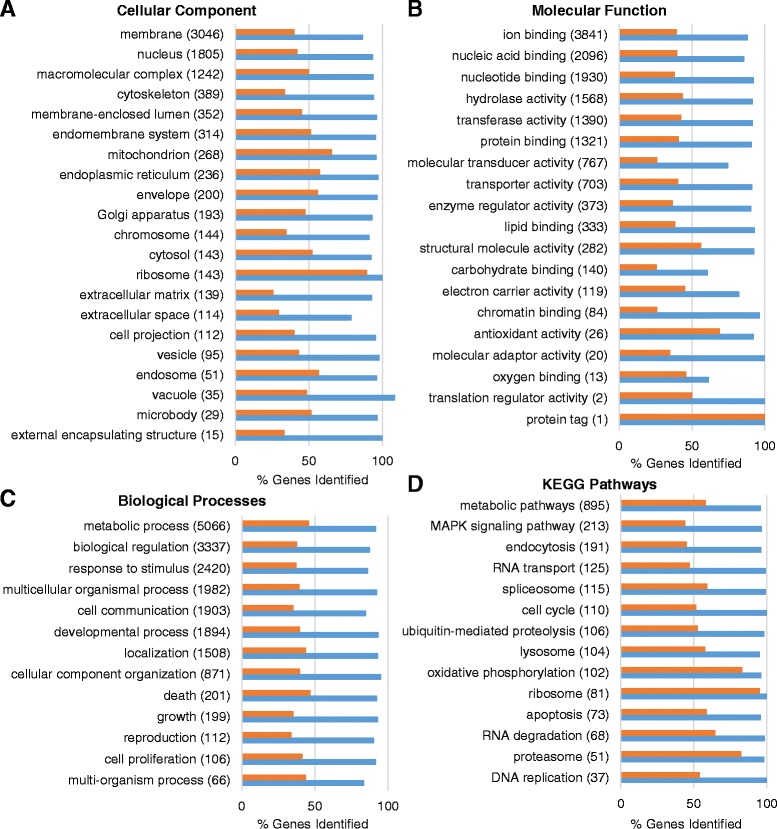
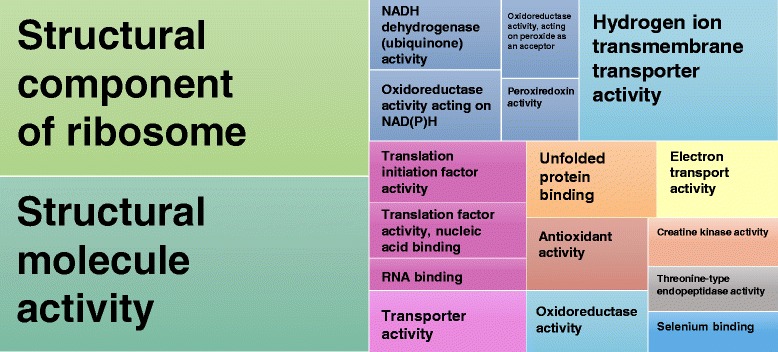
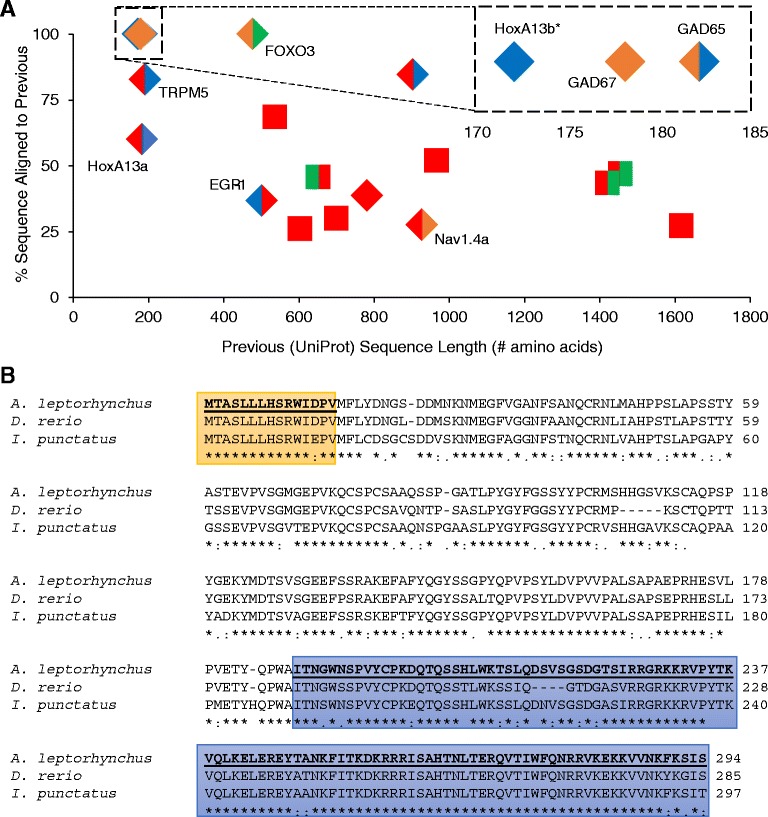
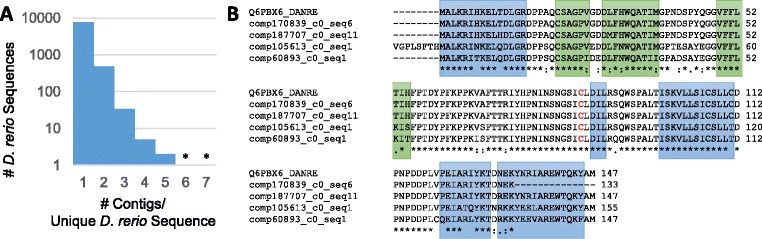
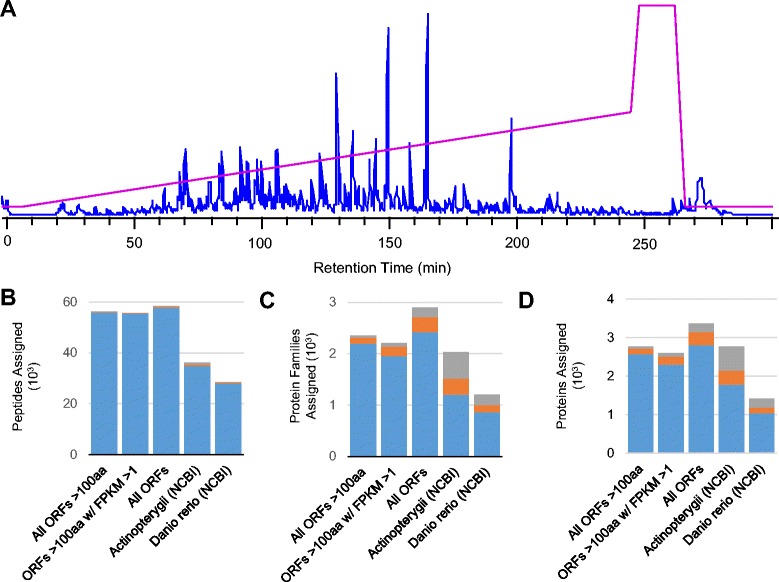
Here, we report the de novo assembly and annotation of the A. leptorhynchus transcriptome. After evaluating several trimming and transcript reconstruction strategies, de novo assembly using Trinity uncovered 42,459 unique contigs containing at least a partial protein-coding sequence based on alignment to a reference set of known Actinopterygii sequences. As many as 11,847 of these contigs contained full or near-full length protein sequences, providing broad coverage of the proteome. A variety of non-coding RNA sequences were also identified and annotated, including conserved long intergenic non-coding RNA and other long non-coding RNA observed previously to be expressed in adult zebrafish (Danio rerio) brain, as well as a variety of miRNA, snRNA, and snoRNA. Shotgun proteomics confirmed translation of open reading frames from over 2,000 transcripts, including alternative splice variants. Assignment of tandem mass spectra was greatly improved by use of the assembly compared to databases of sequences from closely related organisms. The assembly and raw reads have been deposited at DDBJ/EMBL/GenBank under the accession number GBKR00000000. Tandem mass spectrometry data is available via ProteomeXchange with identifier PXD001285.
Presented here is the first release of an annotated de novo transcriptome assembly from Apteronotus leptorhynchus, providing a broad overview of RNA expressed in central nervous system tissue. The assembly, which includes substantial coverage of a wide variety of both protein coding and non-coding transcripts, will allow the development of better tools to understand the mechanisms underlying unique characteristics of the knifefish model system, such as their tremendous regenerative capacity and negligible brain senescence.
褐幽灵刀鱼(Apteronotus leptorhynchus)是一种弱电硬骨鱼,作为神经科学和生物学多个研究领域的通用模型系统,具有特别的研究价值。关于这种生物的神经生理学和神经解剖学的全面信息,已推动了行为神经基础研究、中枢神经系统中成年新生神经元的发育及其在神经组织再生中的作用,以及大脑衰老和衰老等领域的重大进展。尽管该物种引起了广泛的科学关注,但目前尚无基因组资源。
在此,我们报告了褐幽灵刀鱼转录组的从头组装和注释。在评估了几种修剪和转录本重建策略后,使用Trinity进行的从头组装发现了42,459个独特的重叠群,根据与已知辐鳍鱼序列参考集的比对,这些重叠群至少包含部分蛋白质编码序列。其中多达11,847个重叠群包含全长或接近全长的蛋白质序列,广泛覆盖了蛋白质组。还鉴定并注释了多种非编码RNA序列,包括保守的长链基因间非编码RNA和先前观察到在成年斑马鱼(Danio rerio)大脑中表达的其他长链非编码RNA,以及多种miRNA、snRNA和snoRNA。鸟枪法蛋白质组学证实了来自2000多个转录本的开放阅读框的翻译,包括可变剪接变体。与来自密切相关生物的序列数据库相比,使用该组装极大地改善了串联质谱的分配。该组装和原始读数已保存在DDBJ/EMBL/GenBank中,登录号为GBKR00000000。串联质谱数据可通过ProteomeXchange获得,标识符为PXD001285。
本文首次发布了褐幽灵刀鱼注释的从头转录组组装,提供了中枢神经系统组织中表达的RNA的广泛概述。该组装包括对多种蛋白质编码和非编码转录本的大量覆盖,将有助于开发更好的工具,以了解刀鱼模型系统独特特征背后的机制,例如它们巨大的再生能力和可忽略不计的大脑衰老。