Wildburger Norelle C, Wood Paul L, Gumin Joy, Lichti Cheryl F, Emmett Mark R, Lang Frederick F, Nilsson Carol L
∥Department of Physiology and Pharmacology, Lincoln Memorial University, 6965 Cumberland Gap Parkway, Harrogate, Tennessee 37752, United States.
§UTMB Cancer Center, University of Texas Medical Branch, 301 University Boulevard, Galveston, Texas 77555-1074, United States.
J Proteome Res. 2015 Jun 5;14(6):2511-9. doi: 10.1021/acs.jproteome.5b00076. Epub 2015 Apr 29.
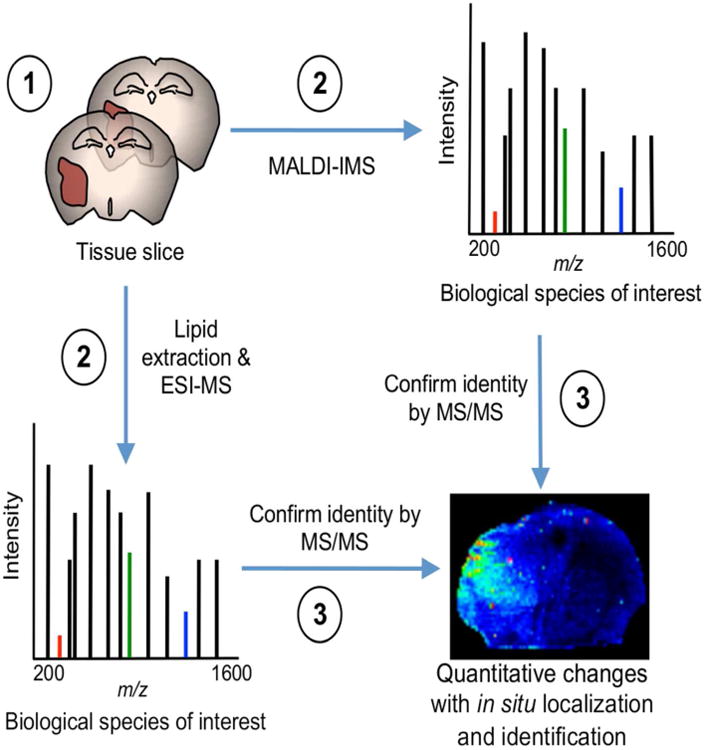
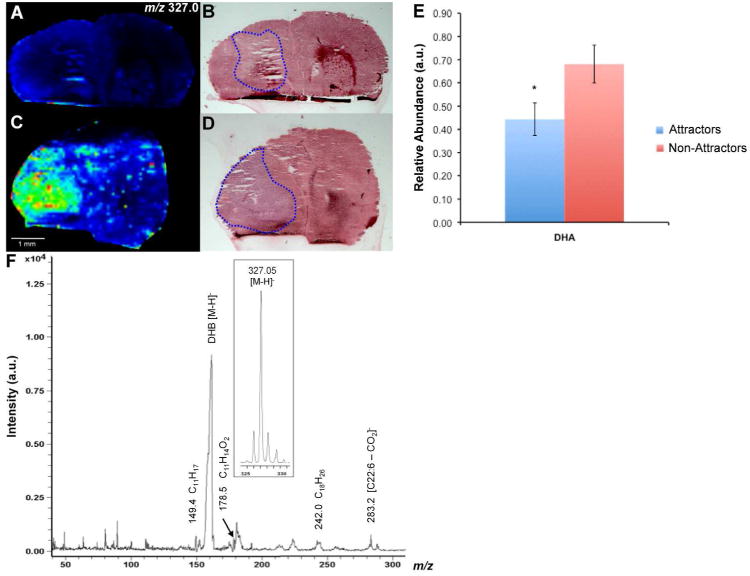
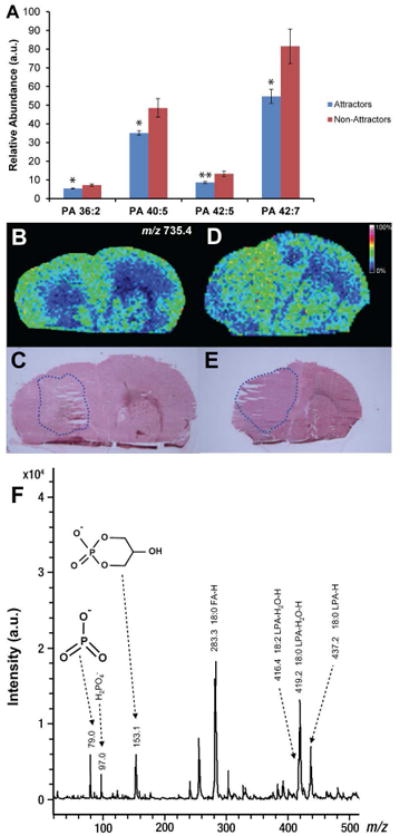
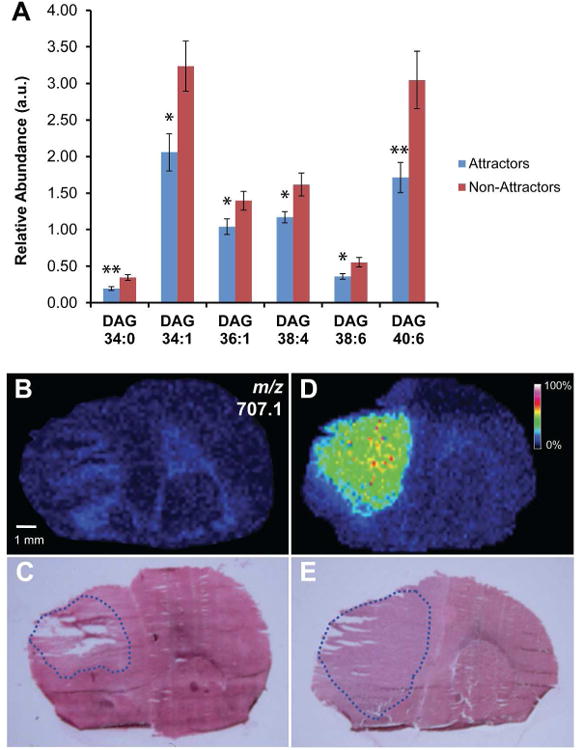
Glioblastoma (GBM) is the most common adult primary brain tumor. Despite aggressive multimodal therapy, the survival of patients with GBM remains dismal. However, recent evidence has demonstrated the promise of bone marrow-derived mesenchymal stem cells (BM-hMSCs) as a therapeutic delivery vehicle for anti-glioma agents due to their ability to migrate or home to human gliomas. While several studies have demonstrated the feasibility of harnessing the homing capacity of BM-hMSCs for targeted delivery of cancer therapeutics, it is now also evident, based on clinically relevant glioma stem cell (GSC) models of GBMs, that BM-hMSCs demonstrate variable tropism toward these tumors. In this study, we compared the lipid environment of GSC xenografts that attract BM-hMSCs (N = 9) with those that do not attract (N = 9) to identify lipid modalities that are conducive to homing of BM-hMSC to GBMs. We identified lipids directly from tissue by matrix-assisted laser desorption/ionization (MALDI) imaging mass spectrometry (IMS) and electrospray ionization-tandem mass spectrometry (ESI-MS/MS) of lipid extracts. Several species of signaling lipids, including phosphatidic acid (PA 36:2, PA 40:5, PA 42:5, and PA 42:7) and diacylglycerol (DAG 34:0, DAG 34:1, DAG 36:1, DAG 38:4, DAG 38:6, and DAG 40:6), were lower in attracting xenografts. Molecular lipid images showed that PA (36:2), DAG (40:6), and docosahexaenoic acid (DHA) were decreased within tumor regions of attracting xenografts. Our results provide the first evidence for lipid signaling pathways and lipid-mediated tumor inflammatory responses in the homing of BM-hMSCs to GSC xenografts. Our studies provide new fundamental knowledge on the molecular correlates of the differential homing capacity of BM-hMSCs toward GSC xenografts.
胶质母细胞瘤(GBM)是最常见的成人原发性脑肿瘤。尽管采用了积极的多模式治疗,但GBM患者的生存率仍然很低。然而,最近的证据表明,骨髓来源的间充质干细胞(BM-hMSC)作为抗胶质瘤药物的治疗载体具有前景,因为它们能够迁移或归巢至人类胶质瘤。虽然多项研究证明了利用BM-hMSC的归巢能力进行癌症治疗靶向递送的可行性,但基于GBM的临床相关胶质瘤干细胞(GSC)模型,现在也很明显,BM-hMSC对这些肿瘤表现出可变的嗜性。在本研究中,我们比较了吸引BM-hMSC的GSC异种移植瘤(N = 9)和不吸引BM-hMSC的GSC异种移植瘤(N = 9)的脂质环境,以确定有利于BM-hMSC归巢至GBM的脂质模式。我们通过脂质提取物的基质辅助激光解吸/电离(MALDI)成像质谱(IMS)和电喷雾电离串联质谱(ESI-MS/MS)直接从组织中鉴定脂质。几种信号脂质,包括磷脂酸(PA 36:2、PA 40:5、PA 42:5和PA 42:7)和二酰基甘油(DAG 34:0、DAG 34:1、DAG 36:1、DAG 38:4、DAG 38:6和DAG 40:6)在吸引异种移植瘤中含量较低。分子脂质图像显示,在吸引异种移植瘤的肿瘤区域内,PA(36:2)、DAG(40:6)和二十二碳六烯酸(DHA)减少。我们的结果为BM-hMSC归巢至GSC异种移植瘤中的脂质信号通路和脂质介导的肿瘤炎症反应提供了首个证据。我们的研究提供了关于BM-hMSC对GSC异种移植瘤不同归巢能力的分子相关性的新基础知识。