Hotez Peter J, Bottazzi Maria Elena, Strych Ulrich, Chang Li-Yen, Lim Yvonne A L, Goodenow Maureen M, AbuBakar Sazaly
Sabin Vaccine Institute and Texas Children's Hospital Center for Vaccine Development, Departments of Pediatrics and Molecular Virology and Microbiology, National School of Tropical Medicine, Baylor College of Medicine, Houston, Texas, United States of America; Department of Biology, Baylor University, Waco, Texas, United States of America; James A. Baker III Institute for Public Policy, Rice University, Houston, Texas, United States of America.
Sabin Vaccine Institute and Texas Children's Hospital Center for Vaccine Development, Departments of Pediatrics and Molecular Virology and Microbiology, National School of Tropical Medicine, Baylor College of Medicine, Houston, Texas, United States of America; Department of Biology, Baylor University, Waco, Texas, United States of America.
PLoS Negl Trop Dis. 2015 Apr 16;9(4):e0003575. doi: 10.1371/journal.pntd.0003575. eCollection 2015 Apr.
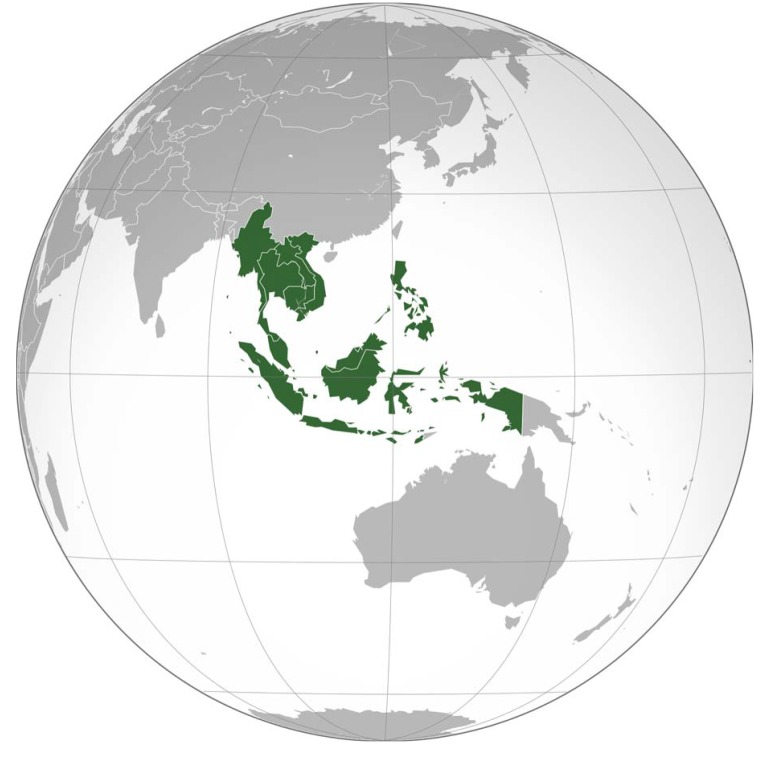
The ten member states of the Association of Southeast Asian Nations (ASEAN) constitute an economic powerhouse, yet these countries also harbor a mostly hidden burden of poverty and neglected tropical diseases (NTDs). Almost 200 million people live in extreme poverty in ASEAN countries, mostly in the low or lower middle-income countries of Indonesia, the Philippines, Myanmar, Viet Nam, and Cambodia, and many of them are affected by at least one NTD. However, NTDs are prevalent even among upper middle-income ASEAN countries such as Malaysia and Thailand, especially among the indigenous populations. The three major intestinal helminth infections are the most common NTDs; each helminthiasis is associated with approximately 100 million infections in the region. In addition, more than 10 million people suffer from either liver or intestinal fluke infections, as well as schistosomiasis and lymphatic filariasis (LF). Intestinal protozoan infections are widespread, while leishmaniasis has emerged in Thailand, and zoonotic malaria (Plasmodium knowlesi infection) causes severe morbidity in Malaysia. Melioidosis has emerged as an important bacterial NTD, as have selected rickettsial infections, and leptospirosis. Leprosy, yaws, and trachoma are still endemic in focal areas. Almost 70 million cases of dengue fever occur annually in ASEAN countries, such that this arboviral infection is now one of the most common and economically important NTDs in the region. A number of other arboviral and zoonotic viral infections have also emerged, including Japanese encephalitis; tick-borne viral infections; Nipah virus, a zoonosis present in fruit bats; and enterovirus 71 infection. There are urgent needs to expand surveillance activities in ASEAN countries, as well as to ensure mass drug administration is provided to populations at risk for intestinal helminth and fluke infections, LF, trachoma, and yaws. An ASEAN Network for Drugs, Diagnostics, Vaccines, and Traditional Medicines Innovation provides a policy framework for the development of new control and elimination tools. Together with prominent research institutions and universities, the World Health Organization (WHO), and its regional offices, these organizations could implement important public health improvements through NTD control and elimination in the coming decade.
东南亚国家联盟(东盟)的十个成员国构成了一个经济强国,但这些国家也背负着大部分隐藏的贫困负担和被忽视的热带病(NTDs)。东盟国家近2亿人生活在极端贫困中,主要分布在印度尼西亚、菲律宾、缅甸、越南和柬埔寨等低收入或中低收入国家,其中许多人至少感染一种被忽视的热带病。然而,在马来西亚和泰国等东盟高收入国家,被忽视的热带病也很普遍,尤其是在原住民中。三种主要的肠道蠕虫感染是最常见的被忽视的热带病;该地区每种蠕虫感染的病例数约为1亿例。此外,超过1000万人感染肝吸虫或肠吸虫,还有血吸虫病和淋巴丝虫病(LF)。肠道原生动物感染很普遍,而利什曼病在泰国出现,人兽共患疟疾(诺氏疟原虫感染)在马来西亚导致严重发病。类鼻疽已成为一种重要的细菌性被忽视的热带病,某些立克次体感染和钩端螺旋体病也是如此。麻风病、雅司病和沙眼在局部地区仍然流行。东盟国家每年发生近7000万例登革热病例,因此这种虫媒病毒感染现在是该地区最常见且在经济上最重要的被忽视的热带病之一。还出现了一些其他虫媒病毒和人兽共患病毒感染,包括日本脑炎;蜱传病毒感染;尼帕病毒,一种存在于果蝠中的人畜共患病;以及肠道病毒71感染。东盟迫切需要扩大监测活动,并确保为有肠道蠕虫和吸虫感染、淋巴丝虫病、沙眼和雅司病风险的人群提供大规模药物治疗。东盟药物、诊断、疫苗和传统医学创新网络为开发新的控制和消除工具提供了政策框架。这些组织与著名的研究机构和大学、世界卫生组织(WHO)及其区域办事处一起,可在未来十年通过控制和消除被忽视的热带病实现重要的公共卫生改善。