Pandey Jyotsna L, Wang Bo, Diehl Brett G, Richard Tom L, Chen Gong, Anderson Charles T
Department of Agricultural and Biological Engineering, The Pennsylvania State University, University Park, Pennsylvania, United States of America; Center for Lignocellulose Structure and Formation, The Pennsylvania State University, University Park, Pennsylvania, United States of America.
Department of Chemistry, The Pennsylvania State University, University Park, Pennsylvania, United States of America; Center for Lignocellulose Structure and Formation, The Pennsylvania State University, University Park, Pennsylvania, United States of America.
PLoS One. 2015 Apr 17;10(4):e0121334. doi: 10.1371/journal.pone.0121334. eCollection 2015.
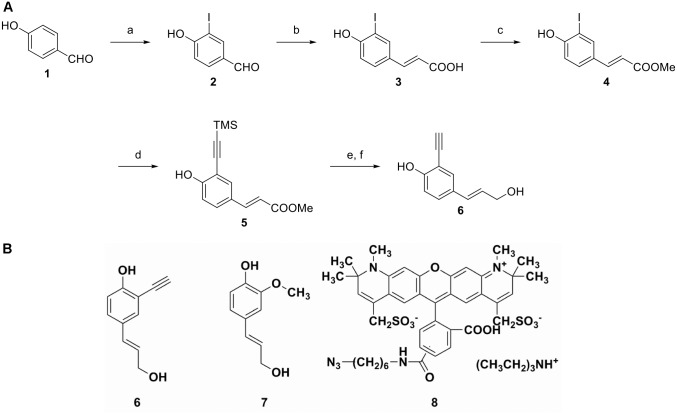
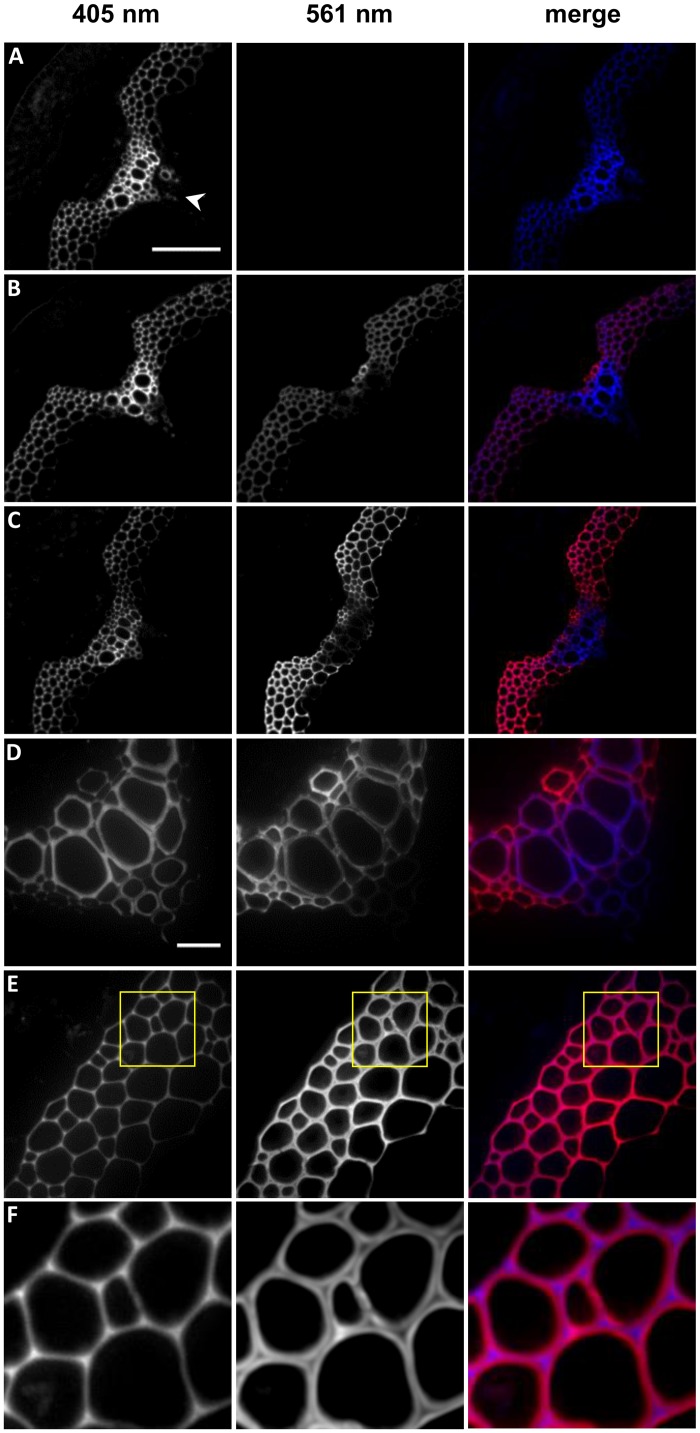
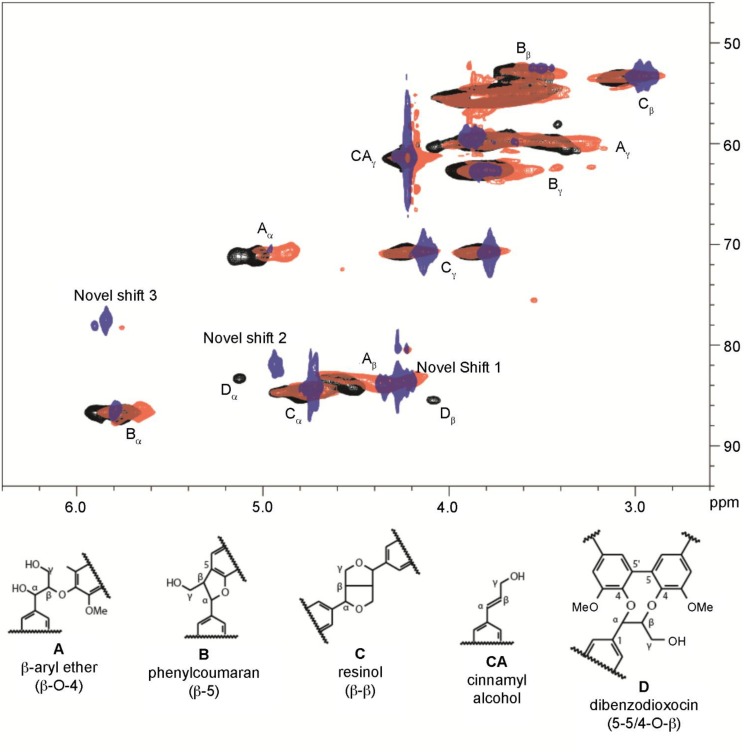
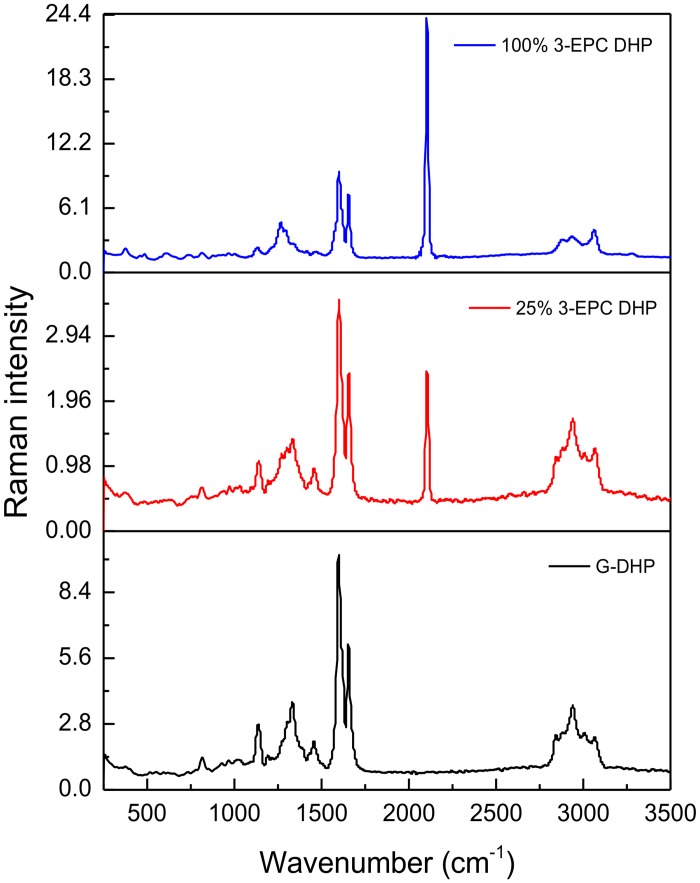
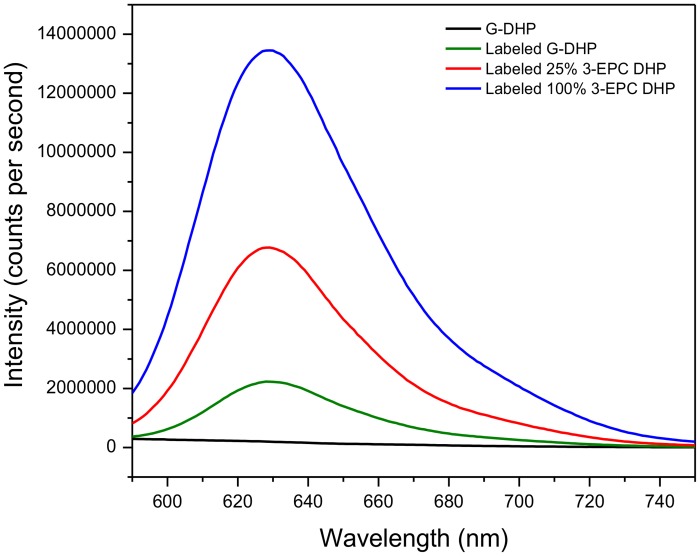
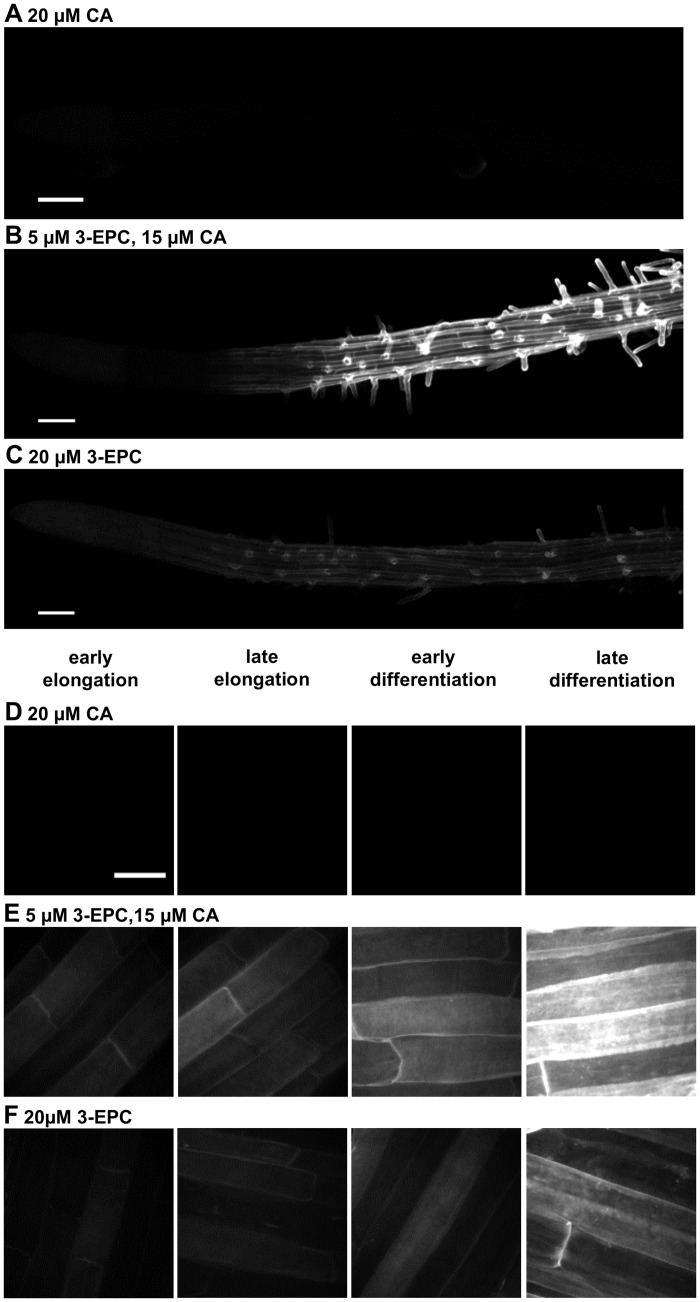
Lignin plays important structural and functional roles in plants by forming a hydrophobic matrix in secondary cell walls that enhances mechanical strength and resists microbial decay. While the importance of the lignin matrix is well documented and the biosynthetic pathways for monolignols are known, the process by which lignin precursors or monolignols are transported and polymerized to form this matrix remains a subject of considerable debate. In this study, we have synthesized and tested an analog of coniferyl alcohol that has been modified to contain an ethynyl group at the C-3 position. This modification enables fluorescent tagging and imaging of this molecule after its incorporation into plant tissue by click chemistry-assisted covalent labeling with a fluorescent azide dye, and confers a distinct Raman signature that could be used for Raman imaging. We found that this monolignol analog is incorporated into in vitro-polymerized dehydrogenation polymer (DHP) lignin and into root epidermal cell walls of 4-day-old Arabidopsis seedlings. Incorporation of the analog in stem sections of 6-week-old Arabidopsis thaliana plants and labeling with an Alexa-594 azide dye revealed the precise locations of new lignin polymerization. Results from this study indicate that this molecule can provide high-resolution localization of lignification during plant cell wall maturation and lignin matrix assembly.
木质素通过在次生细胞壁中形成疏水性基质来增强机械强度并抵抗微生物降解,从而在植物中发挥重要的结构和功能作用。虽然木质素基质的重要性已得到充分证明,且单木质醇的生物合成途径也已为人所知,但木质素前体或单木质醇被运输和聚合以形成这种基质的过程仍然是一个备受争议的话题。在本研究中,我们合成并测试了一种松柏醇类似物,该类似物在C-3位被修饰为含有乙炔基。这种修饰使得该分子在通过与荧光叠氮化物染料进行点击化学辅助共价标记并入植物组织后能够进行荧光标记和成像,并赋予其独特的拉曼特征,可用于拉曼成像。我们发现这种单木质醇类似物被并入体外聚合的脱氢聚合物(DHP)木质素以及4日龄拟南芥幼苗的根表皮细胞壁中。将该类似物并入6周龄拟南芥植株的茎段并用Alexa-594叠氮化物染料进行标记,揭示了新木质素聚合的精确位置。本研究结果表明,该分子能够在植物细胞壁成熟和木质素基质组装过程中提供木质化的高分辨率定位。