Maceda Agustín, Terrazas Teresa
Laboratorio Nacional de Investigación y Servicio Agroalimentario y Forestal, Universidad Autónoma Chapingo, Texcoco 56230, Mexico.
Instituto de Biología, Universidad Nacional Autónoma de México, Mexico City 09230, Mexico.
Polymers (Basel). 2022 Feb 28;14(5):961. doi: 10.3390/polym14050961.
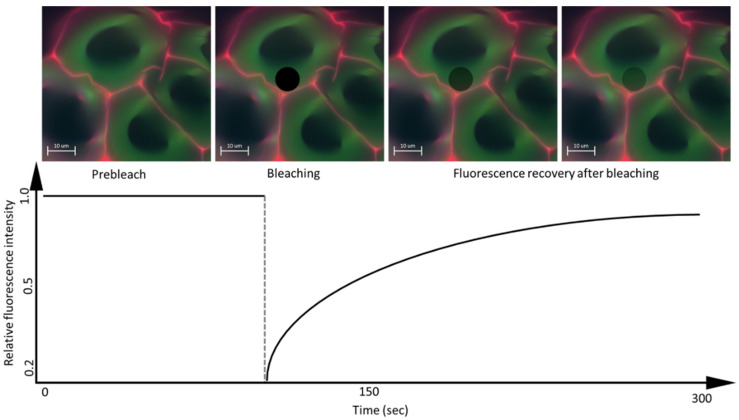
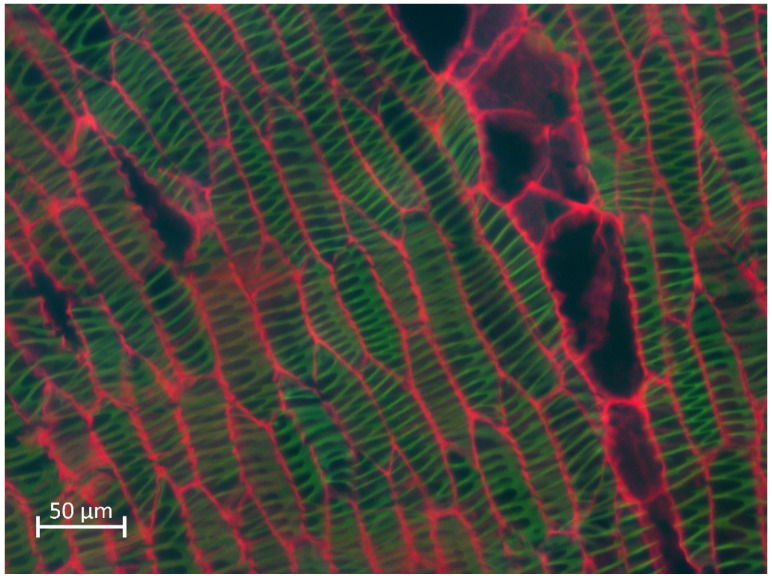
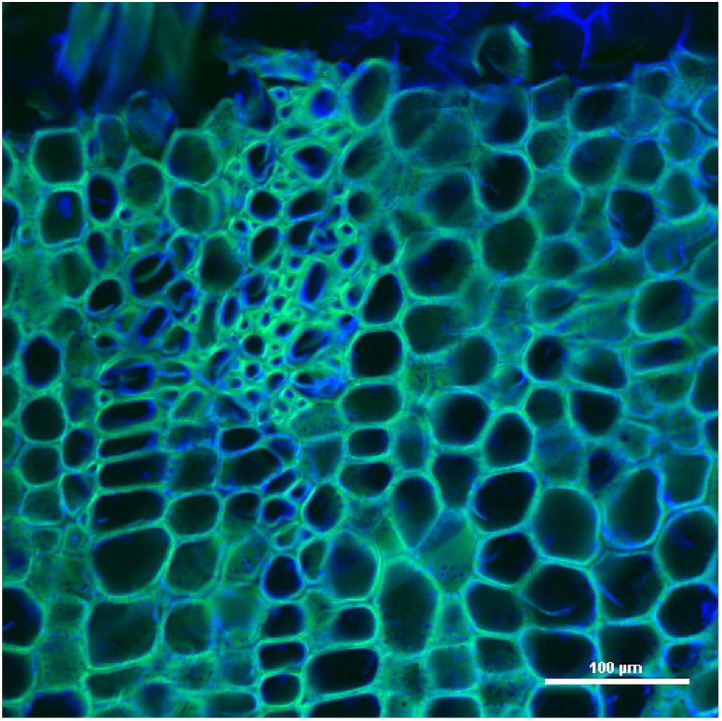
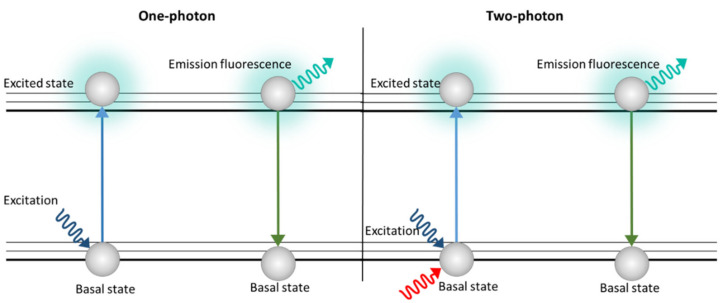
Lignin is one of the most studied and analyzed materials due to its importance in cell structure and in lignocellulosic biomass. Because lignin exhibits autofluorescence, methods have been developed that allow it to be analyzed and characterized directly in plant tissue and in samples of lignocellulose fibers. Compared to destructive and costly analytical techniques, fluorescence microscopy presents suitable alternatives for the analysis of lignin autofluorescence. Therefore, this review article analyzes the different methods that exist and that have focused specifically on the study of lignin because with the revised methods, lignin is characterized efficiently and in a short time. The existing qualitative methods are Epifluorescence and Confocal Laser Scanning Microscopy; however, other semi-qualitative methods have been developed that allow fluorescence measurements and to quantify the differences in the structural composition of lignin. The methods are fluorescence lifetime spectroscopy, two-photon microscopy, Föster resonance energy transfer, fluorescence recovery after photobleaching, total internal reflection fluorescence, and stimulated emission depletion. With these methods, it is possible to analyze the transport and polymerization of lignin monomers, distribution of lignin of the syringyl or guaiacyl type in the tissues of various plant species, and changes in the degradation of wood by pulping and biopulping treatments as well as identify the purity of cellulose nanofibers though lignocellulosic biomass.
由于木质素在细胞结构和木质纤维素生物质中具有重要性,它是研究和分析最多的材料之一。因为木质素具有自发荧光,所以已经开发出一些方法,使其能够在植物组织和木质纤维素纤维样品中直接进行分析和表征。与破坏性且成本高昂的分析技术相比,荧光显微镜为木质素自发荧光分析提供了合适的替代方法。因此,这篇综述文章分析了现有的、专门针对木质素研究的不同方法,因为通过这些改进的方法,可以高效且快速地表征木质素。现有的定性方法是落射荧光显微镜和共聚焦激光扫描显微镜;然而,也开发了其他半定性方法,这些方法可以进行荧光测量并量化木质素结构组成的差异。这些方法包括荧光寿命光谱法、双光子显微镜、荧光共振能量转移、光漂白后荧光恢复、全内反射荧光和受激发射损耗。通过这些方法,可以分析木质素单体的运输和聚合、不同植物物种组织中紫丁香基型或愈创木基型木质素的分布、制浆和生物制浆处理对木材降解的影响,以及通过木质纤维素生物质鉴定纤维素纳米纤维的纯度。