Li Xin, Yu Jie, Brock Malcolm V, Tao Qian, Herman James G, Liang Ping, Guo Mingzhou
Department of Interventional Ultrasound, Chinese PLA General Hospital, Beijing, China.
Department of Gastroenterology & Hepatology, Chinese PLA General Hospital, Beijing, China.
Oncotarget. 2015 May 10;6(13):11547-60. doi: 10.18632/oncotarget.3413.
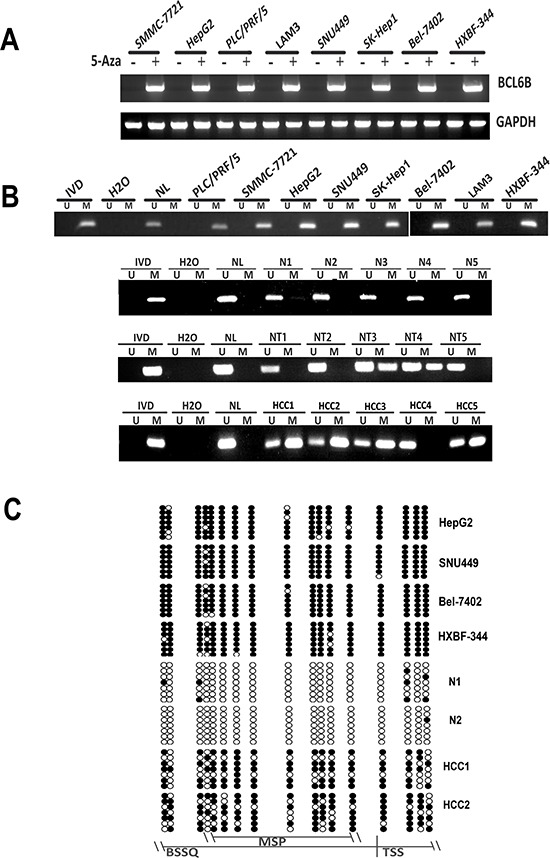
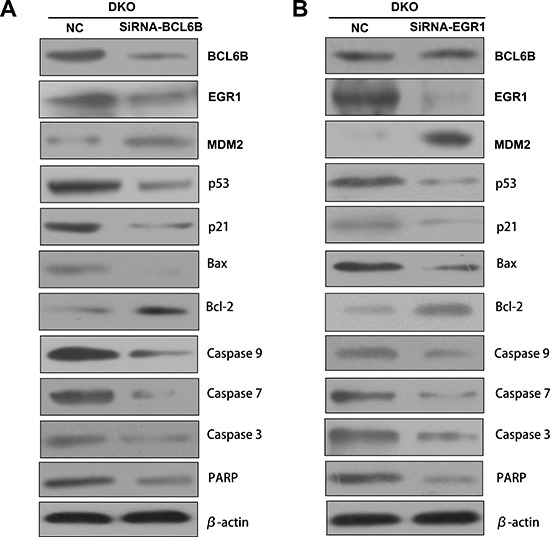
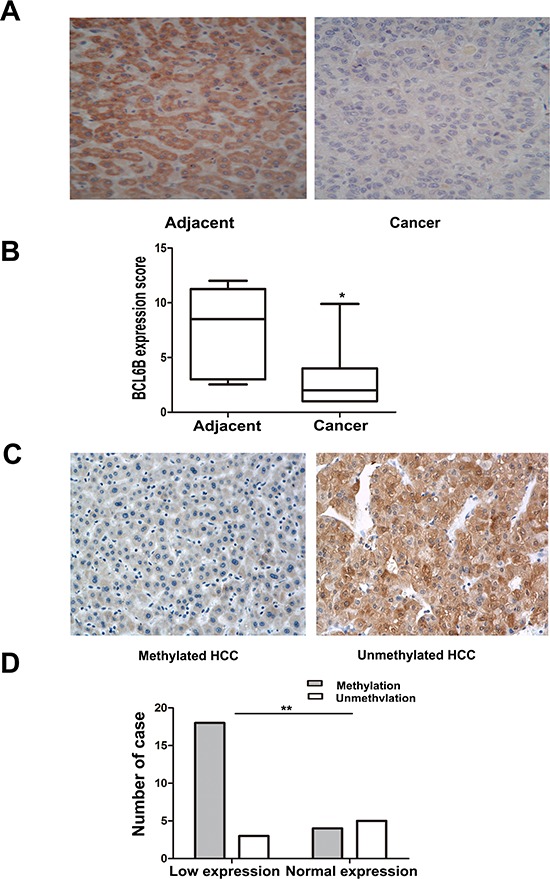
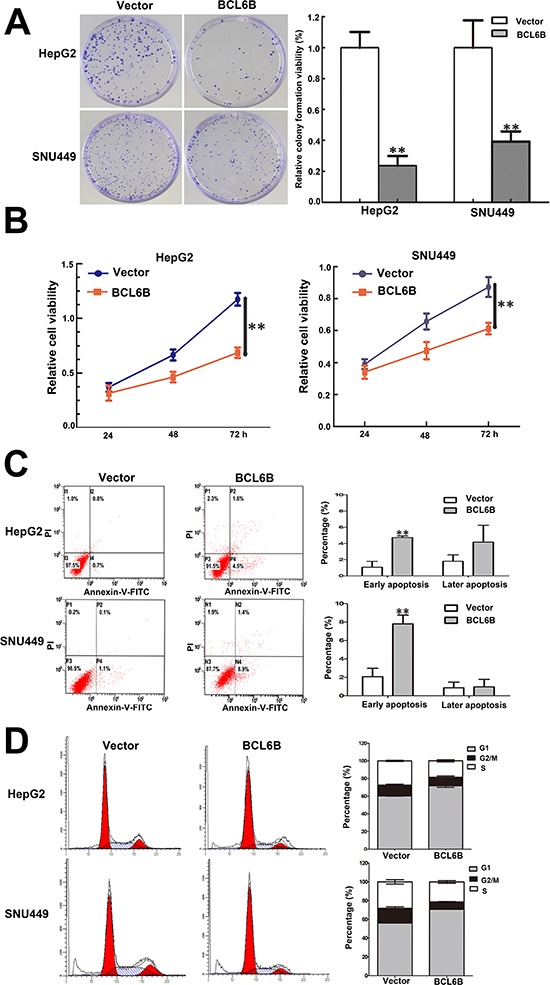
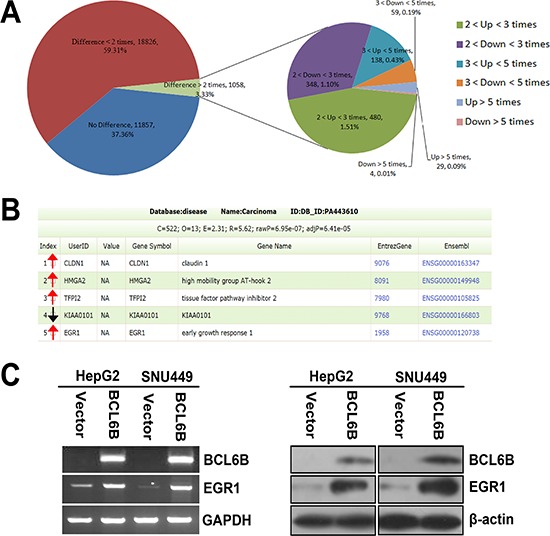
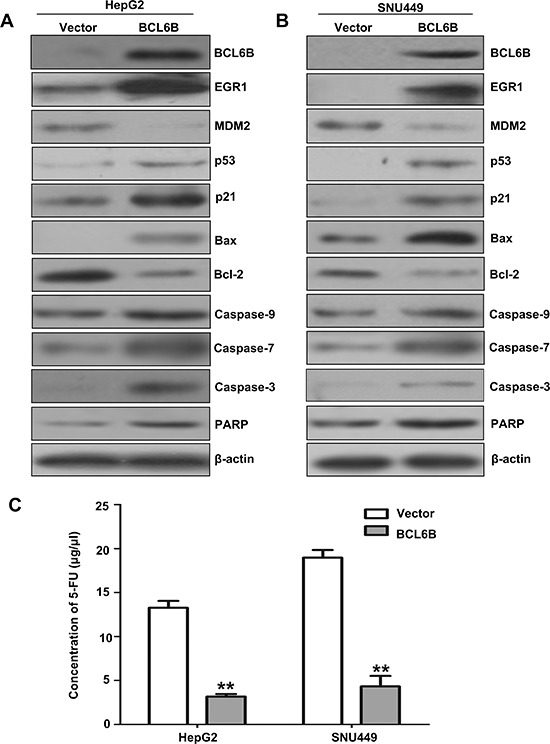
BCL6B is a potential tumor suppressor in human gastric cancer, but the regulation and mechanism of BCL6B in human hepatocellular carcinogenesis remain unclear. This study is to explore the epigenetic change and mechanism of BCL6B in human hepatocellular carcinoma (HCC). Nineteen hepatic cancer cell lines, 50 cases of adjacent tissue and 149 cases of HCC samples were employed. BCL6B is methylated in 100% (19/19) of human HCC cell lines, 40.0% (20/50) of adjacent tissue samples and 86.6% (129/149) of primary cancer samples. Methylation of BCL6B is associated with HBV positive (p < 0.05). But no association was found with age, sex, tumor size, differentiation, TNM stage, recurrence and survival. Loss of BCL6B expression was found in 19 of completely methylated HCC cell lines. BCL6B was re-expressed after 5-aza-2'-deoxycytidine treatment. Restoration of BCL6B expression suppressed cell proliferation, induced apoptosis and G1/S arrest in HCC cells. The expression of EGR1, a key component of p53 signaling, was increased after re-expression BCL6B in HCC cells. Re-expression of BCL6B activated p53 signaling and sensitized HCC cells to 5-fluorouracil. BCL6B is frequently methylated in human HCC and the expression of BCL6B is regulated by promoter region hypermethylation. BCL6B activates p53 signaling by increasing EGR1 expression in HCC.
BCL6B是人类胃癌中一种潜在的肿瘤抑制因子,但BCL6B在人类肝细胞癌发生过程中的调控及机制仍不清楚。本研究旨在探讨BCL6B在人类肝细胞癌(HCC)中的表观遗传变化及机制。采用了19种肝癌细胞系、50例癌旁组织样本和149例HCC样本。BCL6B在100%(19/19)的人类HCC细胞系、40.0%(20/50)的癌旁组织样本和86.6%(129/149)的原发癌样本中发生甲基化。BCL6B甲基化与乙肝病毒阳性相关(p<0.05)。但未发现与年龄、性别、肿瘤大小、分化程度、TNM分期、复发及生存存在关联。在19种完全甲基化的HCC细胞系中发现BCL6B表达缺失。经5-氮杂-2'-脱氧胞苷处理后BCL6B重新表达。BCL6B表达的恢复抑制了HCC细胞的增殖,诱导了细胞凋亡及G1/S期阻滞。在HCC细胞中重新表达BCL6B后,p53信号通路的关键成分EGR1的表达增加。BCL6B的重新表达激活了p53信号通路,并使HCC细胞对5-氟尿嘧啶敏感。BCL6B在人类HCC中频繁发生甲基化,且BCL6B的表达受启动子区域高甲基化调控。BCL6B通过增加HCC中EGR1的表达来激活p53信号通路。