Kliewer Kara L, Ke Jia-Yu, Lee Hui-Young, Stout Michael B, Cole Rachel M, Samuel Varman T, Shulman Gerald I, Belury Martha A
Department of Human Sciences, College of Education and Human Ecology, The Ohio State University, Columbus, OH 43210, USA.
Laboratory of Mitochondria and Metabolic Diseases/ Korea Mouse Metabolic Phenotyping Center, Lee Gil Ya Cancer and Diabetes Institute/ Molecular Medicine, Gachon University Graduate School of Medicine, Incheon 406-840, Korea.
J Nutr Biochem. 2015 Jul;26(7):721-8. doi: 10.1016/j.jnutbio.2015.01.010. Epub 2015 Mar 13.
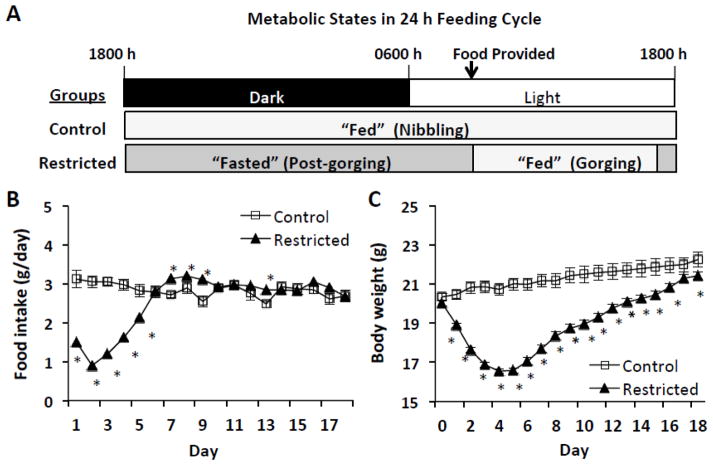
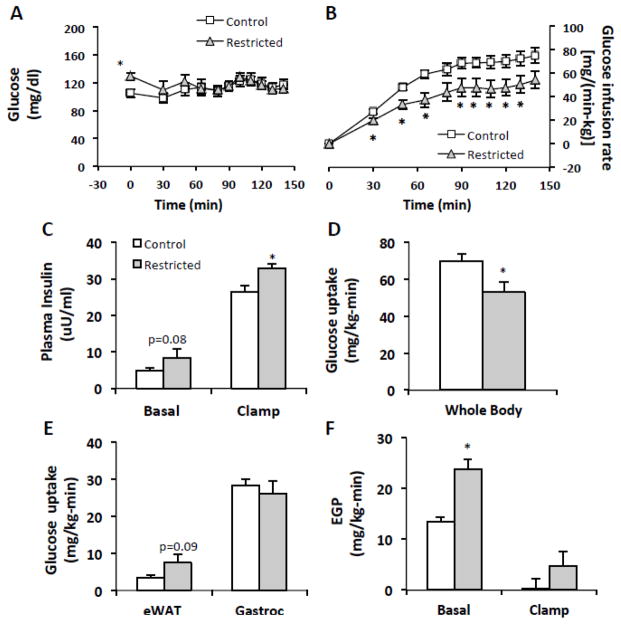
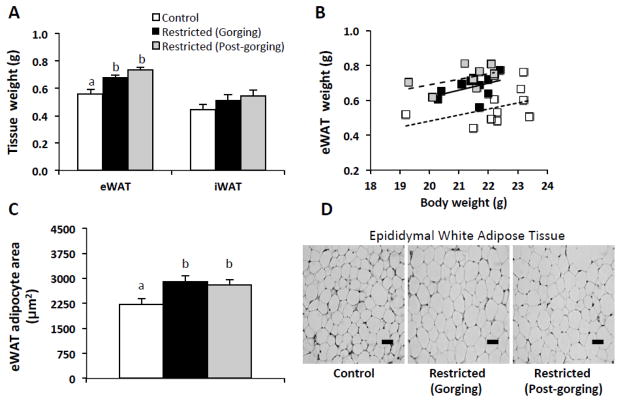
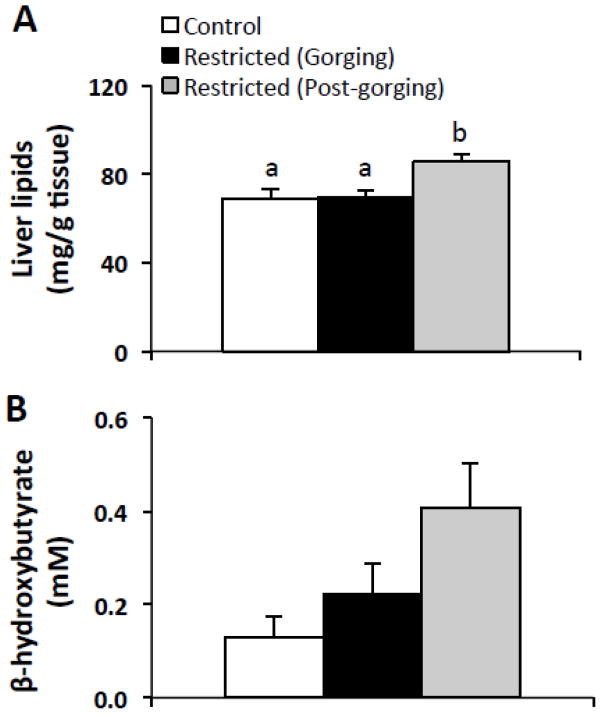
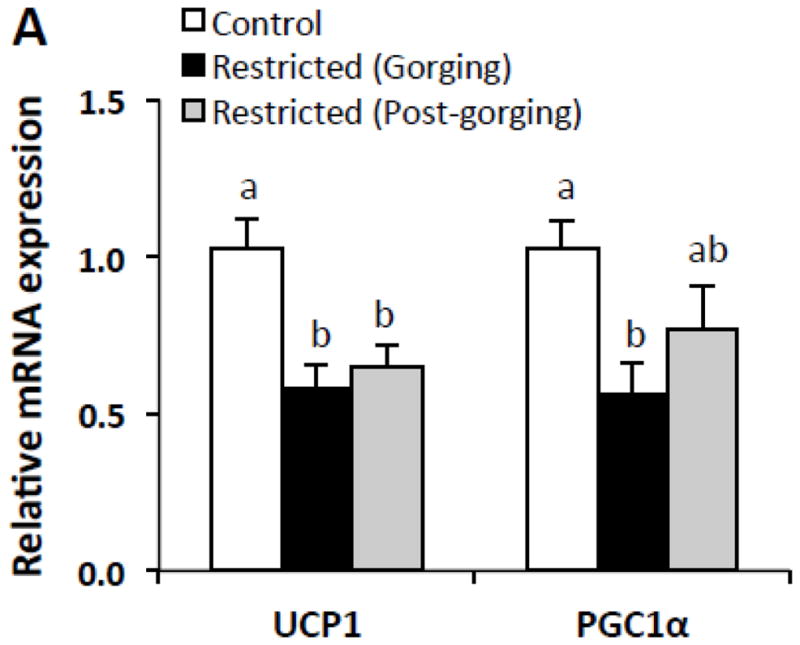
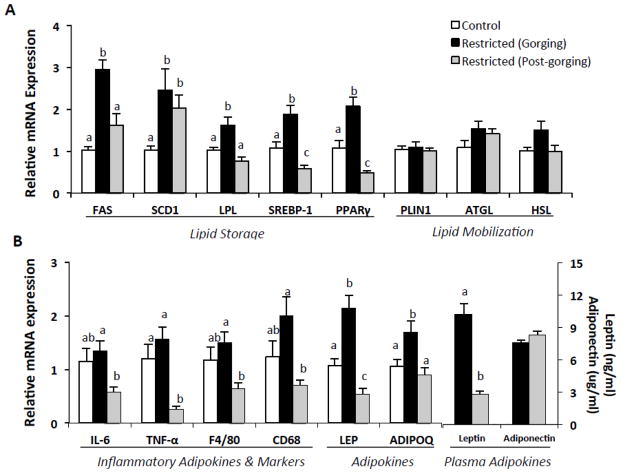
Rodents are commonly used in food restriction refeeding studies to investigate weight regain. Mice that are rationed food every 24 h may consume all allocated food in a short time (gorge) and therefore undergo a brief well-fed period followed by an extended fasted period until the next day's food allotment. These exaggerated metabolic states are not typical in mice fed ad libitum (nibbling). The aim of the current study was to elucidate the intraday and cumulative metabolic consequences of gorging (induced by food restriction) in mice during controlled refeeding. Accordingly, following a temporary food restriction, mice were fed rations similar to intakes of controls fed ad libitum. Temporary food restriction initiated gorging behavior that persisted during refeeding; consequently, metabolism-related measurements were obtained in the gorging mice during their daily fed and fasted metabolic states. Robust differences in adipose tissue lipogenic and inflammatory gene expression were found in the gorging mice by metabolic state (fed versus fasted). Additionally, despite a reduced cumulative food intake compared to mice fed ad libitum, restriction-induced gorging mice had increased intraabdominal fat accumulation, diminished hepatic and peripheral insulin sensitivity, and a gene expression profile favoring lipid deposition. Our findings highlight the intraday differences in gene expression in gorging mice before and after feeding that confound comparisons with mice fed ad libitum, or nibbling. The present study also provides evidence that weight regain following food restriction is associated with cumulative metabolic and behavioral abnormalities in mice.
啮齿动物常用于食物限制再喂养研究以探究体重恢复情况。每24小时定量喂食的小鼠可能会在短时间内吃光所有分配的食物(狼吞虎咽),因此会经历一段短暂的饱食期,随后是一段较长的禁食期,直到第二天分配食物。这些夸张的代谢状态在自由采食(小口进食)的小鼠中并不典型。本研究的目的是阐明在受控再喂养期间小鼠因食物限制引发的狼吞虎咽行为所导致的日内和累积代谢后果。因此,在经历临时食物限制后,给小鼠喂食的量与自由采食的对照组摄入量相似。临时食物限制引发了再喂养期间持续存在的狼吞虎咽行为;因此,在狼吞虎咽的小鼠处于每日进食和禁食代谢状态时获取了与代谢相关的测量数据。通过代谢状态(进食与禁食)发现,狼吞虎咽的小鼠脂肪组织脂肪生成和炎症基因表达存在显著差异。此外,尽管与自由采食的小鼠相比累积食物摄入量减少,但食物限制诱导的狼吞虎咽小鼠腹部脂肪堆积增加、肝脏和外周胰岛素敏感性降低,且基因表达谱有利于脂质沉积。我们的研究结果突出了狼吞虎咽的小鼠在进食前后基因表达的日内差异,这使得与自由采食或小口进食的小鼠进行比较变得复杂。本研究还提供了证据表明食物限制后的体重恢复与小鼠累积的代谢和行为异常有关。