Schuster Anne L, Frick Kevin D, Huh Bo-Yun, Kim Kim B, Kim Miyong, Han Hae-Ra
J Health Care Poor Underserved. 2015 May;26(2):431-40. doi: 10.1353/hpu.2015.0050.
The study's objectives were to calculate the costs and evaluate the cost-effectiveness of implementing a health literacy-focused intervention to promote breast and cervical cancer screenings among Korean American women overdue for these tests.
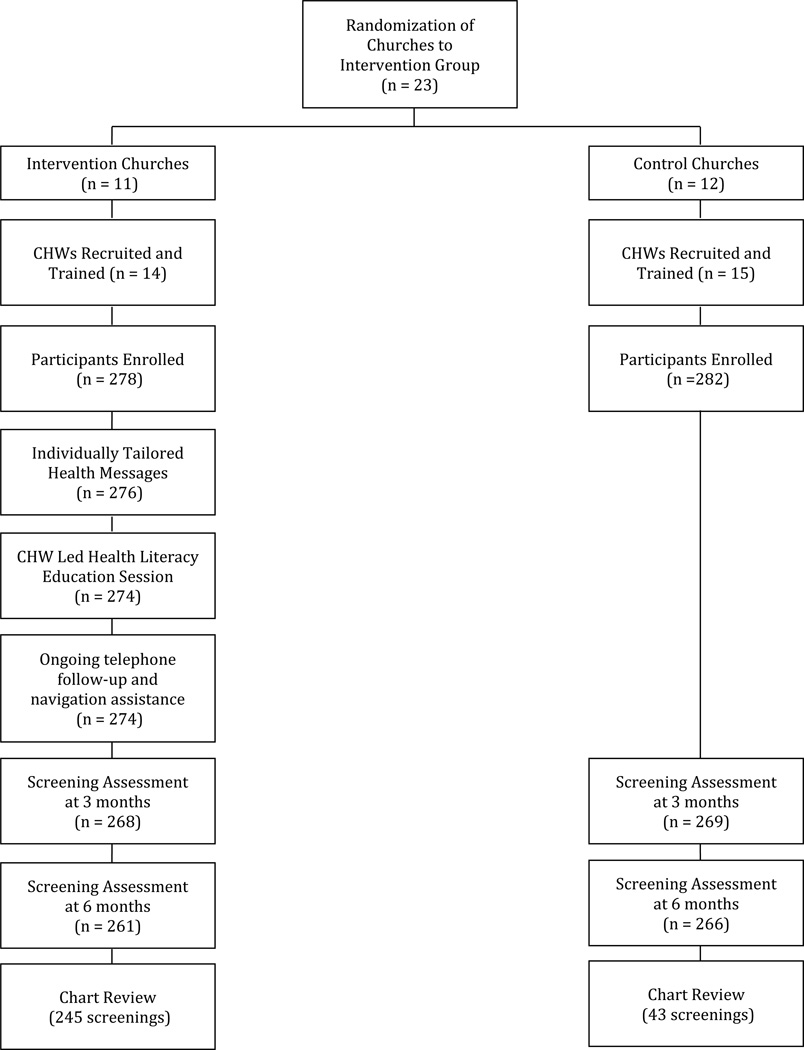
Researchers estimated the costs of a cluster-randomized controlled trial that evaluated this intervention. Effectiveness was measured as the number of breast or cervical cancer screenings received by women in either the intervention and control arms of the study. Cost-effectiveness was calculated as the incremental cost of each additional screening received by the intervention group.
Comparing the intervention and control group, the incremental cost-effectiveness ratio was estimated to be US$236 per screening, without program development costs.
These findings suggest this program, when compared with others, offered a more cost-effective approach for promoting cancer screening. Local health officials could use this information to guide decisions about reducing cancer disparities among recent immigrant women.
本研究的目的是计算实施一项以健康素养为重点的干预措施的成本,并评估其成本效益,该干预措施旨在促进韩裔美国女性进行乳腺癌和宫颈癌筛查,这些女性已逾期未进行这些检查。
研究人员估算了一项评估该干预措施的整群随机对照试验的成本。有效性通过研究干预组和对照组中女性接受的乳腺癌或宫颈癌筛查次数来衡量。成本效益计算为干预组每增加一次筛查的增量成本。
比较干预组和对照组,在不考虑项目开发成本的情况下,估计每次筛查的增量成本效益比为236美元。
这些研究结果表明,与其他项目相比,该项目为促进癌症筛查提供了一种更具成本效益的方法。当地卫生官员可以利用这些信息来指导有关减少新移民女性癌症差异的决策。