Yamamoto Takamichi
Comprehensive Epilepsy Center, Seirei Hamamatsu General Hospital.
Neurol Med Chir (Tokyo). 2015;55(5):407-15. doi: 10.2176/nmc.ra.2014-0405. Epub 2015 Apr 28.
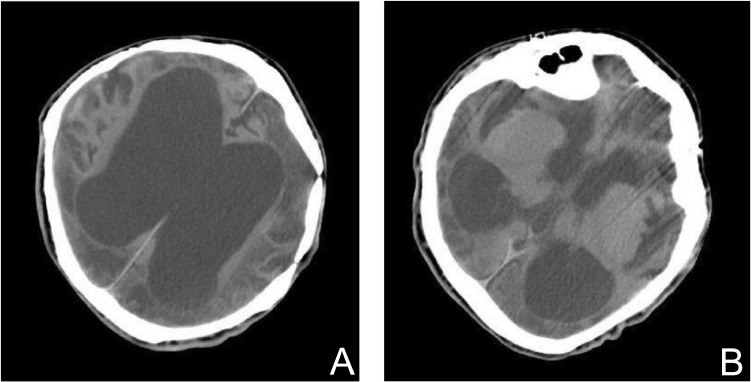
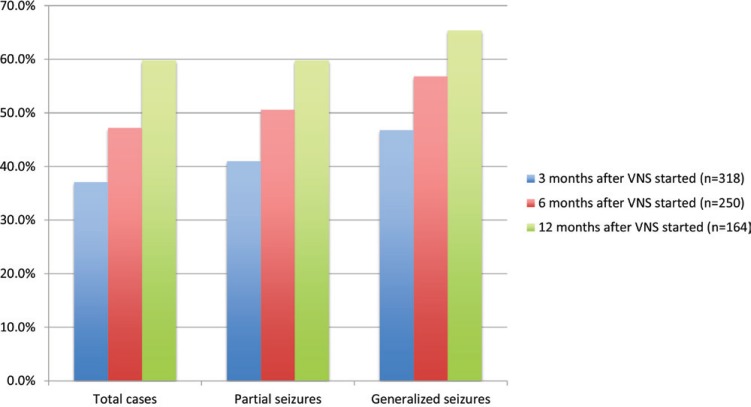
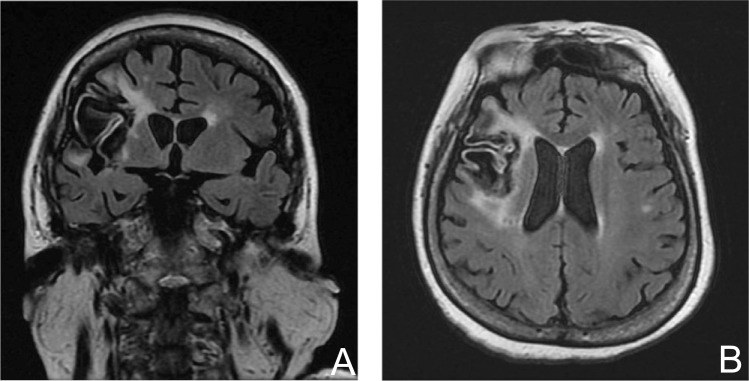
Vagus nerve stimulation (VNS) provides palliation of seizure reduction for patients with medically refractory epilepsy. VNS is indicated for symptomatic localization-related epilepsy with multiple and bilateral independent foci, symptomatic generalized epilepsy with diffuse epileptogenic abnormalities, refractory idiopathic generalized epilepsy, failed intracranial epilepsy surgery, and other several reasons of contraindications to epilepsy surgery. Programing of the parameters is a principal part in VNS. Output current and duty cycle should be adjusted to higher settings particularly when a patient does not respond to the initial setting, since the pivotal randomized trials performed in the United States demonstrated high stimulation made better responses in seizure frequency. These trials revealed that a ≥ 50% seizure reduction occurred in 36.8% of patients at 1 year, in 43.2% at 2 years, and in 42.7% at 3 years in 440 patients. Safety of VNS was also confirmed because side effects including hoarseness, throat discomfort, cough, paresthesia, and headache improved progressively during the period of 3 years. The largest retrospective study with 436 patients demonstrated the mean seizure reduction of 55.8% in nearly 5 years, and also found 75.5% at 10 years in 65 consecutive patients. The intermediate analysis report of the Japan VNS Registry showed that 60% of 164 cases got a ≥ 50% seizure reduction in 12 months. In addition to seizure reduction, VNS has positive effects in mood and improves energy level, memory difficulties, social aspects, and fear of seizures. VNS is an effective and safe option for patients who are not suitable candidates for intracranial epilepsy surgery.
迷走神经刺激术(VNS)可为药物难治性癫痫患者减轻癫痫发作。VNS适用于有多个双侧独立病灶的症状性局灶性相关性癫痫、有弥漫性致痫异常的症状性全身性癫痫、难治性特发性全身性癫痫、颅内癫痫手术失败以及癫痫手术存在其他多种禁忌证的情况。参数设置是VNS的主要部分。尤其当患者对初始设置无反应时,应将输出电流和占空比调整到更高设置,因为在美国进行的关键随机试验表明,高强度刺激在癫痫发作频率方面有更好的反应。这些试验显示,440例患者中,1年时36.8%的患者癫痫发作减少≥50%,2年时为43.2%,3年时为42.7%。VNS的安全性也得到了证实,因为包括声音嘶哑、喉咙不适、咳嗽、感觉异常和头痛在内的副作用在3年期间逐渐改善。一项对436例患者的最大规模回顾性研究表明,近5年癫痫发作平均减少55.8%,在连续65例患者中,10年时癫痫发作减少率为75.5%。日本VNS注册研究的中期分析报告显示,164例患者中有60%在12个月内癫痫发作减少≥50%。除了减少癫痫发作外,VNS对情绪有积极影响,并能改善精力水平、记忆障碍、社交方面以及对癫痫发作的恐惧。对于不适合进行颅内癫痫手术的患者,VNS是一种有效且安全的选择。