Stapley Ryan, Rodriguez Cilina, Oh Joo-Yeun, Honavar Jaideep, Brandon Angela, Wagener Brant M, Marques Marisa B, Weinberg Jordan A, Kerby Jeffrey D, Pittet Jean-Francois, Patel Rakesh P
Department of Pathology, University of Alabama at Birmingham, Birmingham, AL 35294, USA.
Department of Surgery, University of Alabama at Birmingham, Birmingham, AL 35294, USA.
Free Radic Biol Med. 2015 Aug;85:207-18. doi: 10.1016/j.freeradbiomed.2015.04.025. Epub 2015 Apr 29.
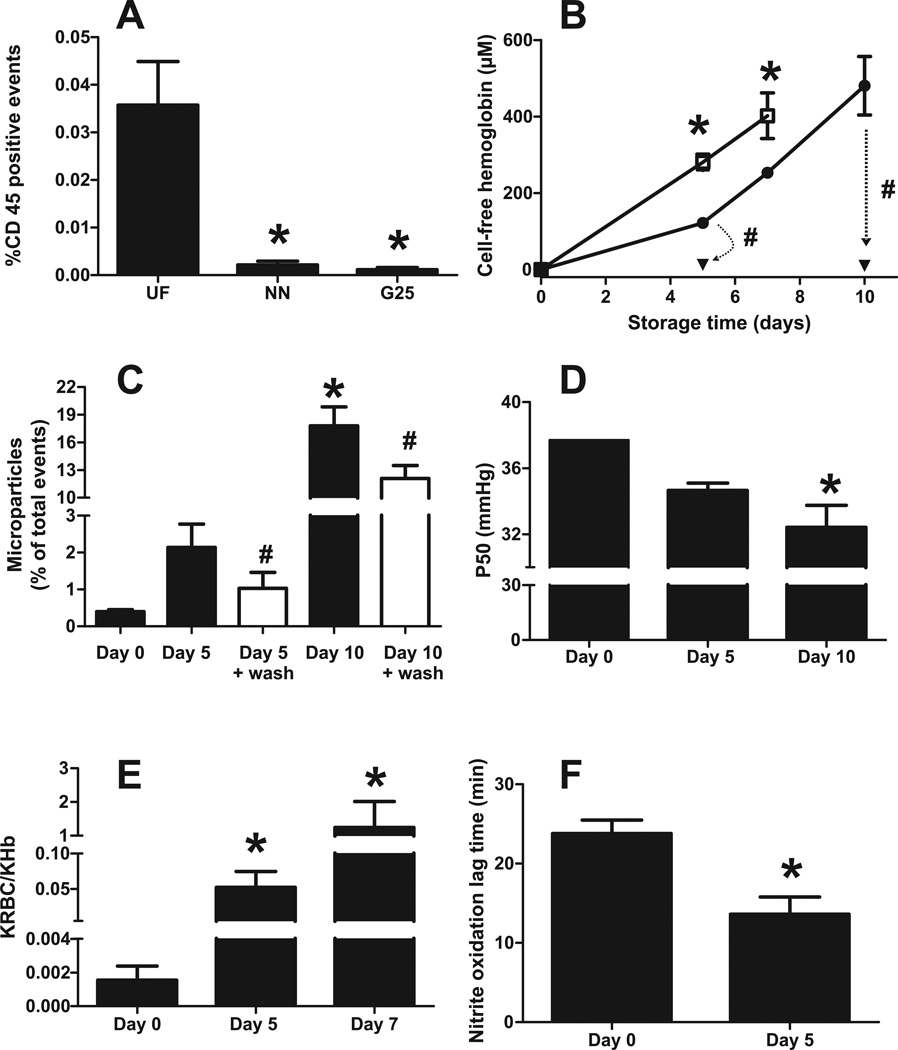
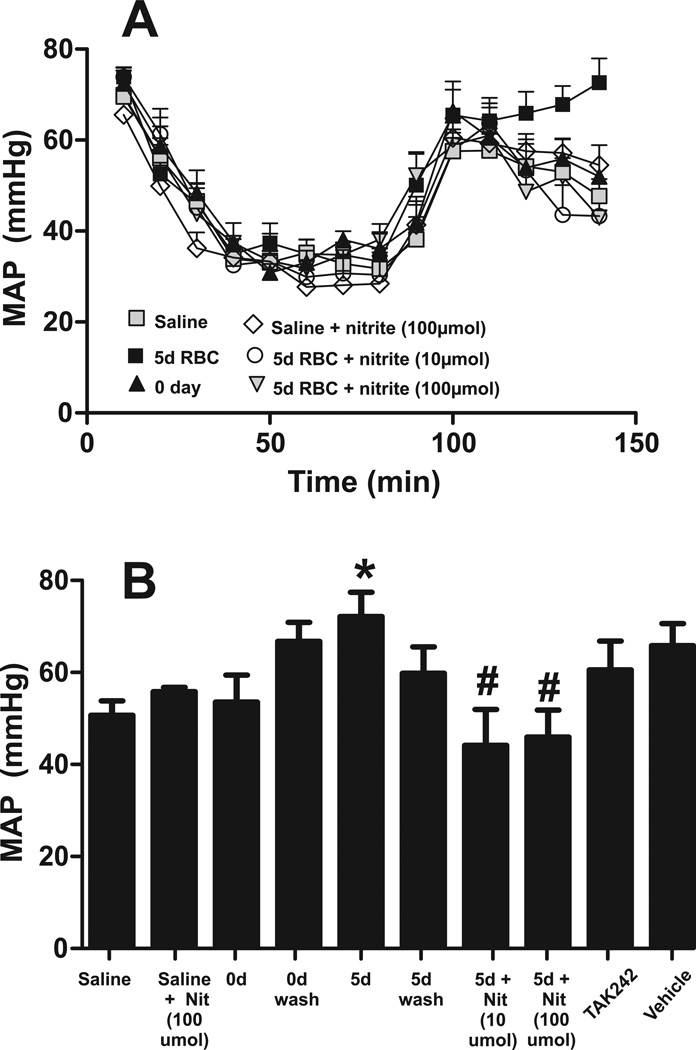
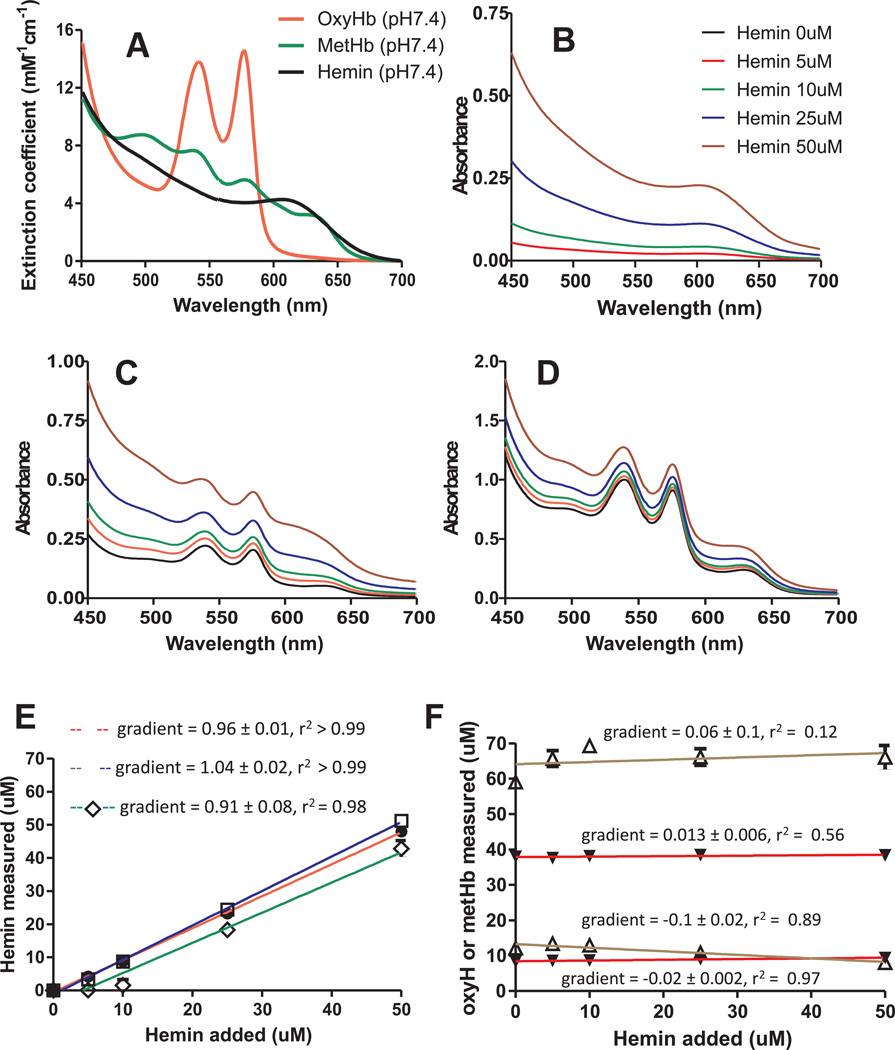
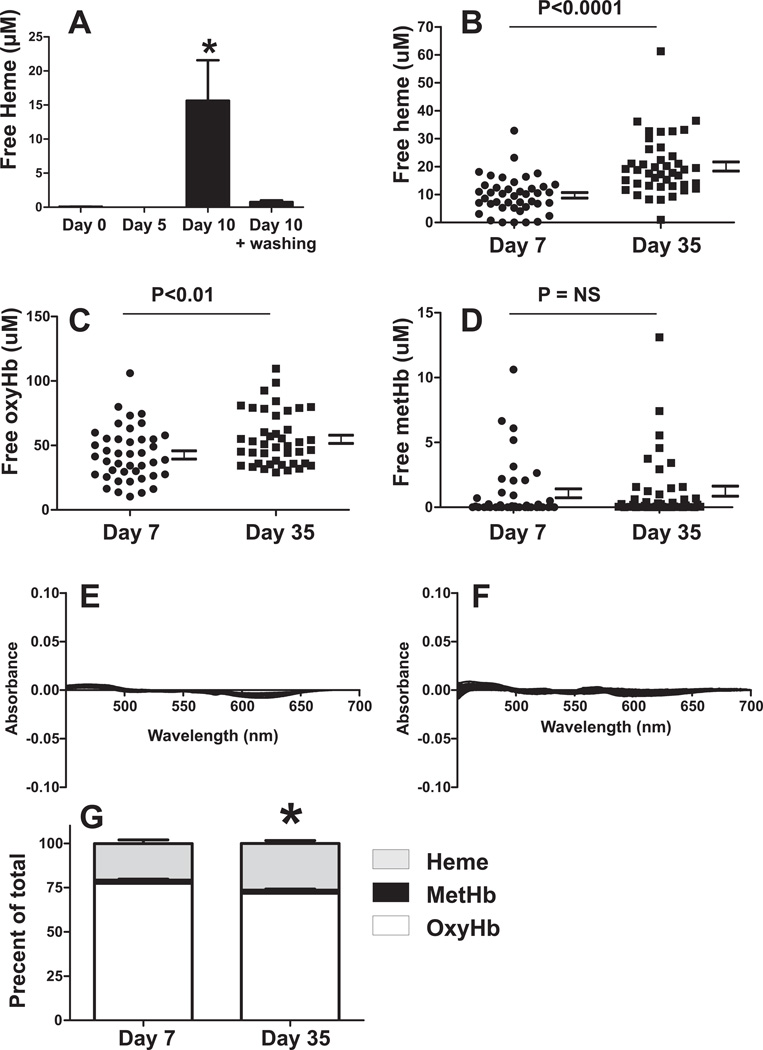
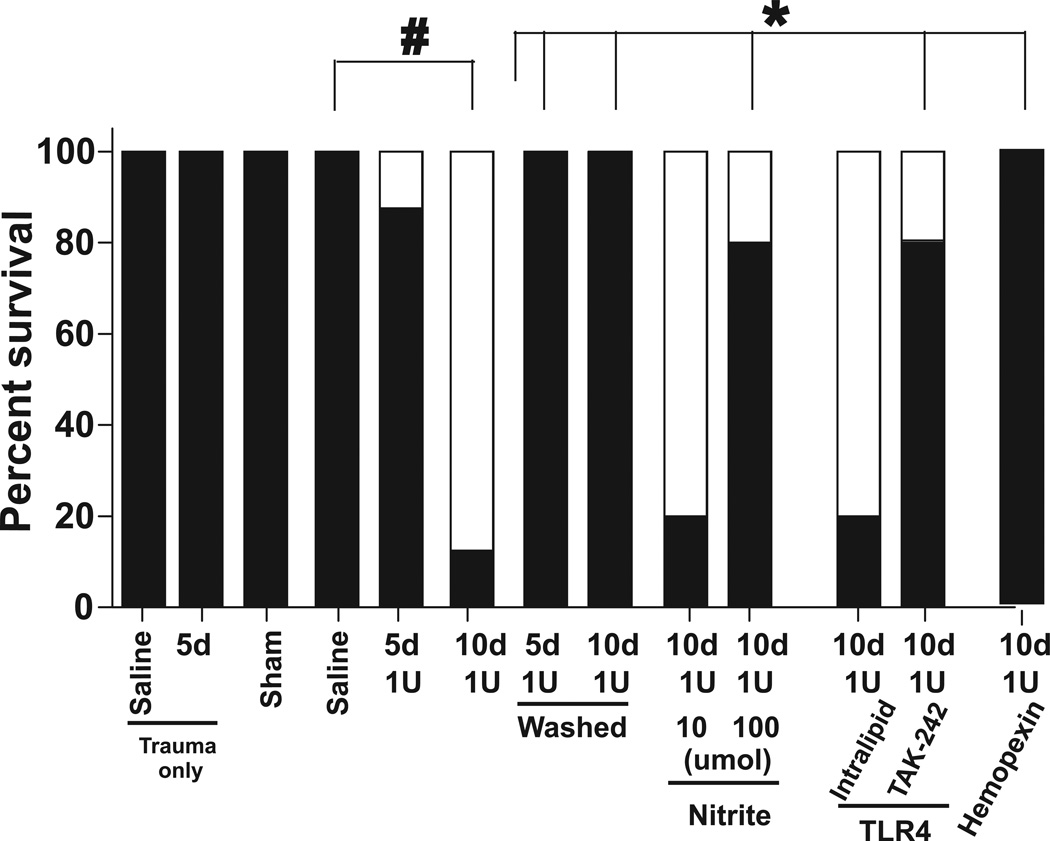
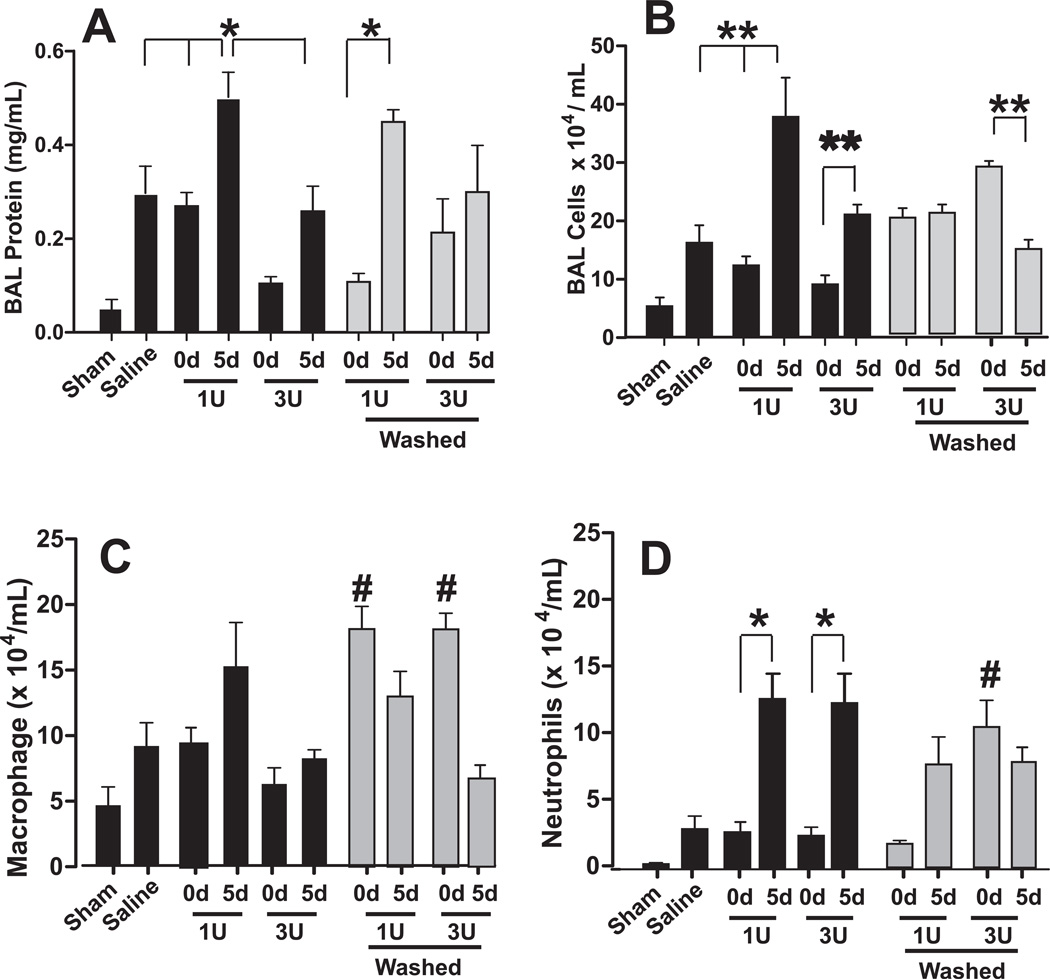
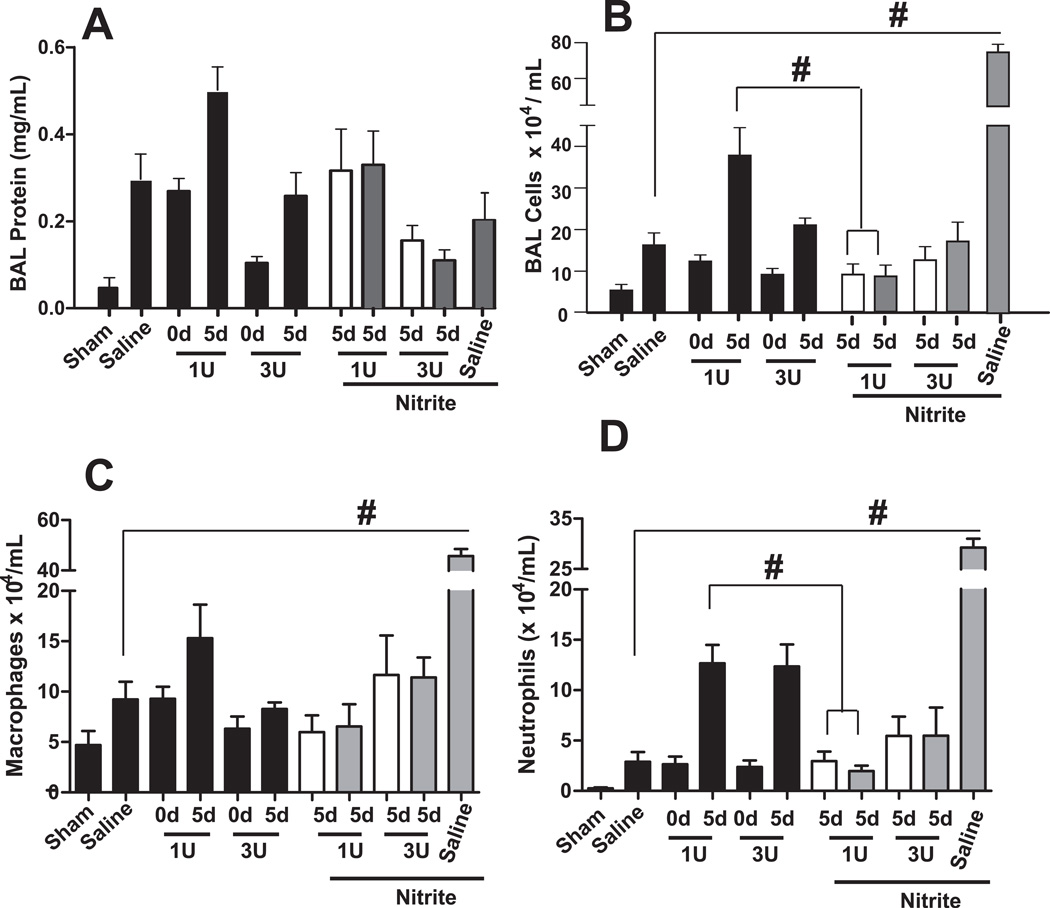
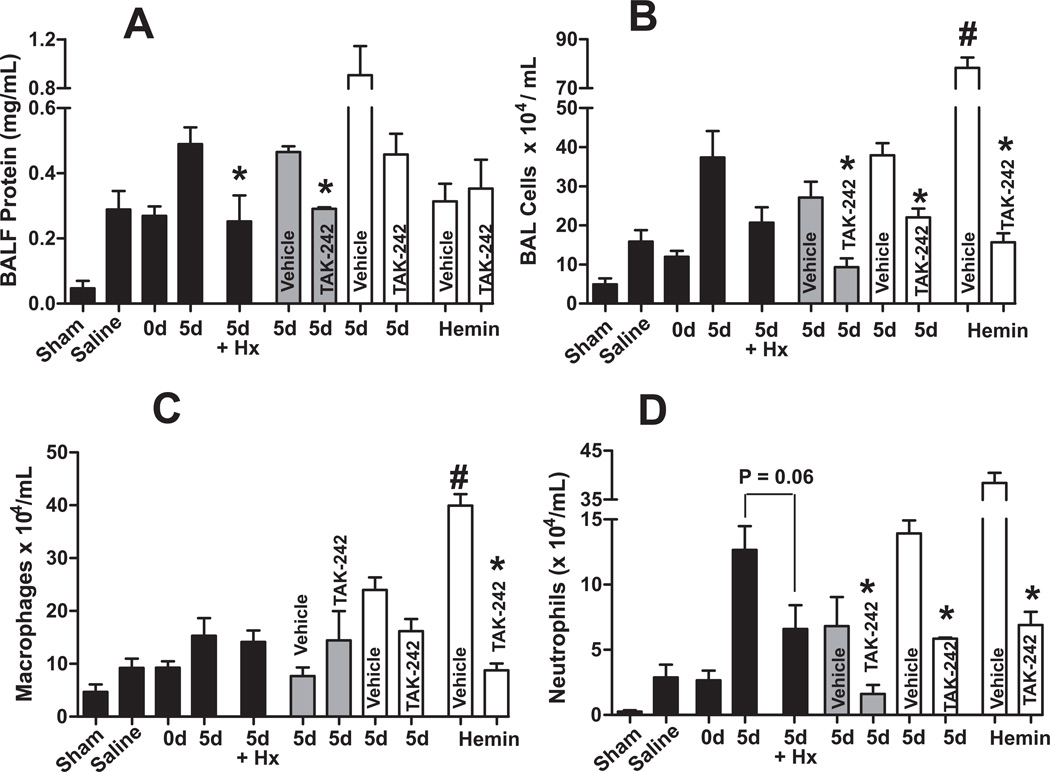
Transfusion of stored red blood cells (RBCs) is associated with increased morbidity and mortality in trauma patients. Pro-oxidant, pro-inflammatory, and nitric oxide (NO) scavenging properties of stored RBCs are thought to underlie this association. In this study we determined the effects of RBC washing and nitrite and antiheme therapy on stored RBC-dependent toxicity in the setting of trauma-induced hemorrhage. A murine (C57BL/6) model of trauma-hemorrhage and resuscitation with 1 or 3 units of RBCs stored for 0-10 days was used. Tested variables included washing RBCs to remove lower MW components that scavenge NO, NO-repletion therapy using nitrite, or mitigation of free heme toxicity by heme scavenging or preventing TLR4 activation. Stored RBC toxicity was determined by assessment of acute lung injury indices (airway edema and inflammation) and survival. Transfusion with 5 day RBCs increased acute lung injury indexed by BAL protein and neutrophil accumulation. Washing 5 day RBCs prior to transfusion did not decrease this injury, whereas nitrite therapy did. Transfusion with 10 day RBCs elicited a more severe injury resulting in ~90% lethality, compared to <15% with 5 day RBCs. Both washing and nitrite therapy significantly protected against 10 day RBC-induced lethality, suggesting that washing may be protective when the injury stimulus is more severe. Finally, a spectral deconvolution assay was developed to simultaneously measure free heme and hemoglobin in stored RBC supernatants, which demonstrated significant increases of both in stored human and mouse RBCs. Transfusion with free heme partially recapitulated the toxicity mediated by stored RBCs. Furthermore, inhibition of TLR4 signaling, which is stimulated by heme, using TAK-242, or hemopexin-dependent sequestration of free heme significantly protected against both 5 day and 10 day mouse RBC-dependent toxicity. These data suggest that RBC washing, nitrite therapy, and/or antiheme and TLR4 strategies may prevent stored RBC toxicities.
输注储存的红细胞(RBC)与创伤患者发病率和死亡率增加相关。储存RBC的促氧化、促炎和一氧化氮(NO)清除特性被认为是这种关联的基础。在本研究中,我们确定了红细胞洗涤、亚硝酸盐和抗血红素疗法对创伤性出血情况下储存RBC依赖性毒性的影响。使用了小鼠(C57BL/6)创伤性出血和复苏模型,输注1或3单位储存0 - 10天的RBC。测试变量包括洗涤RBC以去除清除NO的低分子量成分、使用亚硝酸盐进行NO补充疗法,或通过血红素清除或防止TLR4激活减轻游离血红素毒性。通过评估急性肺损伤指标(气道水肿和炎症)和生存率来确定储存RBC的毒性。输注5天的RBC会增加以BAL蛋白和中性粒细胞积聚为指标的急性肺损伤。输血前洗涤5天的RBC并没有降低这种损伤,而亚硝酸盐疗法则可以。与5天的RBC相比,输注10天的RBC会引发更严重的损伤,导致约90%的死亡率,而5天的RBC死亡率<15%。洗涤和亚硝酸盐疗法都能显著预防10天RBC诱导的死亡,这表明当损伤刺激更严重时,洗涤可能具有保护作用。最后,开发了一种光谱解卷积分析法来同时测量储存RBC上清液中的游离血红素和血红蛋白,结果表明储存的人源和鼠源RBC中两者均显著增加。输注游离血红素部分重现了储存RBC介导的毒性。此外,使用TAK - 242抑制由血红素刺激的TLR4信号传导,或通过血红素结合蛋白依赖性螯合游离血红素,均能显著预防5天和10天鼠源RBC依赖性毒性。这些数据表明,红细胞洗涤、亚硝酸盐疗法和/或抗血红素及TLR4策略可能预防储存RBC的毒性。