Wang Xiaojuan, Li Yani, Xu Guanghui, Liu Muhan, Xue Lin, Liu Lijuan, Hu Sijun, Zhang Ying, Nie Yongzhan, Liang Shuhui, Wang Biaoluo, Ding Jie
State Key Laboratory of Cancer Biology and Xijing Hospital of Digestive Diseases, Xijing Hospital, Fourth Military Medical University, 127 Changle Western Road, Xi'an, 710032, China.
BMC Cancer. 2015 May 6;15:358. doi: 10.1186/s12885-015-1361-3.
Multidrug resistance (MDR) is a major obstacle to the treatment of gastric cancer (GC). Using a phage display approach, we previously obtained the peptide GMBP1, which specifically binds to the surface of MDR gastric cancer cells and is subsequently internalized. Furthermore, GMBP1 was shown to have the potential to reverse the MDR phenotype of gastric cancer cells, and GRP78 was identified as the receptor for this peptide. The present study aimed to investigate the mechanism of peptide GMBP1 and its receptor GRP78 in modulating gastric cancer MDR.
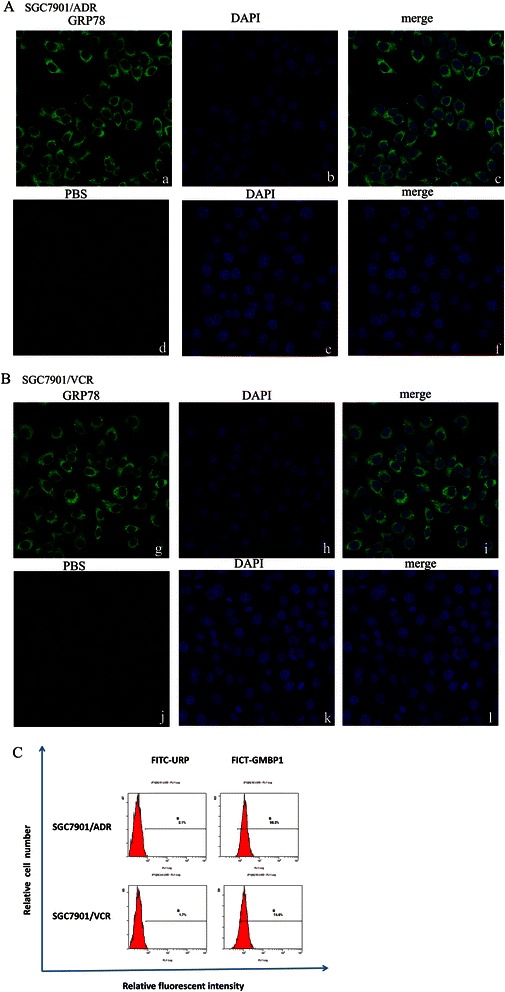
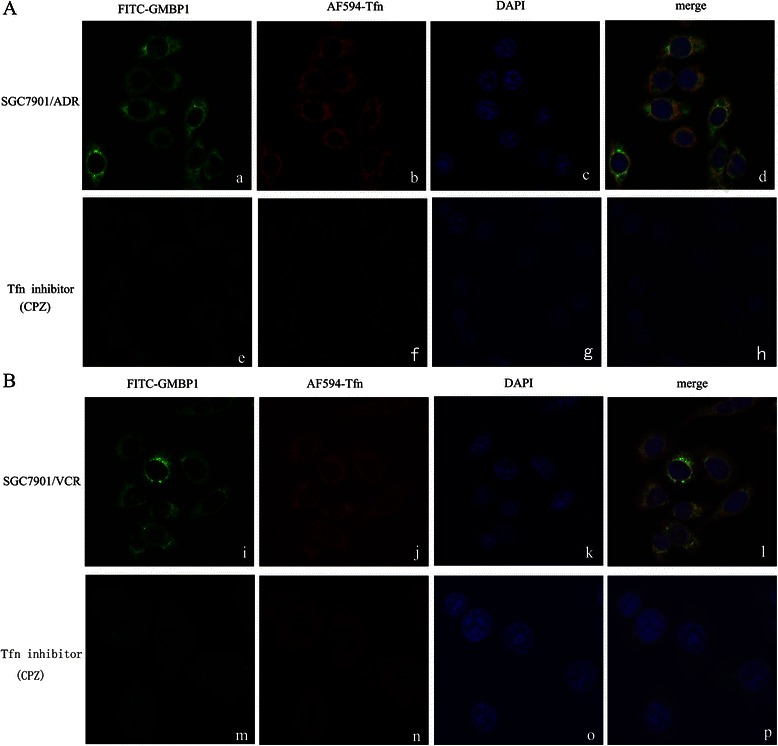
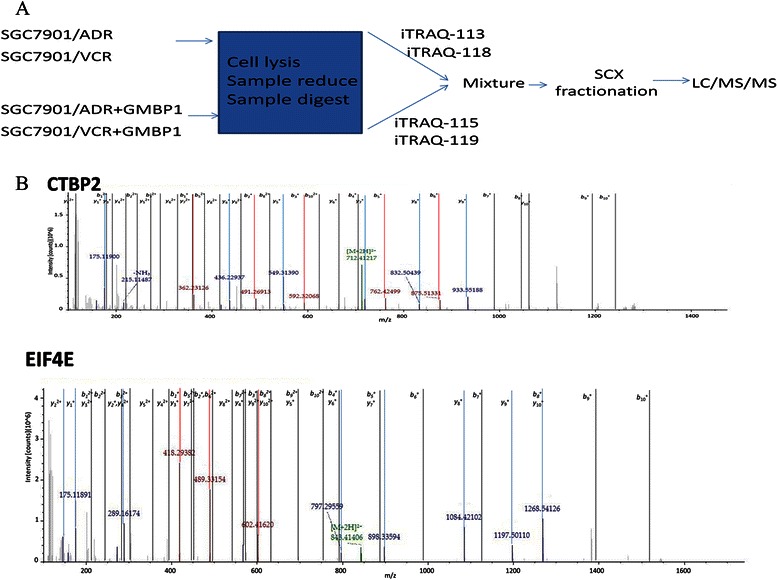
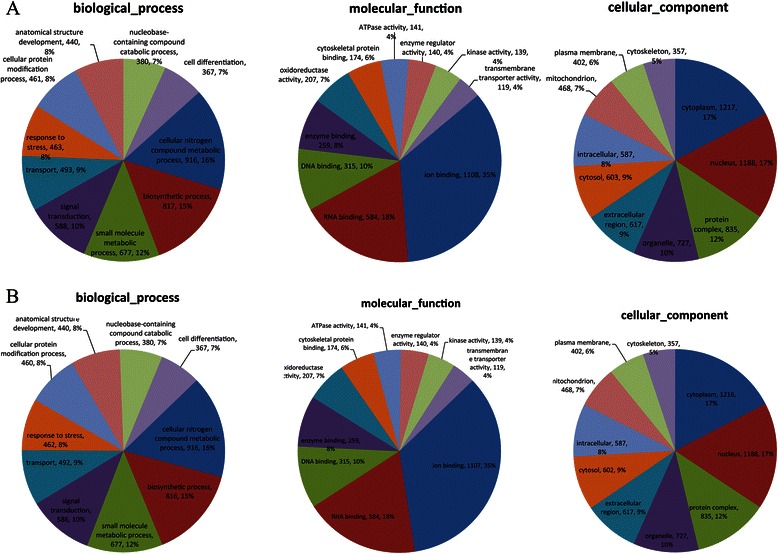
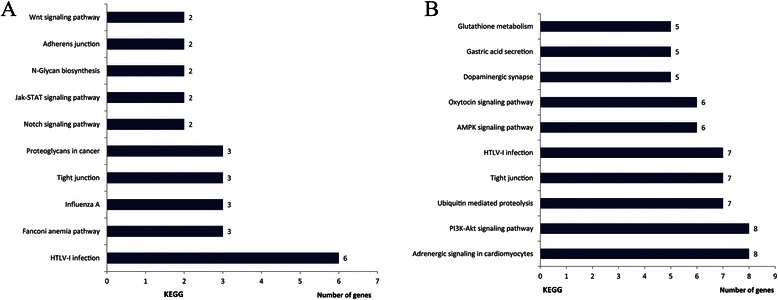
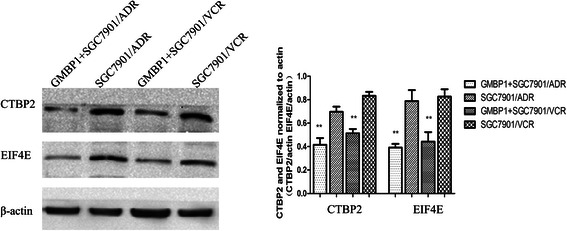
Fluorescence-activated cell sorting (FACS) and immunofluorescence staining were used to investigate the subcellular location and mechanism of GMBP1 internalization. iTRAQ was used to identify the MDR-associated downstream targets of GMBP1. Differentially expressed proteins were identified in GMBP1-treated compared to untreated SGC7901/ADR and SGC7901/VCR cells. GO and KEGG pathway analyses of the differentially expressed proteins revealed the interconnection of these proteins, the majority of which are involved in MDR. Two differentially expressed proteins were selected and validated by western blotting.
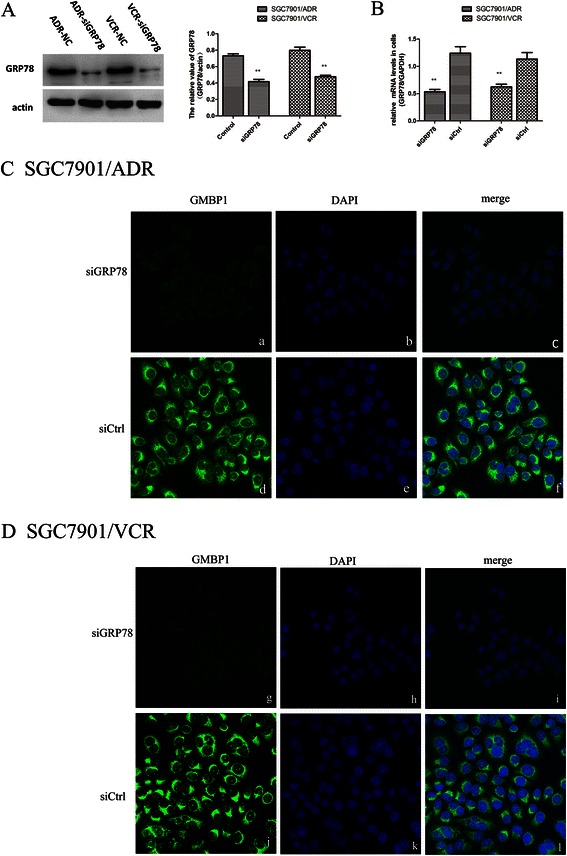
GMBP1 and its receptor GRP78 were found to be localized in the cytoplasm of GC cells, and GRP78 can mediate the internalization of GMBP1 into MDR cells through the transferrin-related pathway. In total, 3,752 and 3,749 proteins were affected in GMBP1-treated SGC7901/ADR and SGC7901/VCR cells, respectively, involving 38 and 79 KEGG pathways. Two differentially expressed proteins, CTBP2 and EIF4E, were selected and validated by western blotting.
This study explored the role and downstream mechanism of GMBP1 in GC MDR, providing insight into the role of endoplasmic reticulum stress protein GRP78 in the MDR of cancer cells.
多药耐药(MDR)是胃癌(GC)治疗的主要障碍。我们之前采用噬菌体展示方法获得了肽GMBP1,它能特异性结合多药耐药胃癌细胞表面并随后被内化。此外,GMBP1显示出具有逆转胃癌细胞多药耐药表型的潜力,并且GRP78被鉴定为该肽的受体。本研究旨在探讨肽GMBP1及其受体GRP78在调节胃癌多药耐药中的机制。
采用荧光激活细胞分选(FACS)和免疫荧光染色来研究GMBP1内化的亚细胞定位和机制。iTRAQ用于鉴定GMBP1的多药耐药相关下游靶点。在GMBP1处理的与未处理的SGC7901/ADR和SGC7901/VCR细胞中鉴定差异表达蛋白。对差异表达蛋白进行GO和KEGG通路分析揭示了这些蛋白的相互联系,其中大多数与多药耐药有关。选择两个差异表达蛋白并通过蛋白质印迹法进行验证。
发现GMBP1及其受体GRP78定位于GC细胞的细胞质中,并且GRP78可以通过转铁蛋白相关途径介导GMBP1进入多药耐药细胞。在GMBP1处理的SGC7901/ADR和SGC7901/VCR细胞中,分别共有3752和3749种蛋白质受到影响,涉及38和79条KEGG通路。选择两个差异表达蛋白CTBP2和EIF4E并通过蛋白质印迹法进行验证。
本研究探讨了GMBP1在胃癌多药耐药中的作用和下游机制,深入了解了内质网应激蛋白GRP78在癌细胞多药耐药中的作用。