MacKeben Manfred, Nair Unni K W, Walker Laura L, Fletcher Donald C
*PhD †MD The Smith-Kettlewell Eye Research Institute, San Francisco, California (MM, LLW, DCF); Frank Stein and Paul S. May Center for Low Vision Rehabilitation, Pacific Medical Center, San Francisco, California (UKWN, DCF); and Envision Inc, Wichita, Kansas (LLW, DCF).
Optom Vis Sci. 2015 Apr;92(4):421-8. doi: 10.1097/OPX.0000000000000548.
To evaluate the use of SKread, a vision test based on random word sequences that prevents the prediction of upcoming words by linguistic criteria and is simple to score in a clinical setting.
SKread combines the standardized format of the MNread test with sequences of random words and letters like the Pepper Visual Skills for Reading test. A total of 231 subjects (aged 16 to 97 years) participated. We report data from 136 eyes of subjects with a maculopathy and 65 with normal or near-normal vision. Test reliability was investigated on an additional 30 eye-healthy subjects. We tested visual acuity and reading performance for continuous text and random words monocularly. Reading speed and all errors made are reported.
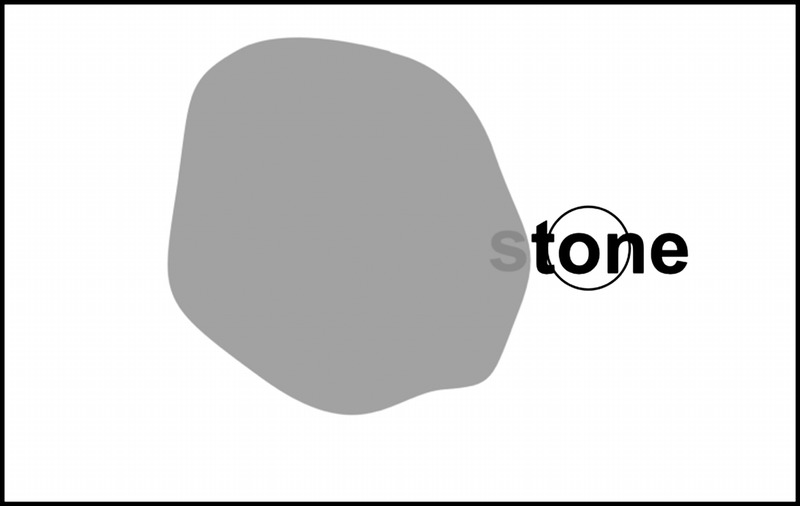
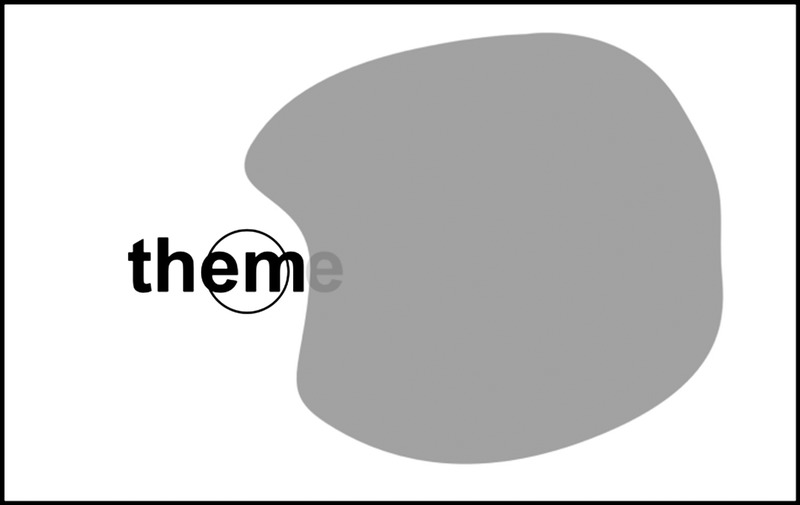
Reading speed was always higher for continuous text than for random word sequences, even in normally sighted subjects for whom the median reading times per paragraph were 2.4 s (MNread) vs. 6.8 s (SKread). In patients with maculopathies, the medians were 4.2 s vs. 12.25 s. These differences were statistically significant. Number and type of errors made depended only negligibly on age and visual acuity. Patients with a dense scotoma right of fixation made more "right errors" by missing letters at the end of words, whereas those with a scotoma left of fixation made more "left errors" by missing letters at the beginning of words. The SKread test showed good test-retest repeatability.
The unpredictability of random word and letter sequences renders reading performance highly dependent on eyesight and less dependent on reading skill and educational level. Recurrent right or left errors can indicate the presence and location of a scotoma without expensive equipment. This knowledge can be used to teach patients about how the scotoma can interfere with their vision.
评估SKread的使用情况。SKread是一种基于随机单词序列的视力测试,它能防止根据语言标准预测即将出现的单词,并且在临床环境中易于评分。
SKread将MNread测试的标准化格式与随机单词和字母序列相结合,类似于Pepper视觉阅读技能测试。共有231名受试者(年龄在16至97岁之间)参与。我们报告了136只患有黄斑病变的受试者眼睛的数据以及65只视力正常或接近正常的受试者眼睛的数据。在另外30名眼部健康的受试者身上研究了测试的可靠性。我们单眼测试了连续文本和随机单词的视力及阅读表现。报告了阅读速度和所有出现的错误。
连续文本的阅读速度总是高于随机单词序列,即使在视力正常的受试者中也是如此,他们每段的中位阅读时间分别为2.4秒(MNread)和6.8秒(SKread)。在患有黄斑病变的患者中,中位时间分别为4.2秒和12.25秒。这些差异具有统计学意义。所犯错误的数量和类型仅在很小程度上取决于年龄和视力。注视点右侧有致密暗点的患者由于单词末尾字母缺失而出现更多“右侧错误”,而注视点左侧有暗点的患者则由于单词开头字母缺失而出现更多“左侧错误”。SKread测试显示出良好的重测重复性。
随机单词和字母序列的不可预测性使得阅读表现高度依赖于视力,而较少依赖于阅读技能和教育水平。反复出现的右侧或左侧错误可以在不使用昂贵设备的情况下表明暗点的存在和位置。这些信息可用于教导患者暗点如何影响他们的视力。