Wong Pamela T, Leroueil Pascale R, Smith Douglas M, Ciotti Susan, Bielinska Anna U, Janczak Katarzyna W, Mullen Catherine H, Groom Jeffrey V, Taylor Erin M, Passmore Crystal, Makidon Paul E, O'Konek Jessica J, Myc Andrzej, Hamouda Tarek, Baker James R
Michigan Nanotechnology Institute for Medicine and Biological Sciences and Department of Internal Medicine, University of Michigan Medical School, Ann Arbor, Michigan, United States of America.
NanoBio Corporation, Ann Arbor, Michigan, United States of America.
PLoS One. 2015 May 11;10(5):e0126120. doi: 10.1371/journal.pone.0126120. eCollection 2015.
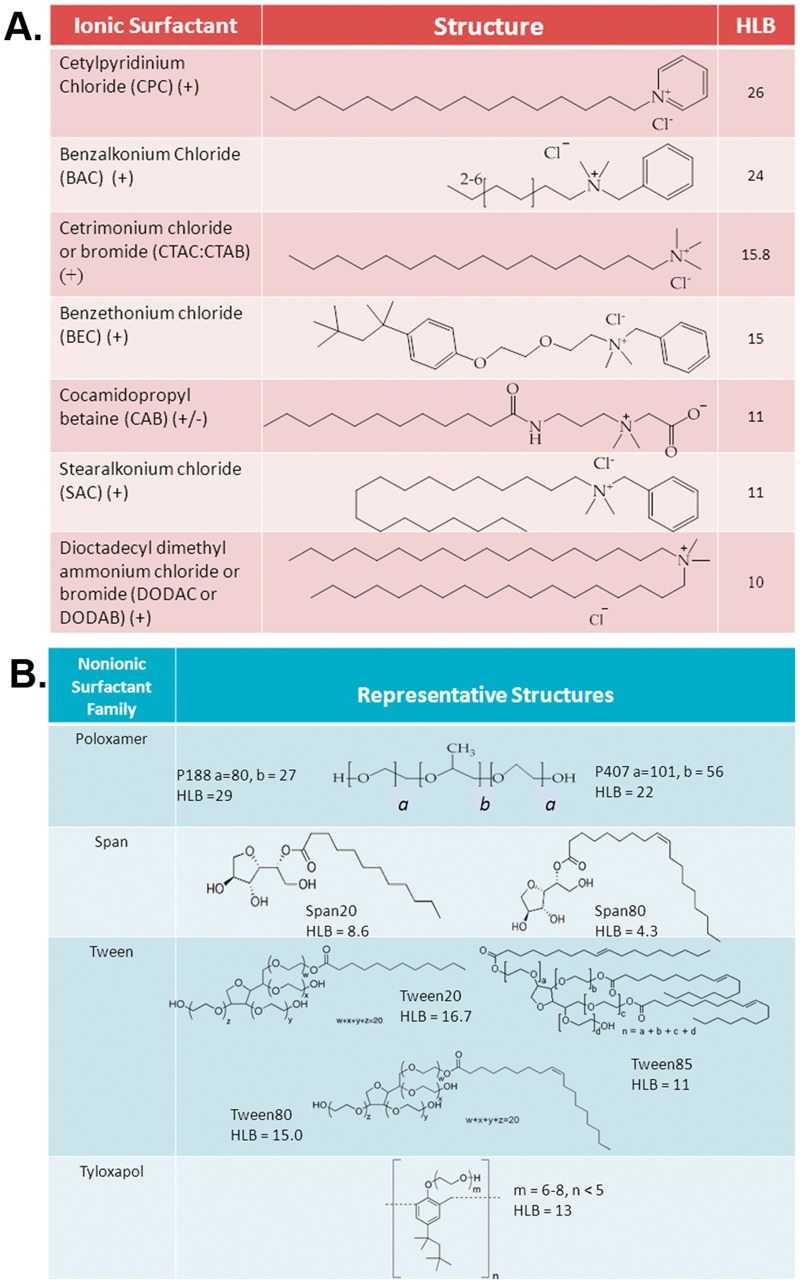
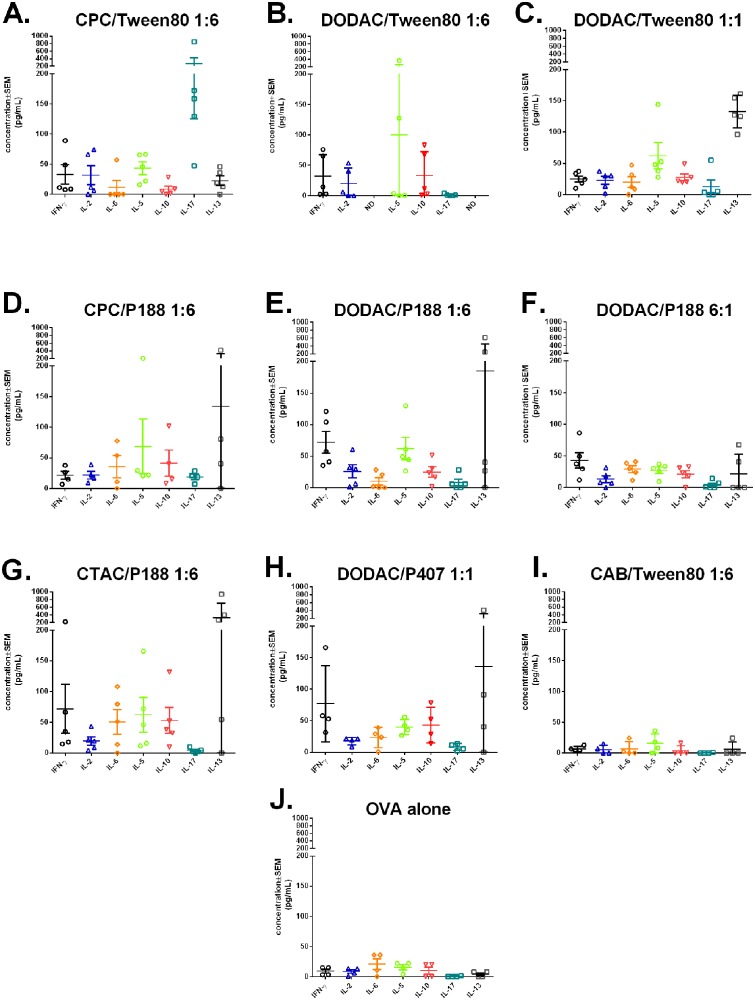
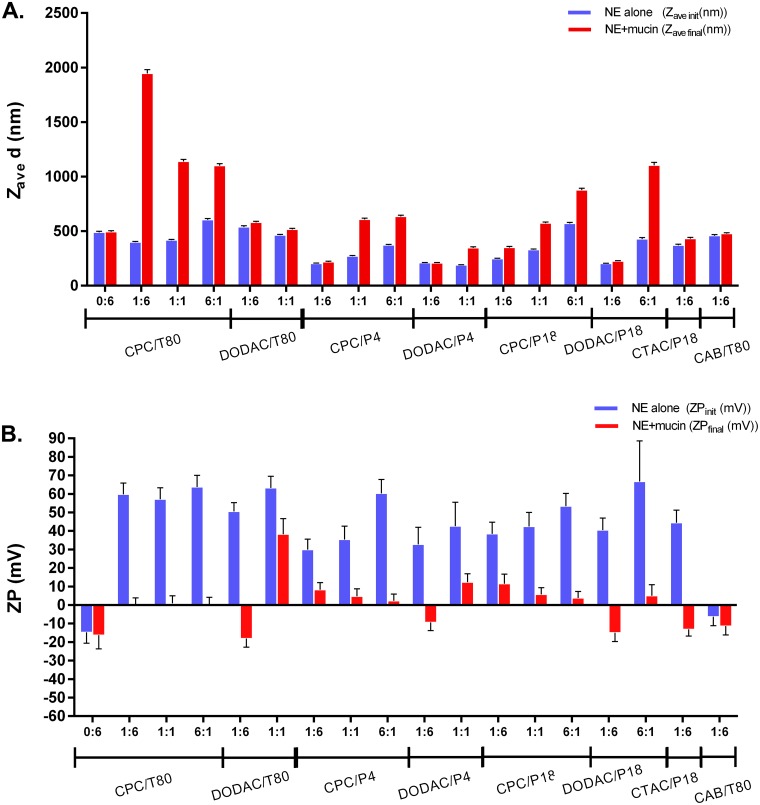
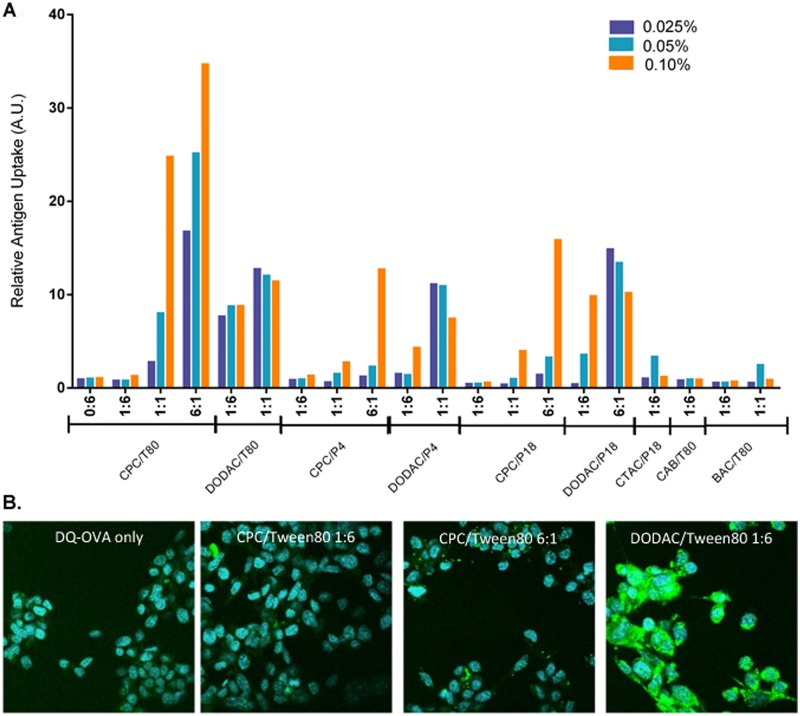
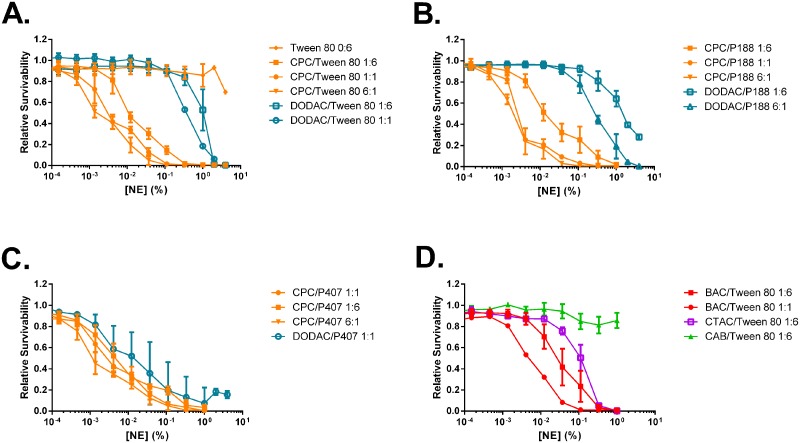
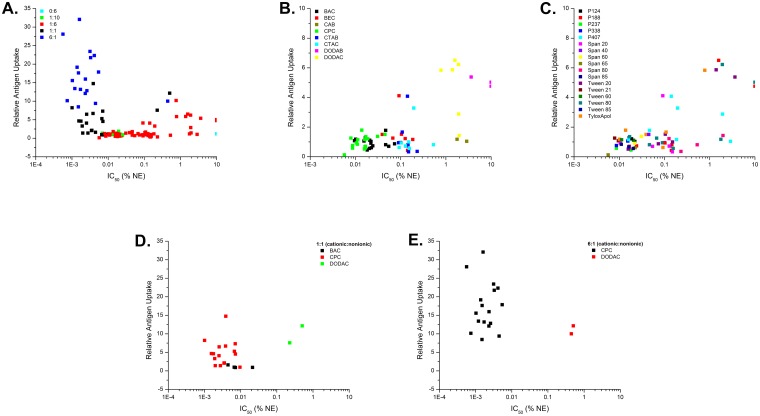
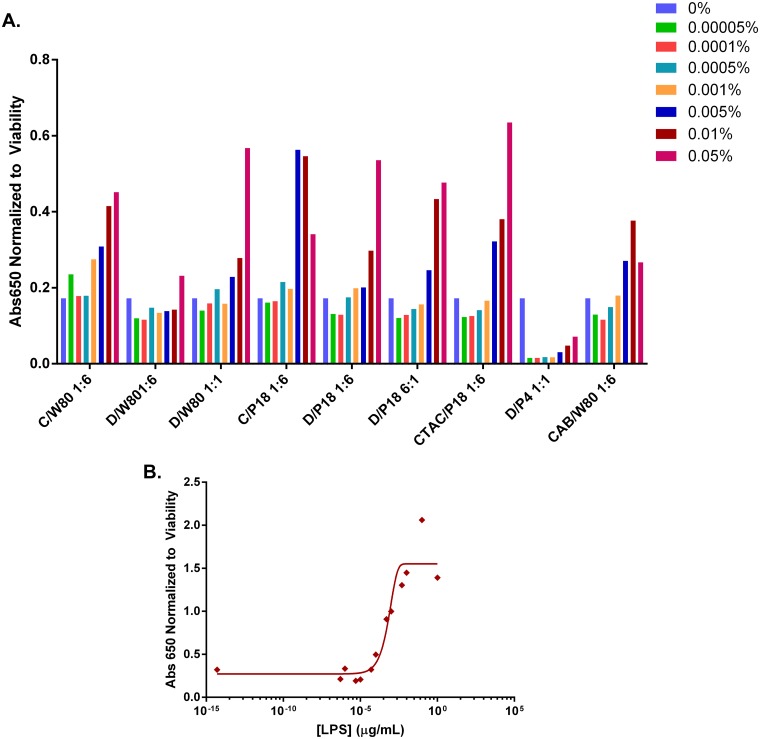
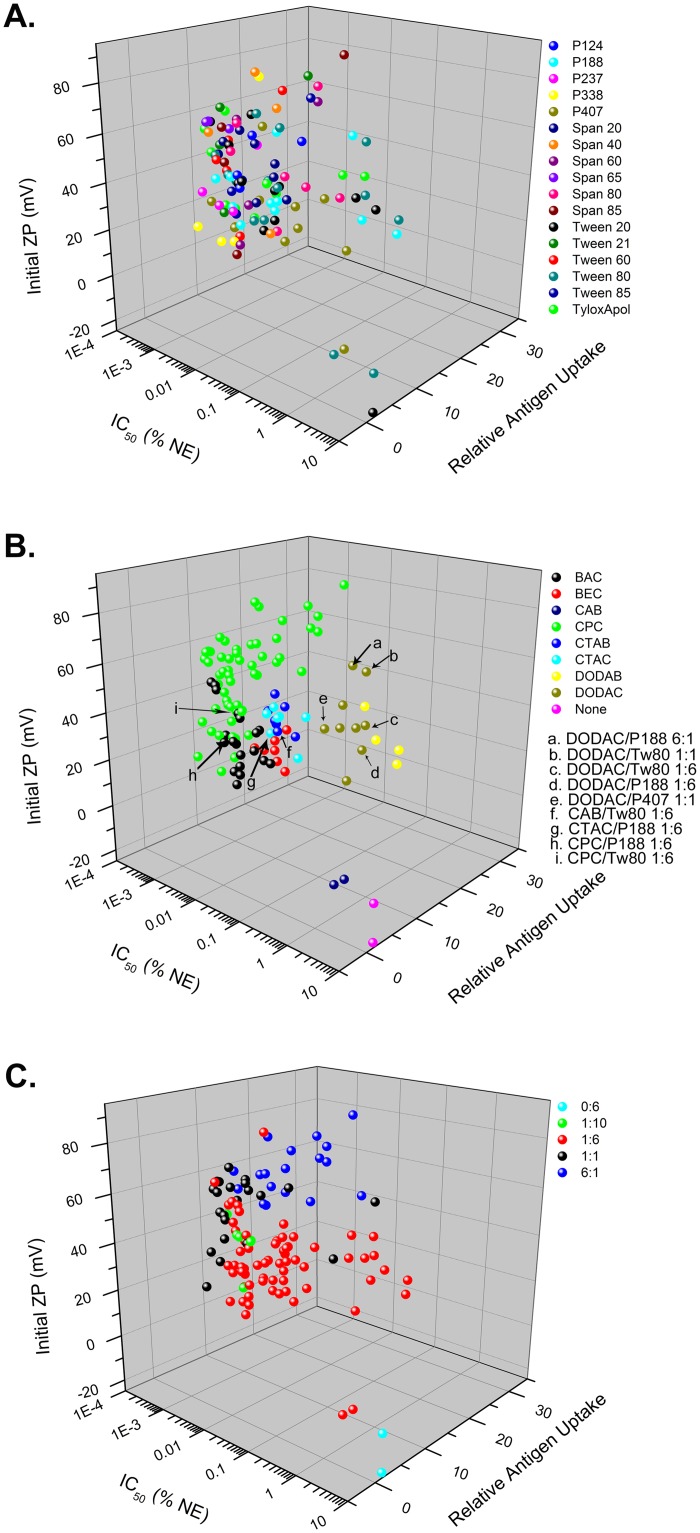
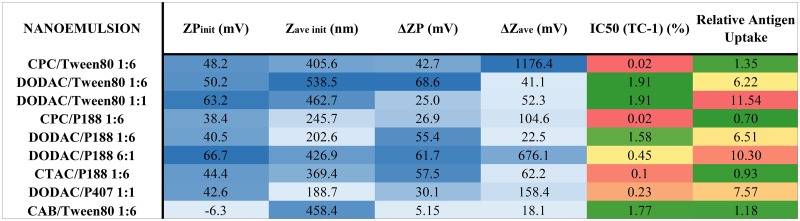
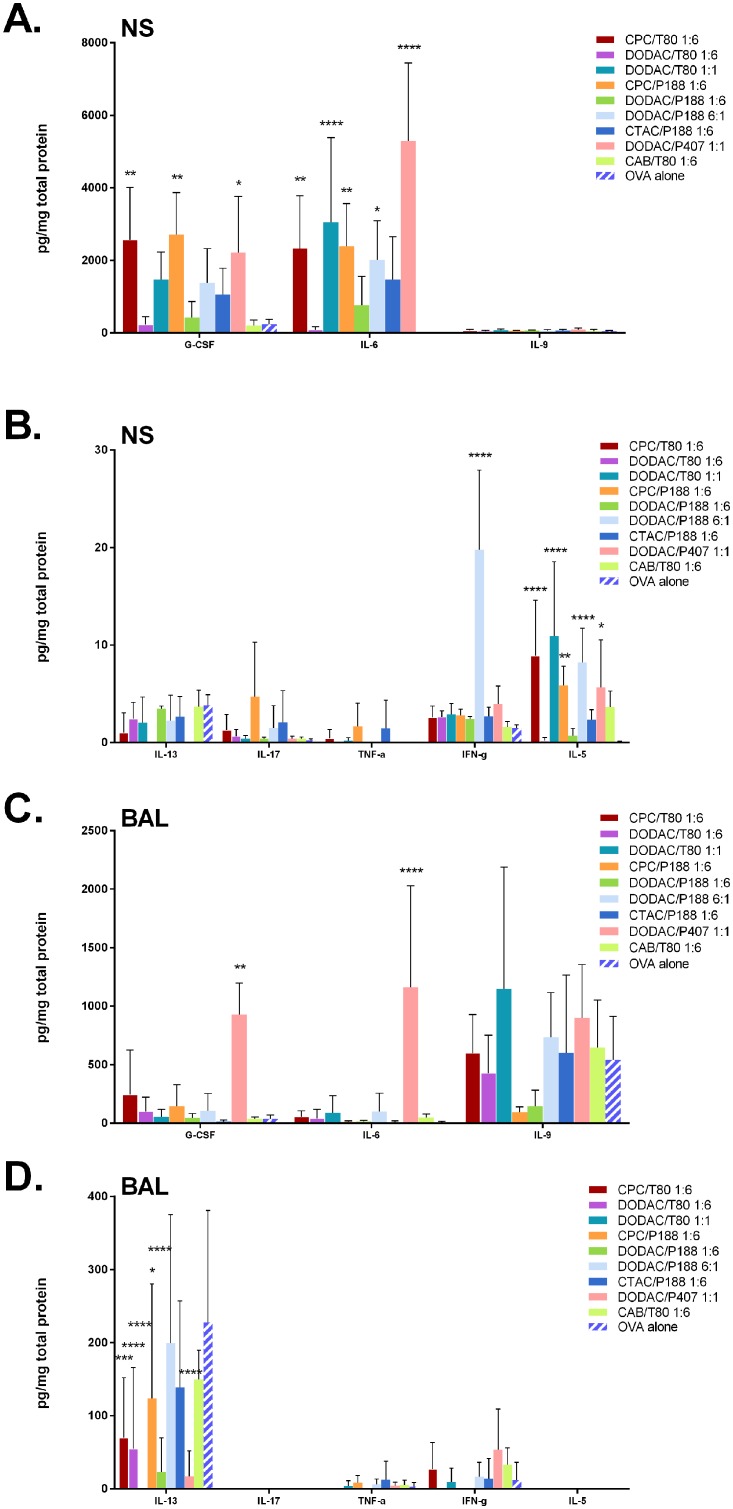
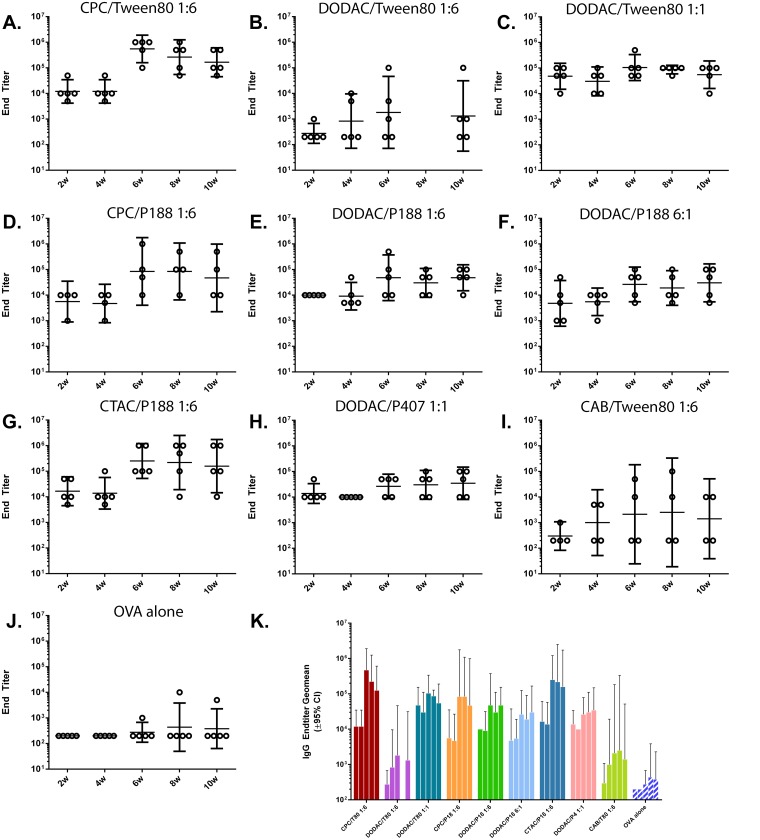
Vaccine adjuvants have been reported to induce both mucosal and systemic immunity when applied to mucosal surfaces and this dual response appears important for protection against certain pathogens. Despite the potential advantages, however, no mucosal adjuvants are currently approved for human use. Evaluating compounds as mucosal adjuvants is a slow and costly process due to the need for lengthy animal immunogenicity studies. We have constructed a library of 112 intranasal adjuvant candidate formulations consisting of oil-in-water nanoemulsions that contain various cationic and nonionic surfactants. To facilitate adjuvant development we first evaluated this library in a series of high-throughput, in vitro assays for activities associated with innate and adaptive immune activation in vivo. These in vitro assays screened for the ability of the adjuvant to bind to mucin, induce cytotoxicity, facilitate antigen uptake in epithelial and dendritic cells, and activate cellular pathways. We then sought to determine how these parameters related to adjuvant activity in vivo. While the in vitro assays alone were not enough to predict the in vivo adjuvant activity completely, several interesting relationships were found with immune responses in mice. Furthermore, by varying the physicochemical properties of the surfactant components (charge, surfactant polar head size and hydrophobicity) and the surfactant blend ratio of the formulations, the strength and type of the immune response generated (TH1, TH2, TH17) could be modulated. These findings suggest the possibility of using high-throughput screens to aid in the design of custom adjuvants with unique immunological profiles to match specific mucosal vaccine applications.
据报道,疫苗佐剂应用于黏膜表面时可诱导黏膜免疫和全身免疫,这种双重反应对于抵御某些病原体似乎很重要。然而,尽管有潜在优势,但目前尚无黏膜佐剂被批准用于人类。由于需要进行长期的动物免疫原性研究,评估化合物作为黏膜佐剂是一个缓慢且成本高昂的过程。我们构建了一个由112种鼻内佐剂候选制剂组成的文库,这些制剂由含有各种阳离子和非离子表面活性剂的水包油纳米乳剂组成。为了促进佐剂的开发,我们首先在一系列高通量体外试验中评估了这个文库,以检测与体内固有免疫和适应性免疫激活相关的活性。这些体外试验筛选了佐剂与黏蛋白结合的能力、诱导细胞毒性的能力、促进上皮细胞和树突状细胞摄取抗原的能力以及激活细胞信号通路的能力。然后,我们试图确定这些参数与体内佐剂活性之间的关系。虽然仅靠体外试验不足以完全预测体内佐剂活性,但发现了与小鼠免疫反应的几个有趣关系。此外,通过改变表面活性剂成分的物理化学性质(电荷、表面活性剂极性头部大小和疏水性)以及制剂的表面活性剂混合比例,可以调节产生的免疫反应的强度和类型(TH1、TH2、TH17)。这些发现表明,利用高通量筛选来辅助设计具有独特免疫特性的定制佐剂以匹配特定的黏膜疫苗应用是有可能的。