Cho Kwang-Soo, Yun Bong-Kyoung, Yoon Young-Ho, Hong Su-Young, Mekapogu Manjulatha, Kim Kyung-Hee, Yang Tae-Jin
Highland Agriculture Research Institute, National Institute of Crop Science, Rural Development Administration, Pyeongchang, South Korea.
Department of Plant Science, College of Agriculture and Life Sciences, Seoul National University, Seoul, South Korea; Phygen Genomics Institute, Gwanak Century Tower, Kwanak-gu, Seoul, South Korea.
PLoS One. 2015 May 12;10(5):e0125332. doi: 10.1371/journal.pone.0125332. eCollection 2015.
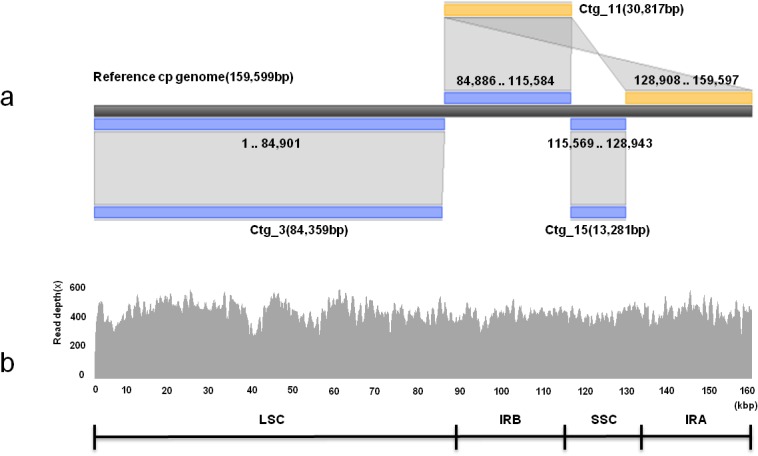
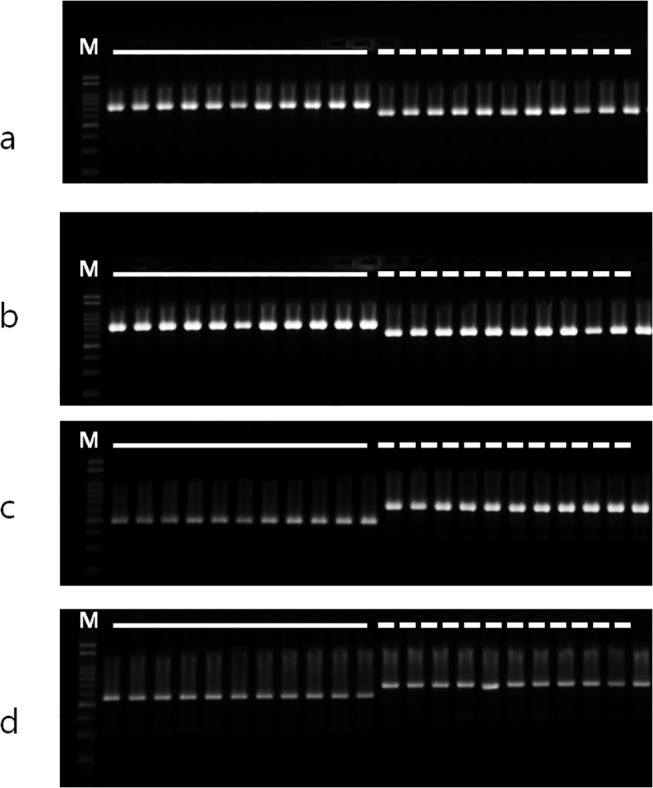
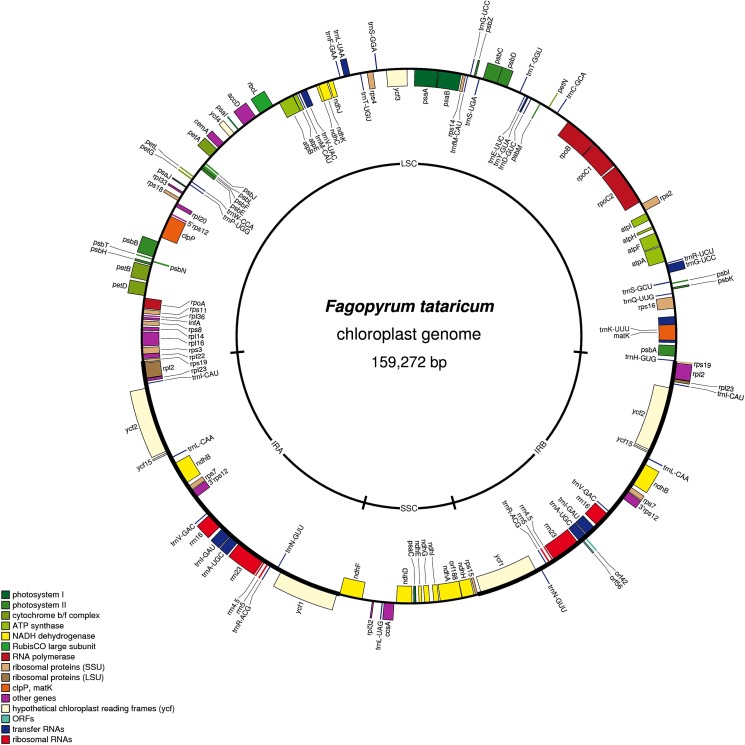
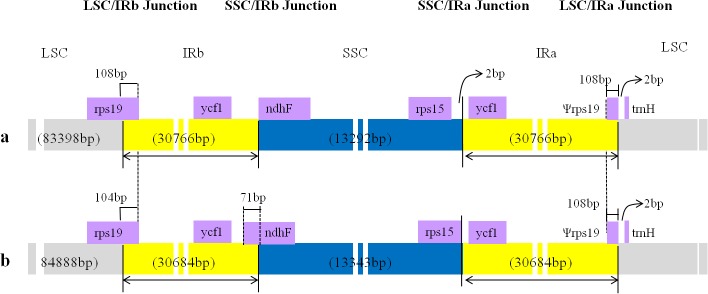
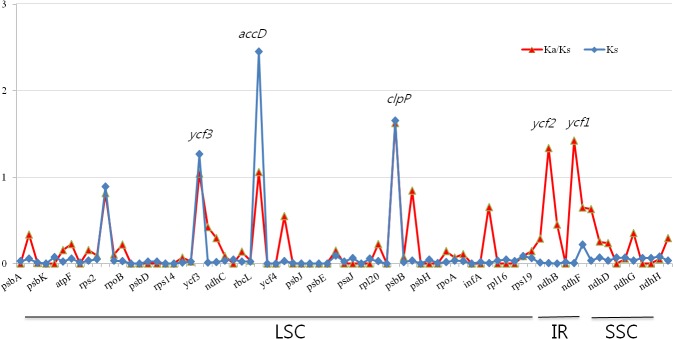
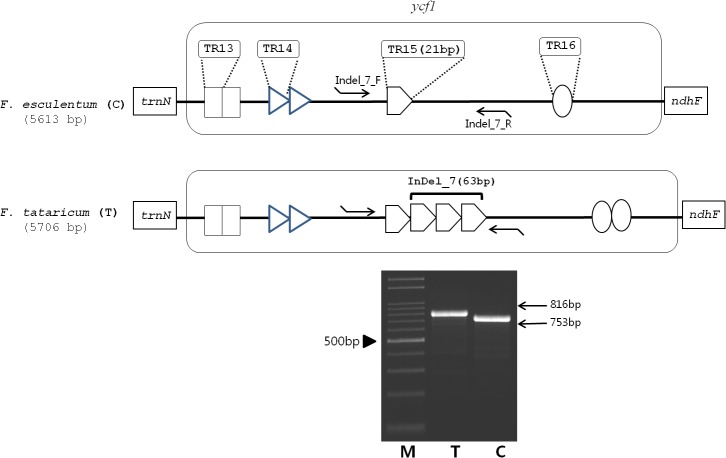
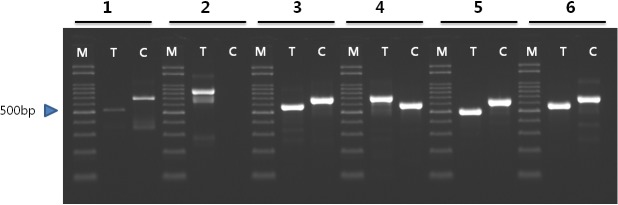
We report the chloroplast (cp) genome sequence of tartary buckwheat (Fagopyrum tataricum) obtained by next-generation sequencing technology and compared this with the previously reported common buckwheat (F. esculentum ssp. ancestrale) cp genome. The cp genome of F. tataricum has a total sequence length of 159,272 bp, which is 327 bp shorter than the common buckwheat cp genome. The cp gene content, order, and orientation are similar to those of common buckwheat, but with some structural variation at tandem and palindromic repeat frequencies and junction areas. A total of seven InDels (around 100 bp) were found within the intergenic sequences and the ycf1 gene. Copy number variation of the 21-bp tandem repeat varied in F. tataricum (four repeats) and F. esculentum (one repeat), and the InDel of the ycf1 gene was 63 bp long. Nucleotide and amino acid have highly conserved coding sequence with about 98% homology and four genes--rpoC2, ycf3, accD, and clpP--have high synonymous (Ks) value. PCR based InDel markers were applied to diverse genetic resources of F. tataricum and F. esculentum, and the amplicon size was identical to that expected in silico. Therefore, these InDel markers are informative biomarkers to practically distinguish raw or processed buckwheat products derived from F. tataricum and F. esculentum.
我们报道了通过下一代测序技术获得的苦荞麦(鞑靼荞麦)叶绿体(cp)基因组序列,并将其与先前报道的普通荞麦(甜荞祖先亚种)cp基因组进行了比较。苦荞麦的cp基因组总序列长度为159,272 bp,比普通荞麦的cp基因组短327 bp。cp基因的含量、顺序和方向与普通荞麦相似,但在串联重复和回文重复频率以及连接区域存在一些结构变异。在基因间序列和ycf1基因中总共发现了7个插入缺失(约100 bp)。21 bp串联重复序列的拷贝数变异在苦荞麦(四个重复)和甜荞(一个重复)中有所不同,ycf1基因的插入缺失长度为63 bp。核苷酸和氨基酸具有高度保守的编码序列,同源性约为98%,四个基因——rpoC2、ycf3、accD和clpP——具有较高的同义(Ks)值。基于PCR的插入缺失标记应用于苦荞麦和甜荞的多种遗传资源,扩增片段大小与计算机模拟预期的一致。因此,这些插入缺失标记是区分苦荞麦和甜荞来源的生荞麦或加工荞麦产品的实用信息生物标志物。