Moradali M Fata, Donati Ivan, Sims Ian M, Ghods Shirin, Rehm Bernd H A
Institute of Fundamental Sciences, Massey University, Palmerston North, New Zealand.
Department of Life Sciences, University of Trieste, Trieste, Italy.
mBio. 2015 May 12;6(3):e00453-15. doi: 10.1128/mBio.00453-15.
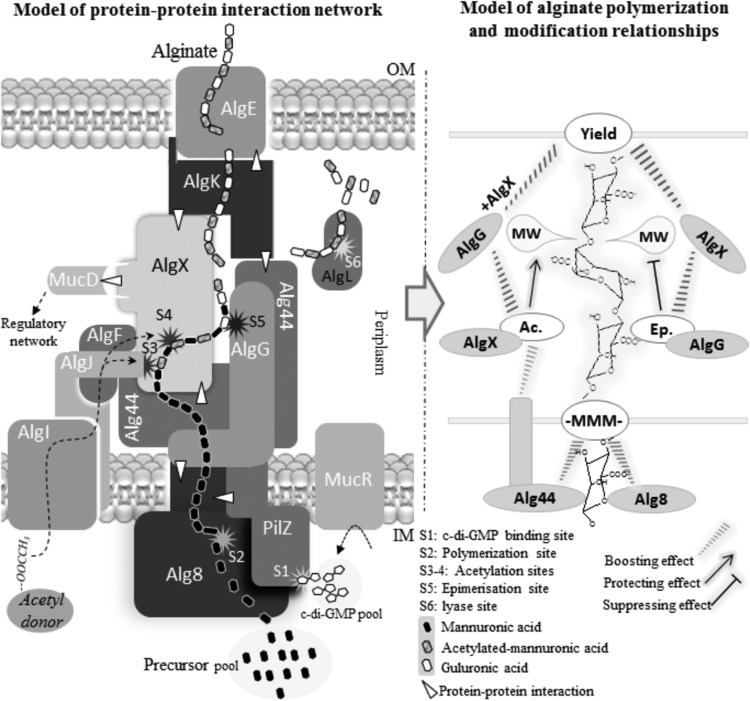
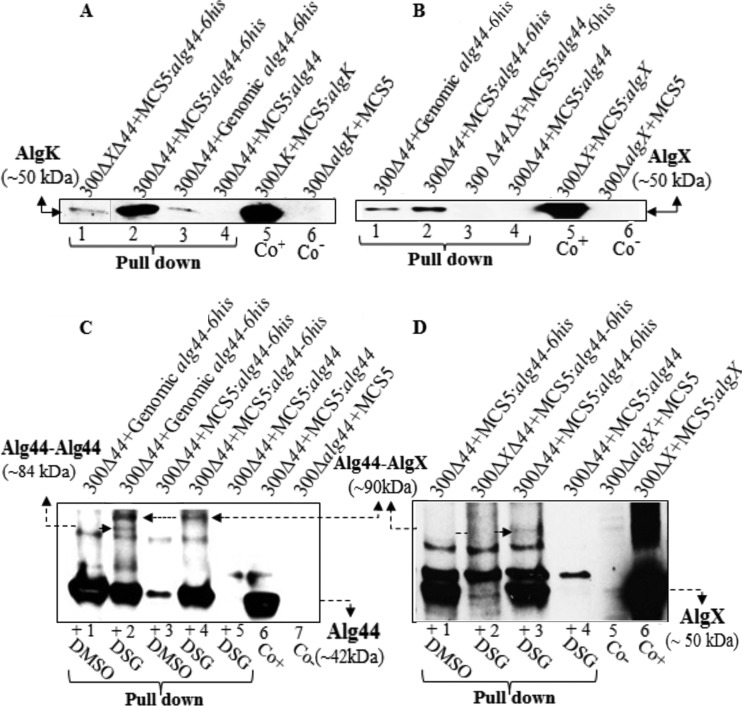
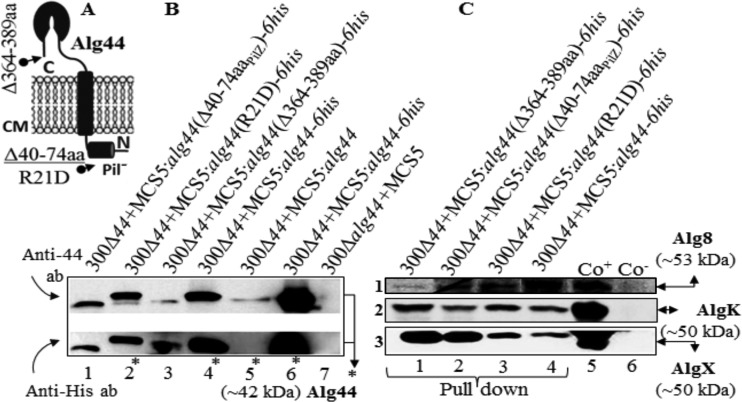
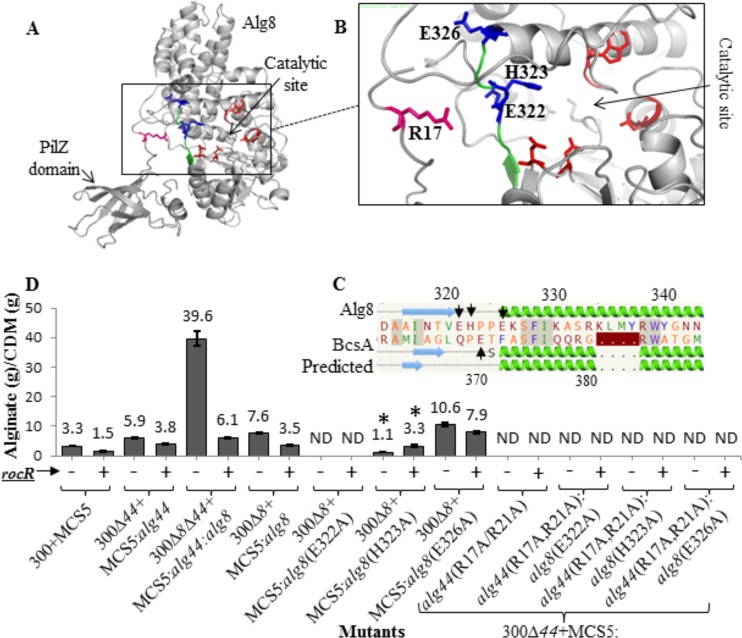
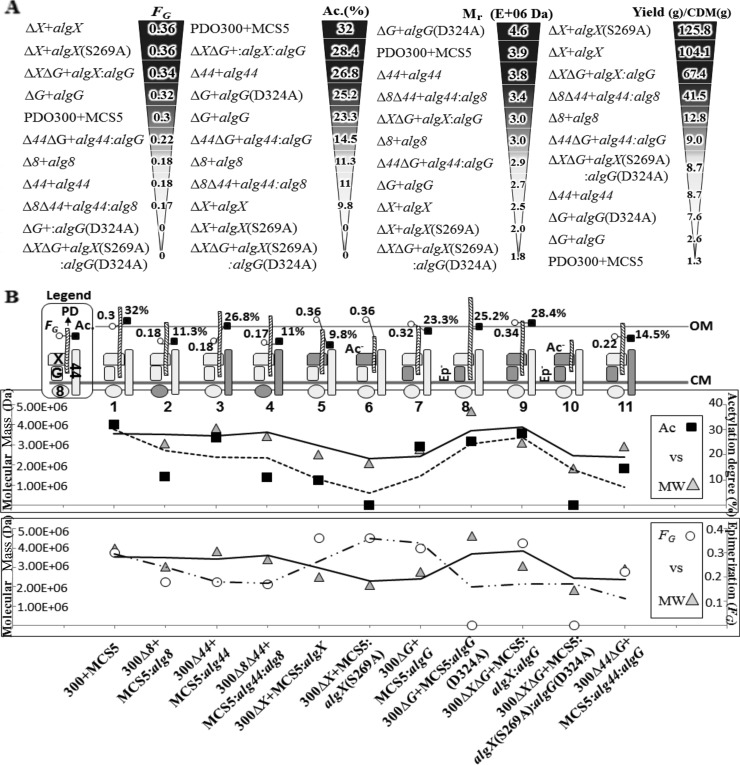
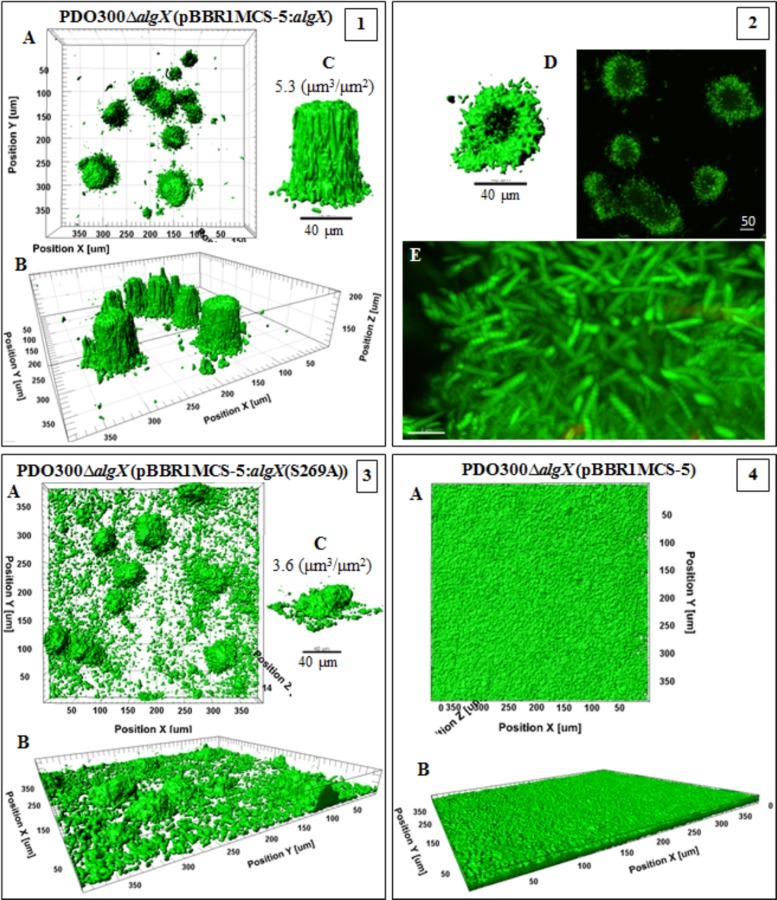
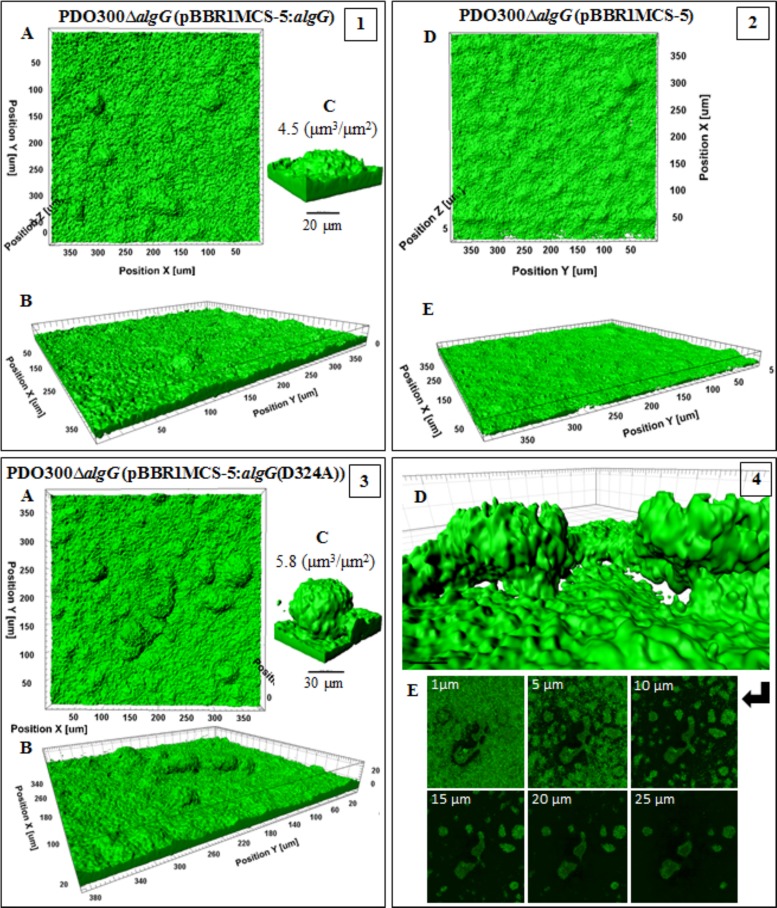
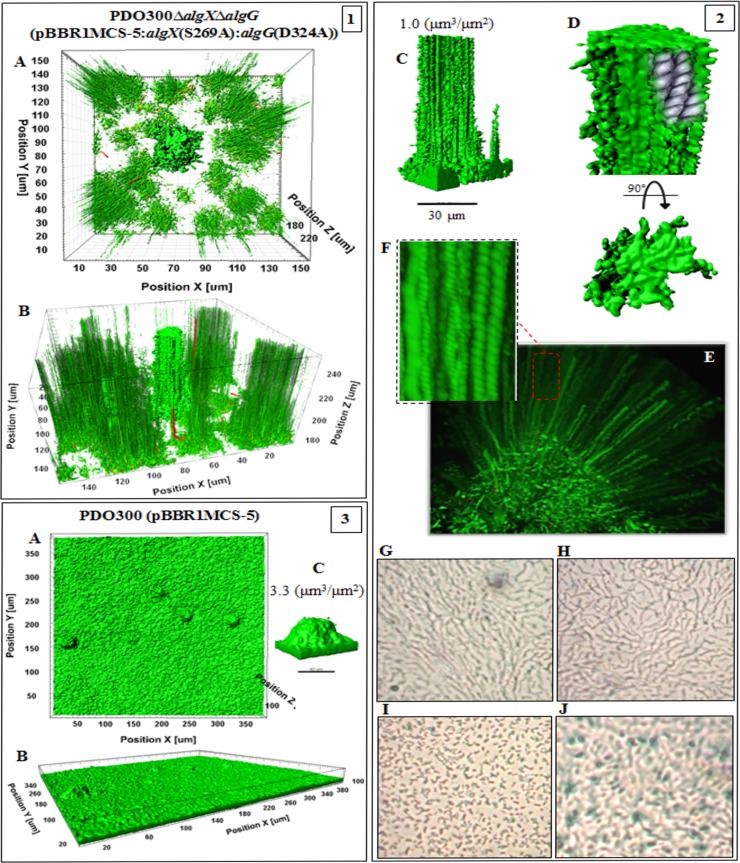
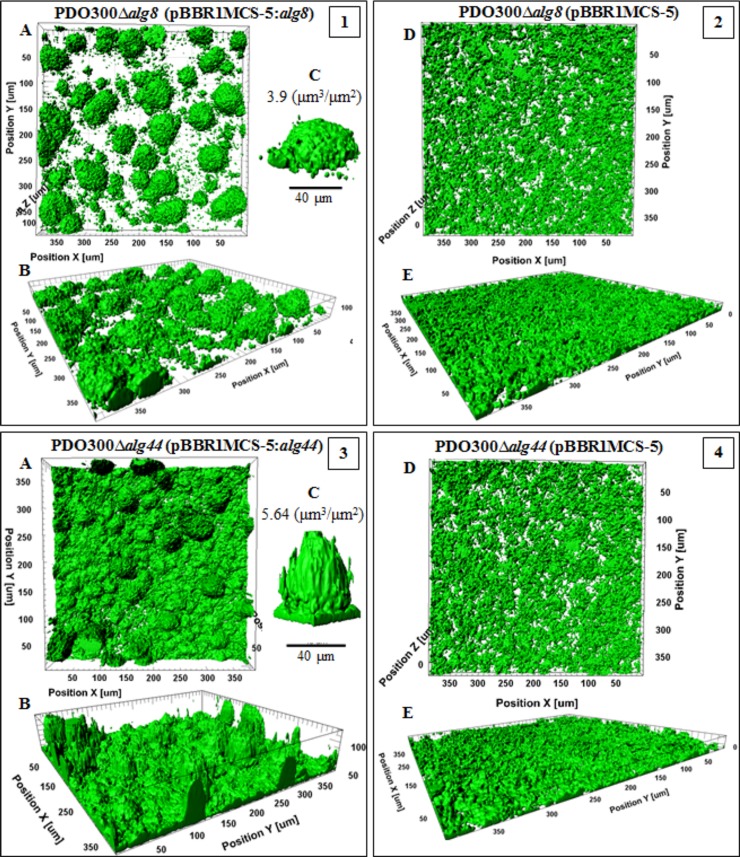
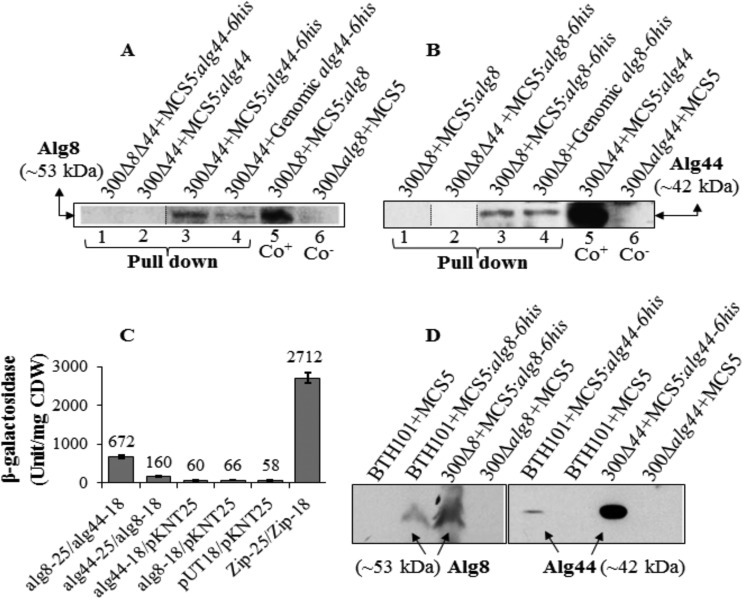
The molecular mechanisms of alginate polymerization/modification/secretion by a proposed envelope-spanning multiprotein complex are unknown. Here, bacterial two-hybrid assays and pulldown experiments showed that the catalytic subunit Alg8 directly interacts with the proposed copolymerase Alg44 while embedded in the cytoplasmic membrane. Alg44 additionally interacts with the lipoprotein AlgK bridging the periplasmic space. Site-specific mutagenesis of Alg44 showed that protein-protein interactions and stability were independent of conserved amino acid residues R17 and R21, which are involved in c-di-GMP binding, the N-terminal PilZ domain, and the C-terminal 26 amino acids. Site-specific mutagenesis was employed to investigate the c-di-GMP-mediated activation of alginate polymerization by the PilZAlg44 domain and Alg8. Activation was found to be different from the proposed activation mechanism for cellulose synthesis. The interactive role of Alg8, Alg44, AlgG (epimerase), and AlgX (acetyltransferase) on alginate polymerization and modification was studied by using site-specific deletion mutants, inactive variants, and overproduction of subunits. The compositions, molecular masses, and material properties of resulting novel alginates were analyzed. The molecular mass was reduced by epimerization, while it was increased by acetylation. Interestingly, when overproduced, Alg44, AlgG, and the nonepimerizing variant AlgG(D324A) increased the degree of acetylation, while epimerization was enhanced by AlgX and its nonacetylating variant AlgX(S269A). Biofilm architecture analysis showed that acetyl groups promoted cell aggregation while nonacetylated polymannuronate alginate promoted stigmergy. Overall, this study sheds new light on the arrangement of the multiprotein complex involved in alginate production. Furthermore, the activation mechanism and the interplay between polymerization and modification of alginate were elucidated.
This study provides new insights into the molecular mechanisms of the synthesis of the unique polysaccharide, alginate, which not only is an important virulence factor of the opportunistic human pathogen Pseudomonas aeruginosa but also has, due to its material properties, many applications in medicine and industry. Unraveling the assembly and composition of the alginate-synthesizing and envelope-spanning multiprotein complex will be of tremendous significance for the scientific community. We identified a protein-protein interaction network inside the multiprotein complex and studied its relevance with respect to alginate polymerization/modification as well as the c-di-GMP-mediated activation mechanism. A relationship between alginate polymerization and modification was shown. Due to the role of alginate in pathogenesis as well as its unique material properties harnessed in numerous applications, results obtained in this study will aid the design and development of inhibitory drugs as well as the commercial bacterial production of tailor-made alginates.
一种推测的跨包膜多蛋白复合物介导藻酸盐聚合/修饰/分泌的分子机制尚不清楚。在此,细菌双杂交试验和下拉实验表明,催化亚基Alg8在嵌入细胞质膜时直接与推测的共聚合酶Alg44相互作用。Alg44还与跨越周质空间的脂蛋白AlgK相互作用。Alg44的位点特异性诱变表明,蛋白质-蛋白质相互作用和稳定性与保守氨基酸残基R17和R21无关,这些残基参与环二鸟苷酸(c-di-GMP)结合、N端PilZ结构域和C端26个氨基酸。采用位点特异性诱变研究PilZAlg44结构域和Alg8对c-di-GMP介导的藻酸盐聚合的激活作用。发现这种激活作用与推测的纤维素合成激活机制不同。通过使用位点特异性缺失突变体、无活性变体和亚基过量表达,研究了Alg8、Alg44、AlgG(表异构酶)和AlgX(乙酰转移酶)在藻酸盐聚合和修饰中的相互作用。分析了所得新型藻酸盐的组成、分子量和材料特性。通过表异构化分子量降低,而通过乙酰化分子量增加。有趣的是,当过量表达时,Alg44、AlgG和非表异构化变体AlgG(D324A)增加了乙酰化程度,而AlgX及其非乙酰化变体AlgX(S269A)增强了表异构化。生物膜结构分析表明,乙酰基团促进细胞聚集,而非乙酰化的聚甘露糖醛酸藻酸盐促进触发性。总体而言,本研究为参与藻酸盐产生的多蛋白复合物的排列提供了新的线索。此外,阐明了藻酸盐聚合和修饰之间的激活机制及相互作用。
本研究为独特多糖藻酸盐合成的分子机制提供了新的见解,藻酸盐不仅是机会性人类病原体铜绿假单胞菌的一种重要毒力因子,而且由于其材料特性,在医学和工业中有许多应用。揭示藻酸盐合成和跨包膜多蛋白复合物的组装及组成对科学界具有重大意义。我们确定了多蛋白复合物内部的蛋白质-蛋白质相互作用网络,并研究了其与藻酸盐聚合/修饰以及c-di-GMP介导的激活机制的相关性。显示了藻酸盐聚合与修饰之间的关系。由于藻酸盐在发病机制中的作用及其在众多应用中所利用的独特材料特性,本研究获得的结果将有助于设计和开发抑制药物以及定制藻酸盐的商业细菌生产。