Shemesh-Mayer Einat, Ben-Michael Tomer, Rotem Neta, Rabinowitch Haim D, Doron-Faigenboim Adi, Kosmala Arkadiusz, Perlikowski Dawid, Sherman Amir, Kamenetsky Rina
Agricultural Research Organization, The Volcani Center, Institute of Plant Science Bet Dagan, Israel ; The Robert H. Smith Faculty of Agriculture, Food, and Environment, The Robert H. Smith Institute of Plant Science and Genetics in Agriculture, The Hebrew University of Jerusalem Rehovot, Israel.
The Robert H. Smith Faculty of Agriculture, Food, and Environment, The Robert H. Smith Institute of Plant Science and Genetics in Agriculture, The Hebrew University of Jerusalem Rehovot, Israel.
Front Plant Sci. 2015 Apr 28;6:271. doi: 10.3389/fpls.2015.00271. eCollection 2015.
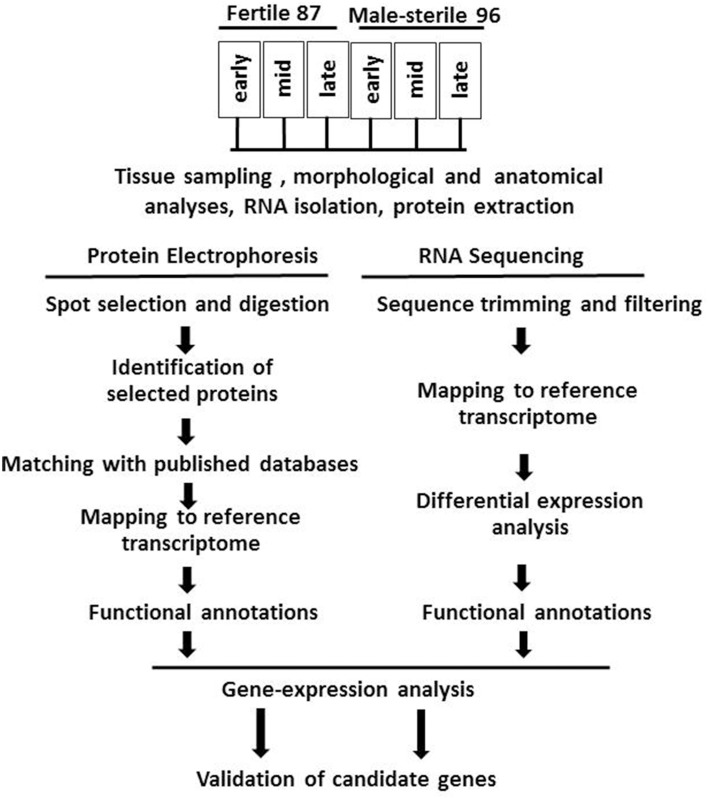
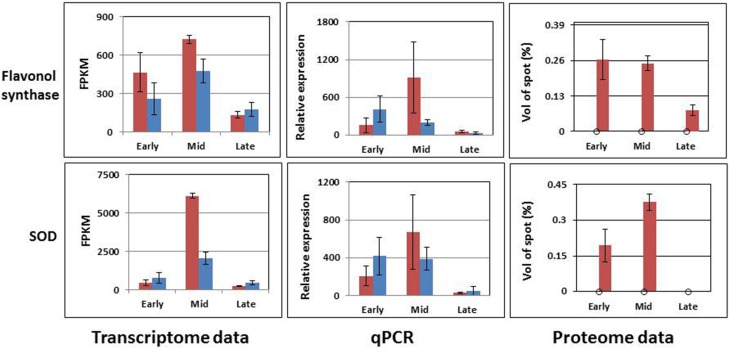
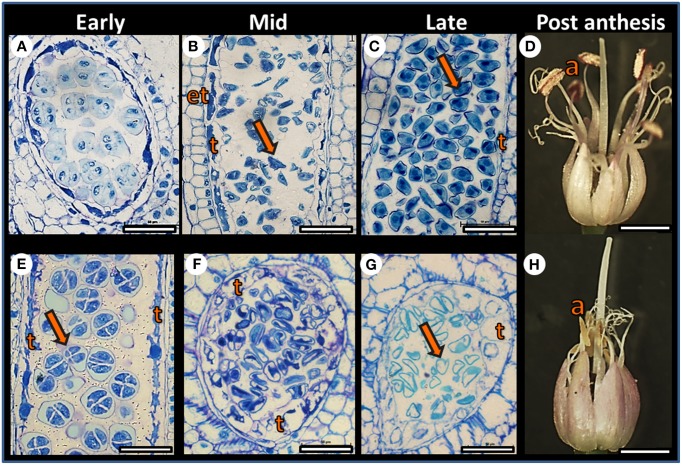
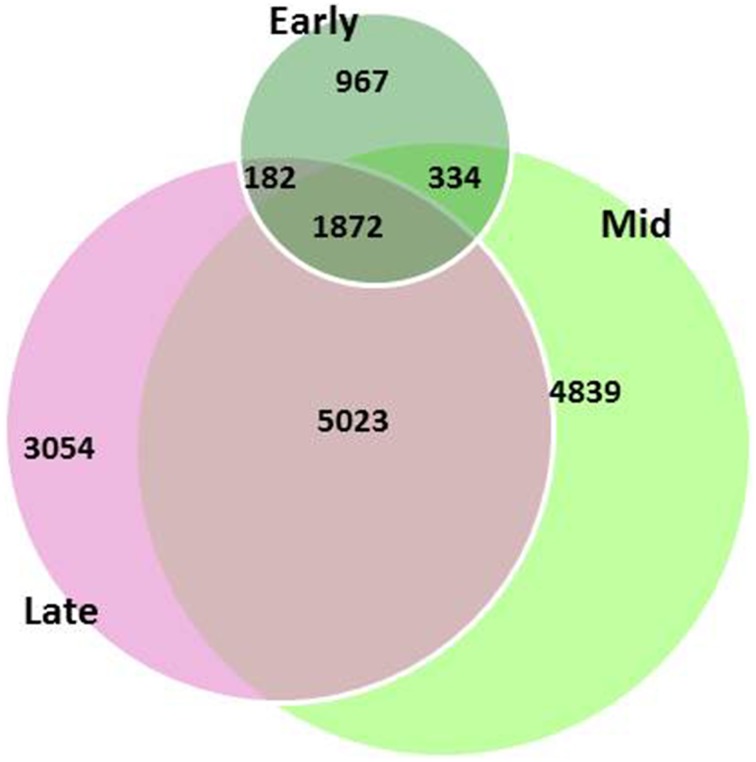
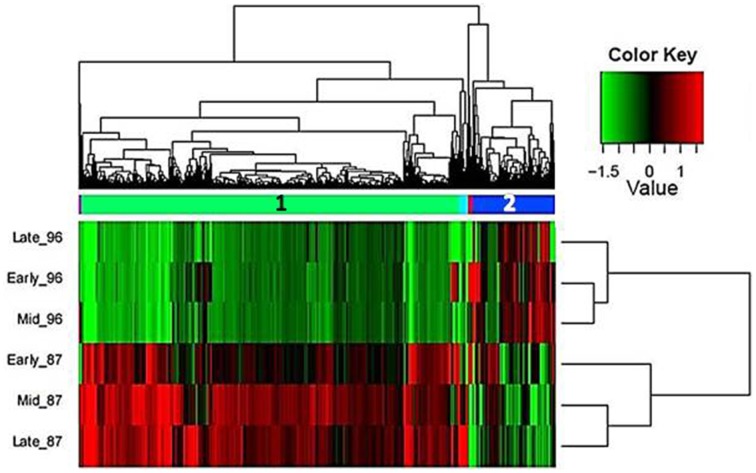
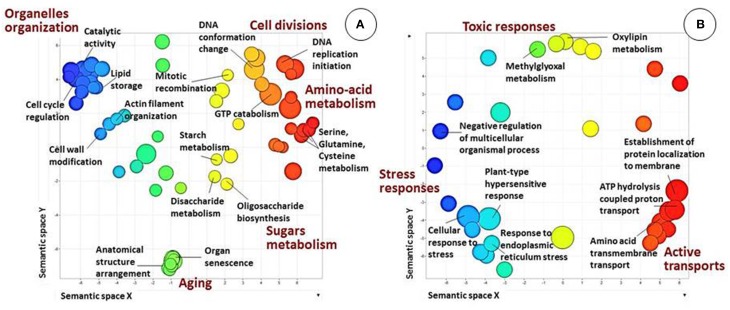
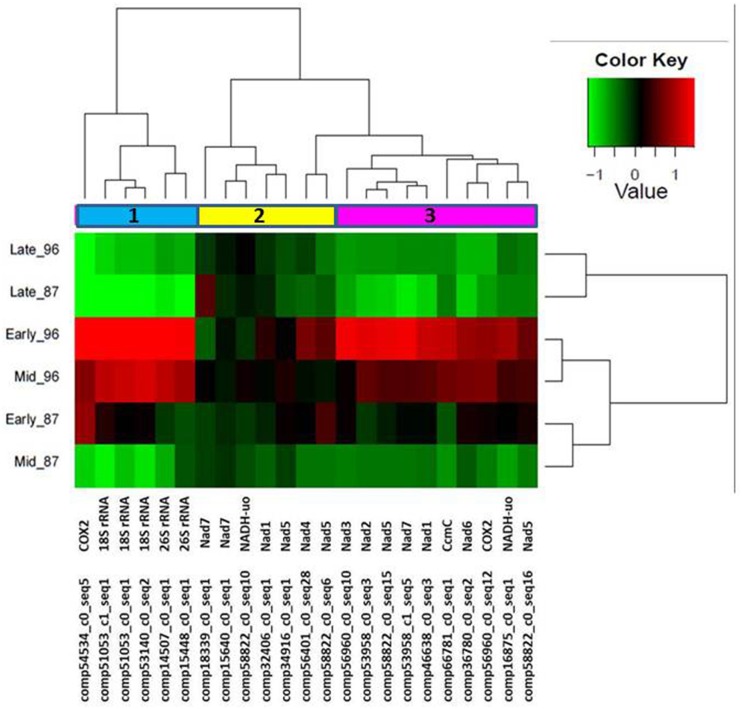
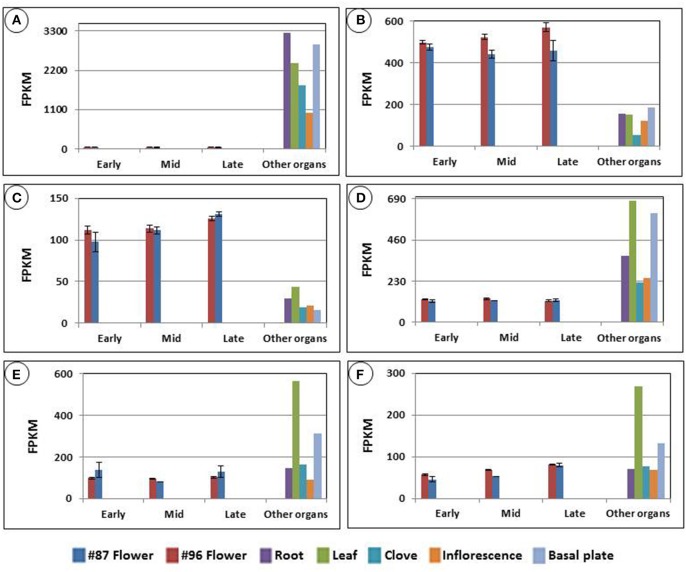
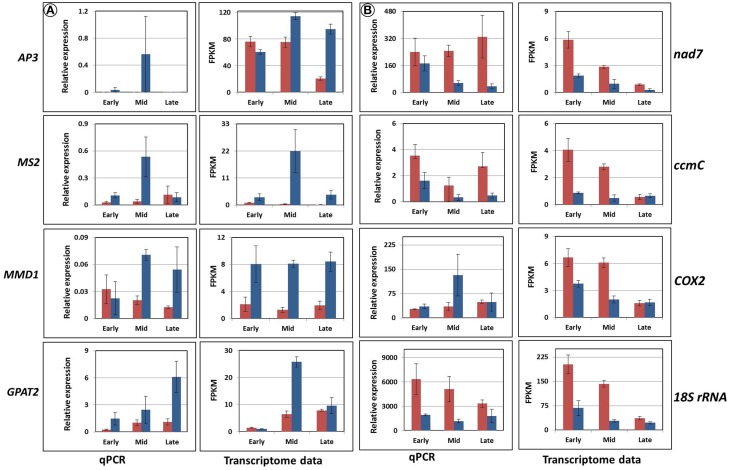
Commercial cultivars of garlic, a popular condiment, are sterile, making genetic studies and breeding of this plant challenging. However, recent fertility restoration has enabled advanced physiological and genetic research and hybridization in this important crop. Morphophysiological studies, combined with transcriptome and proteome analyses and quantitative PCR validation, enabled the identification of genes and specific processes involved in gametogenesis in fertile and male-sterile garlic genotypes. Both genotypes exhibit normal meiosis at early stages of anther development, but in the male-sterile plants, tapetal hypertrophy after microspore release leads to pollen degeneration. Transcriptome analysis and global gene-expression profiling showed that >16,000 genes are differentially expressed in the fertile vs. male-sterile developing flowers. Proteome analysis and quantitative comparison of 2D-gel protein maps revealed 36 significantly different protein spots, 9 of which were present only in the male-sterile genotype. Bioinformatic and quantitative PCR validation of 10 candidate genes exhibited significant expression differences between male-sterile and fertile flowers. A comparison of morphophysiological and molecular traits of fertile and male-sterile garlic flowers suggests that respiratory restrictions and/or non-regulated programmed cell death of the tapetum can lead to energy deficiency and consequent pollen abortion. Potential molecular markers for male fertility and sterility in garlic are proposed.
大蒜作为一种广受欢迎的调味品,其商业栽培品种是不育的,这使得该植物的遗传学研究和育种颇具挑战性。然而,最近的育性恢复使得对这种重要作物能够开展深入的生理和遗传学研究以及杂交工作。形态生理学研究,结合转录组和蛋白质组分析以及定量PCR验证,使得能够鉴定出参与可育和雄性不育大蒜基因型配子发生的基因和特定过程。两种基因型在花药发育早期均表现出正常的减数分裂,但在雄性不育植株中,小孢子释放后绒毡层肥大导致花粉退化。转录组分析和全局基因表达谱显示,在可育与雄性不育发育中的花中,超过16,000个基因存在差异表达。蛋白质组分析和二维凝胶蛋白质图谱的定量比较揭示了36个显著不同的蛋白质斑点,其中9个仅存在于雄性不育基因型中。对10个候选基因的生物信息学和定量PCR验证显示,雄性不育花和可育花之间存在显著的表达差异。对可育和雄性不育大蒜花的形态生理和分子特征进行比较表明,绒毡层的呼吸限制和/或无调控的程序性细胞死亡可导致能量缺乏并进而导致花粉败育。本文提出了大蒜雄性育性和不育性的潜在分子标记。