Briat Jean-François, Rouached Hatem, Tissot Nicolas, Gaymard Frédéric, Dubos Christian
Biochimie et Physiologie Moléculaire des Plantes, Centre National de la Recherche Scientifique - Institut National de la Recherche Agronomique - Université Montpellier 2 Montpellier, France.
Front Plant Sci. 2015 Apr 28;6:290. doi: 10.3389/fpls.2015.00290. eCollection 2015.
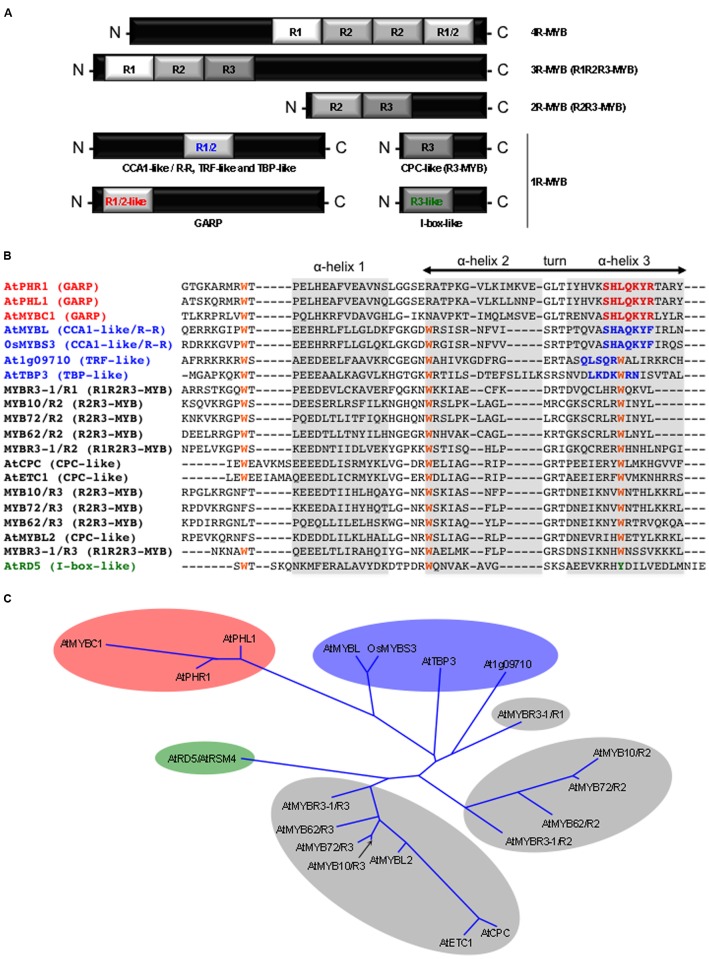
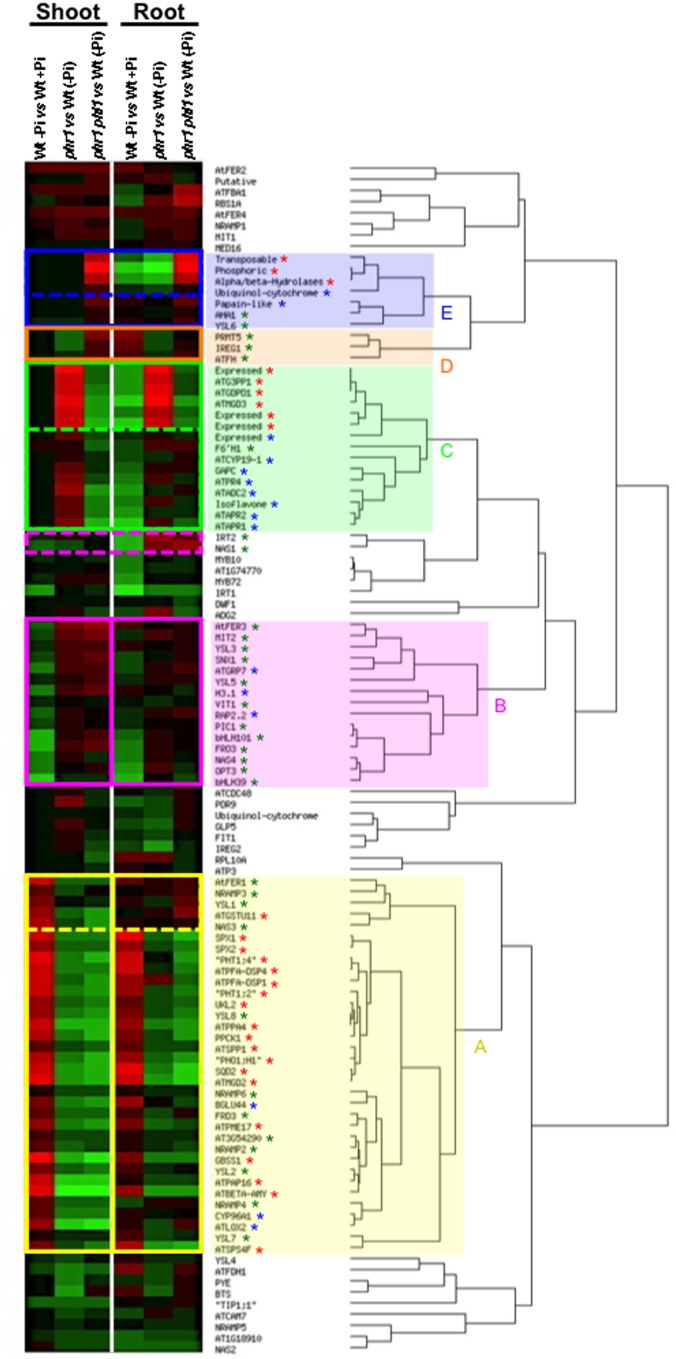
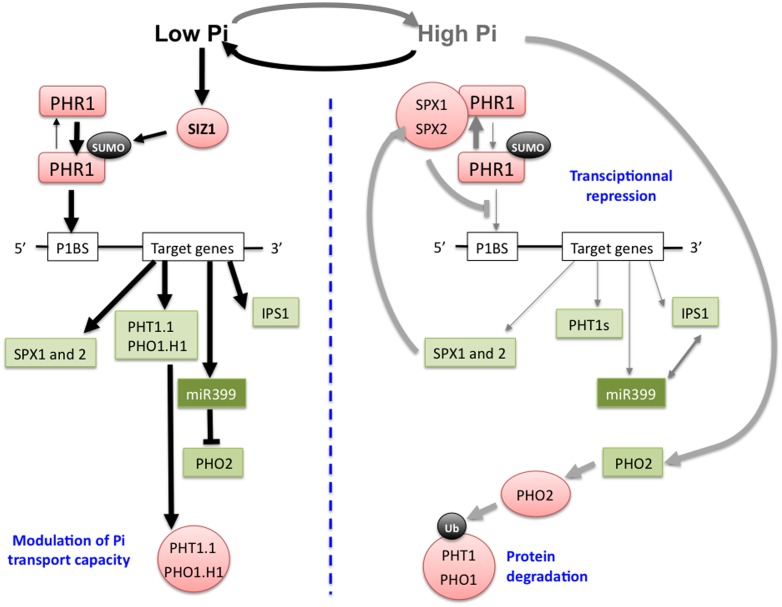
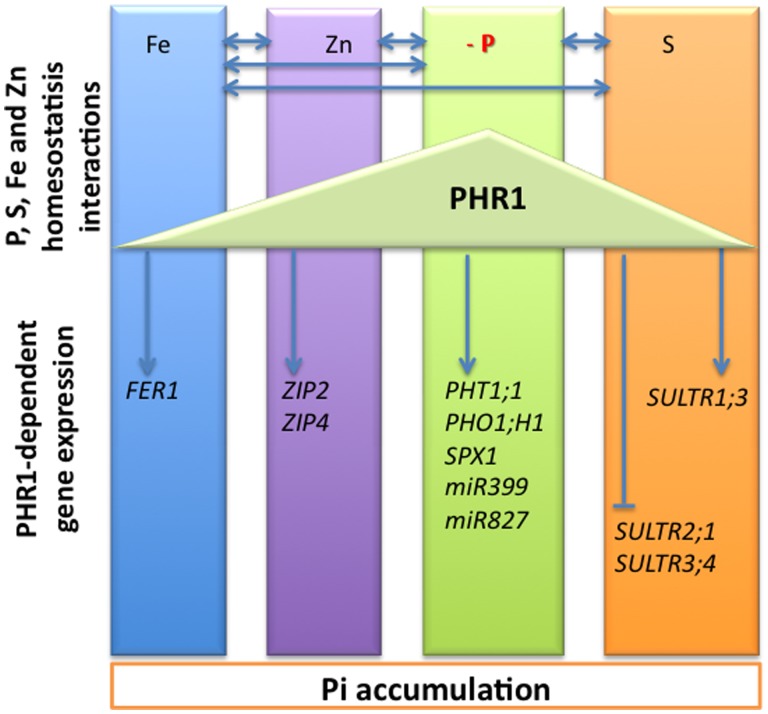
Phosphate and sulfate are essential macro-elements for plant growth and development, and deficiencies in these mineral elements alter many metabolic functions. Nutritional constraints are not restricted to macro-elements. Essential metals such as zinc and iron have their homeostasis strictly genetically controlled, and deficiency or excess of these micro-elements can generate major physiological disorders, also impacting plant growth and development. Phosphate and sulfate on one hand, and zinc and iron on the other hand, are known to interact. These interactions have been partly described at the molecular and physiological levels, and are reviewed here. Furthermore the two macro-elements phosphate and sulfate not only interact between themselves but also influence zinc and iron nutrition. These intricated nutritional cross-talks are presented. The responses of plants to phosphorus, sulfur, zinc, or iron deficiencies have been widely studied considering each element separately, and some molecular actors of these regulations have been characterized in detail. Although some scarce reports have started to examine the interaction of these mineral elements two by two, a more complex analysis of the interactions and cross-talks between the signaling pathways integrating the homeostasis of these various elements is still lacking. However, a MYB-like transcription factor, PHOSPHATE STARVATION RESPONSE 1, emerges as a common regulator of phosphate, sulfate, zinc, and iron homeostasis, and its role as a potential general integrator for the control of mineral nutrition is discussed.
磷和硫是植物生长发育所必需的大量元素,这些矿质元素的缺乏会改变许多代谢功能。营养限制并不局限于大量元素。锌和铁等必需金属的体内平衡受到严格的基因控制,这些微量元素的缺乏或过量会引发严重的生理紊乱,也会影响植物的生长发育。已知一方面磷和硫,另一方面锌和铁之间存在相互作用。这些相互作用已在分子和生理水平上得到了部分描述,本文将对此进行综述。此外,大量元素磷和硫不仅彼此之间相互作用,还会影响锌和铁的营养状况。本文将介绍这些复杂的营养相互作用。人们已经分别对植物对磷、硫、锌或铁缺乏的反应进行了广泛研究,并且详细表征了这些调控过程中的一些分子作用因子。尽管一些稀少的报道已经开始研究这些矿质元素两两之间的相互作用,但仍缺乏对整合这些不同元素体内平衡的信号通路之间的相互作用和相互影响进行更复杂的分析。然而,一种类MYB转录因子,即磷饥饿反应1,作为磷、硫、锌和铁体内平衡的共同调节因子出现,本文将讨论其作为控制矿质营养的潜在通用整合因子的作用。