Kresina Thomas F, Sylvestre Diana, Seeff Leonard, Litwin Alain H, Hoffman Kenneth, Lubran Robert, Clark H Westley
Center for Substance Abuse Treatment, Substance Abuse and Mental Health Services Administration, Rockville, MD.
Department of Medicine, University of California, San Francisco and Organization to Achieve Solutions In Substance Abuse (O.A.S.I.S.) Oakland, CA.
Subst Abuse. 2008 Apr 28;1:15-61. doi: 10.4137/sart.s580. eCollection 2008.
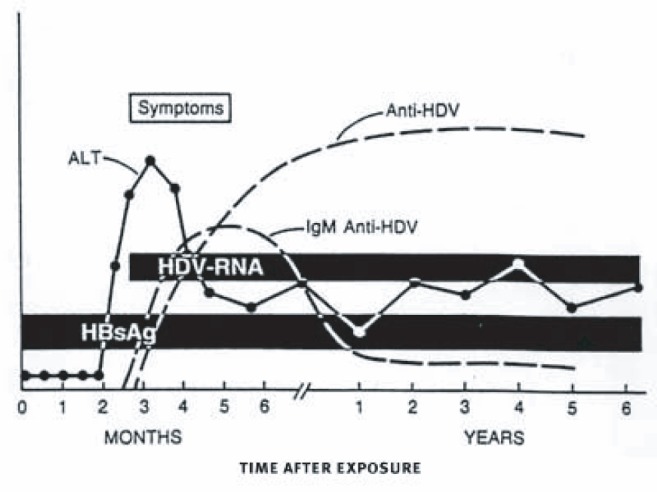
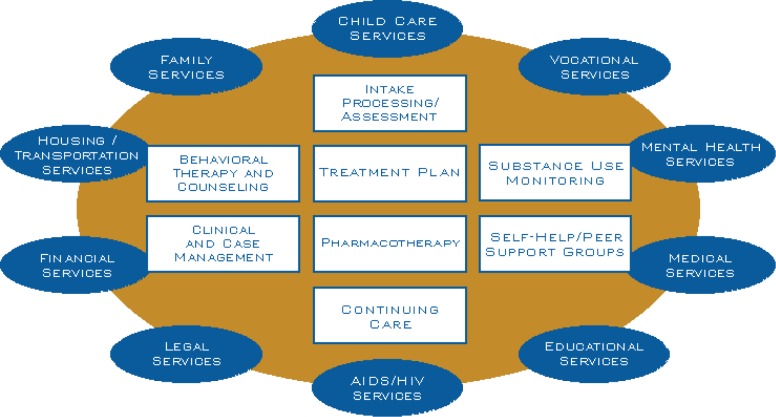
Many new and existing cases of viral hepatitis infections are related to injection drug use. Transmission of these infections can result directly from the use of injection equipment that is contaminated with blood containing the hepatitis B or C virus or through sexual contact with an infected individual. In the latter case, drug use can indirectly contribute to hepatitis transmission through the dis-inhibited at-risk behavior, that is, unprotected sex with an infected partner. Individuals who inject drugs are at-risk for infection from different hepatitis viruses, hepatitis A, B, or C. Those with chronic hepatitis B virus infection also face additional risk should they become co-infected with hepatitis D virus. Protection from the transmission of hepatitis viruses A and B is best achieved by vaccination. For those with a history of or who currently inject drugs, the medical management of viral hepatitis infection comprising screening, testing, counseling and providing care and treatment is evolving. Components of the medical management of hepatitis infection, for persons considering, initiating, or receiving pharmacologic therapy for opioid addiction include: testing for hepatitis B and C infections; education and counseling regarding at-risk behavior and hepatitis transmission, acute and chronic hepatitis infection, liver disease and its care and treatment; vaccination against hepatitis A and B infection; and integrative primary care as part of the comprehensive treatment approach for recovery from opioid abuse and dependence. In addition, participation in a peer support group as part of integrated medical care enhances treatment outcomes. Liver disease is highly prevalent in patient populations seeking recovery from opioid addiction or who are currently receiving pharmacotherapy for opioid addiction. Pharmacotherapy for opioid addiction is not a contraindication to evaluation, care, or treatment of liver disease due to hepatitis virus infection. Successful pharmacotherapy for opioid addiction stabilizes patients and improves patient compliance to care and treatment regimens as well as promotes good patient outcomes. Implementation and integration of effective hepatitis prevention programs, care programs, and treatment regimens in concert with the pharmacological therapy of opioid addiction can reduce the public health burdens of hepatitis and injection drug use.
许多新的和现有的病毒性肝炎感染病例都与注射吸毒有关。这些感染的传播可能直接源于使用被含有乙型或丙型肝炎病毒的血液污染的注射设备,或者通过与感染者进行性接触。在后一种情况下,吸毒会通过抑制性的高危行为,即与感染伴侣进行无保护性行为,间接导致肝炎传播。注射毒品的人有感染不同肝炎病毒(甲型、乙型或丙型肝炎)的风险。那些慢性感染乙型肝炎病毒的人如果同时感染丁型肝炎病毒,还会面临额外风险。通过接种疫苗可最佳地预防甲型和乙型肝炎病毒的传播。对于有注射吸毒史或目前正在注射毒品的人,病毒性肝炎感染的医疗管理(包括筛查、检测、咨询以及提供护理和治疗)正在不断发展。对于考虑开始、正在接受阿片类药物成瘾药物治疗或已经接受该治疗的人,肝炎感染医疗管理的组成部分包括:检测乙型和丙型肝炎感染;就高危行为和肝炎传播、急慢性肝炎感染、肝病及其护理和治疗进行教育和咨询;接种甲型和乙型肝炎疫苗;以及作为从阿片类药物滥用和依赖中康复的综合治疗方法一部分的综合初级保健。此外,作为综合医疗护理一部分参与同伴支持小组可提高治疗效果。肝病在寻求从阿片类药物成瘾中康复或目前正在接受阿片类药物成瘾药物治疗的患者群体中非常普遍。阿片类药物成瘾的药物治疗并非肝炎病毒感染所致肝病评估、护理或治疗的禁忌证。成功的阿片类药物成瘾药物治疗可使患者病情稳定,提高患者对护理和治疗方案的依从性,并促进良好的患者治疗效果。将有效的肝炎预防计划、护理计划和治疗方案与阿片类药物成瘾的药物治疗协同实施和整合,可减轻肝炎和注射吸毒带来的公共卫生负担。