Requião-Moura Lúcio Roberto, Durão Junior Marcelino de Souza, Matos Ana Cristina Carvalho de, Pacheco-Silva Alvaro
Hospital Israelita Albert Einstein, São Paulo, SP, Brazil.
Universidade Federal de São Paulo, São Paulo, SP, Brazil.
Einstein (Sao Paulo). 2015 Jan-Mar;13(1):129-35. doi: 10.1590/S1679-45082015RW3161.
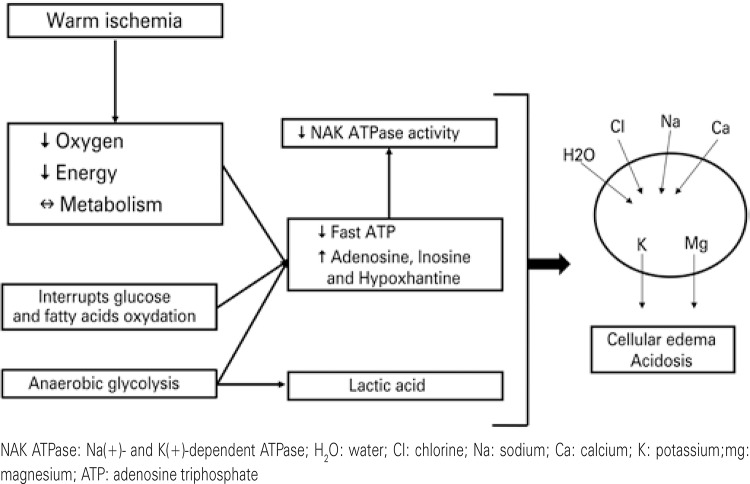
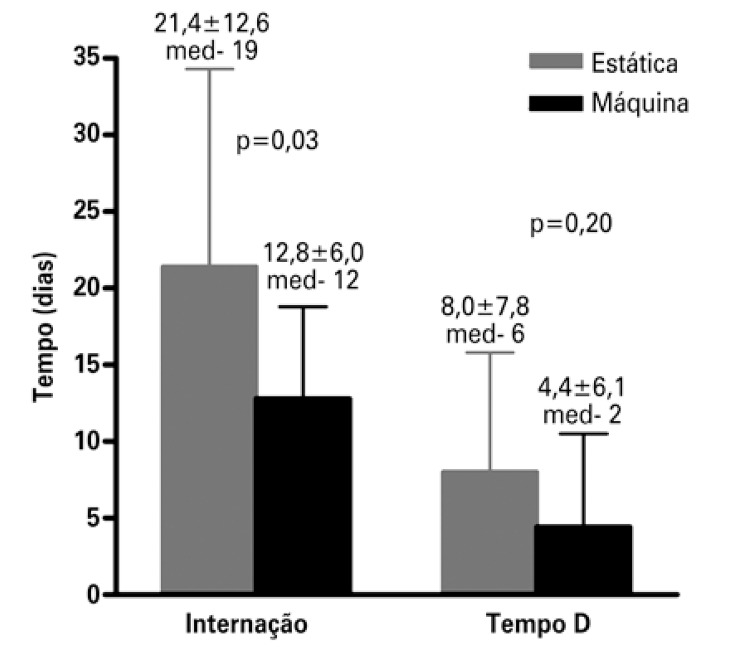
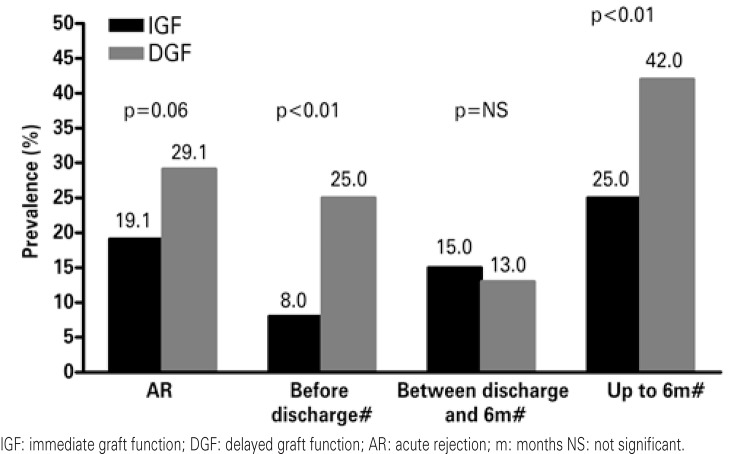
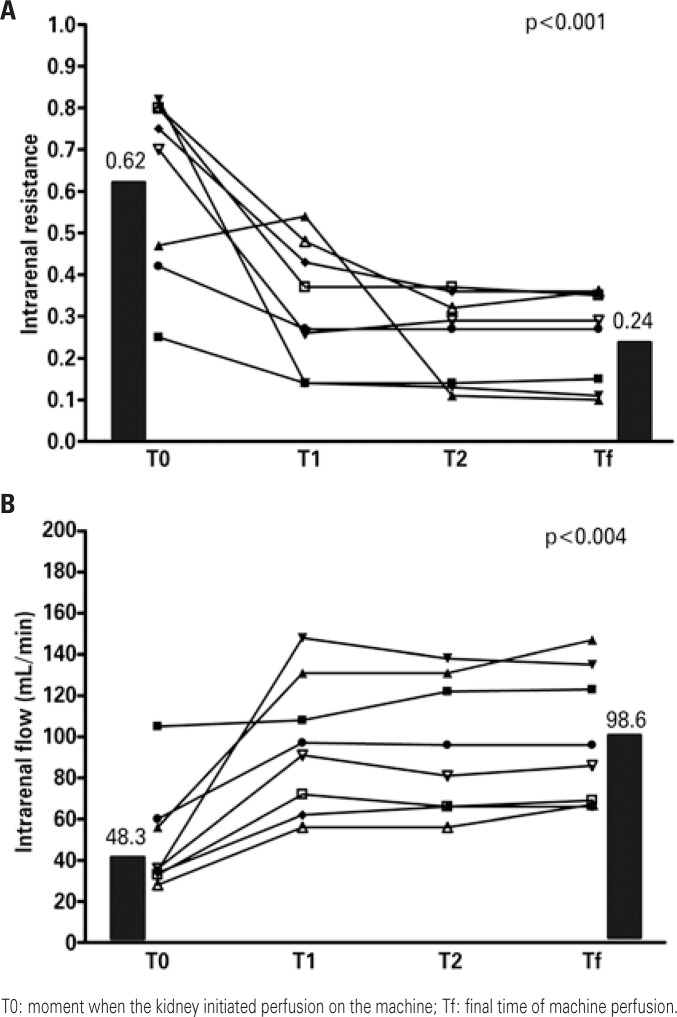
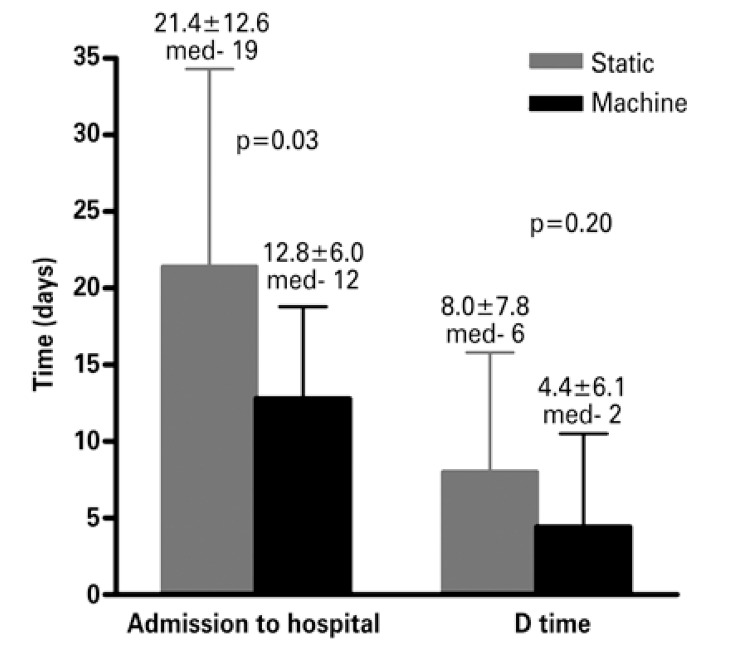
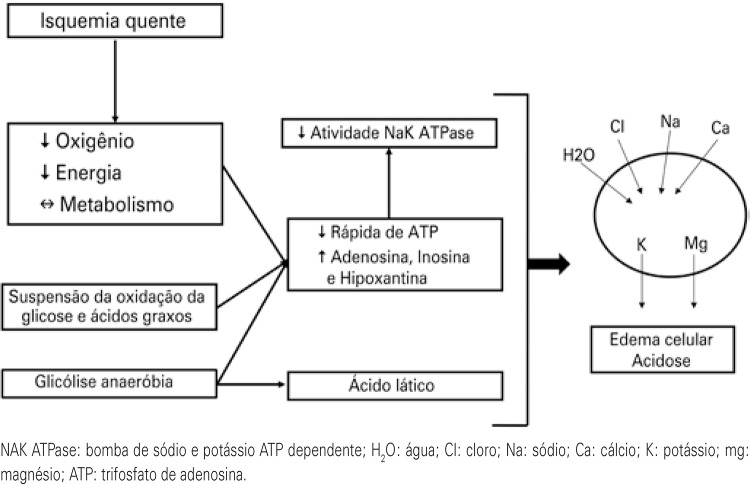
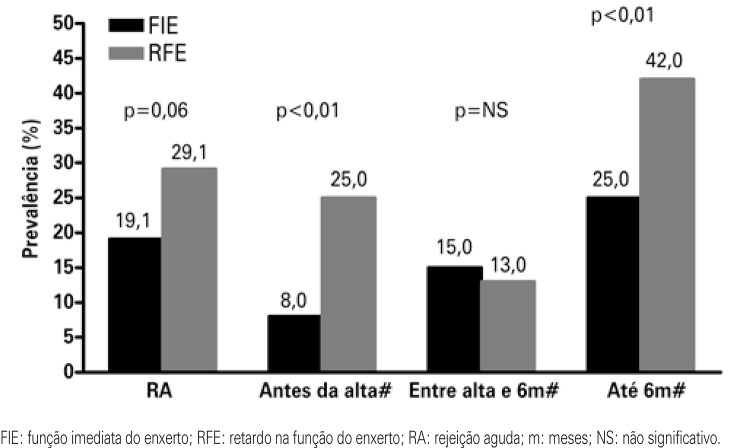
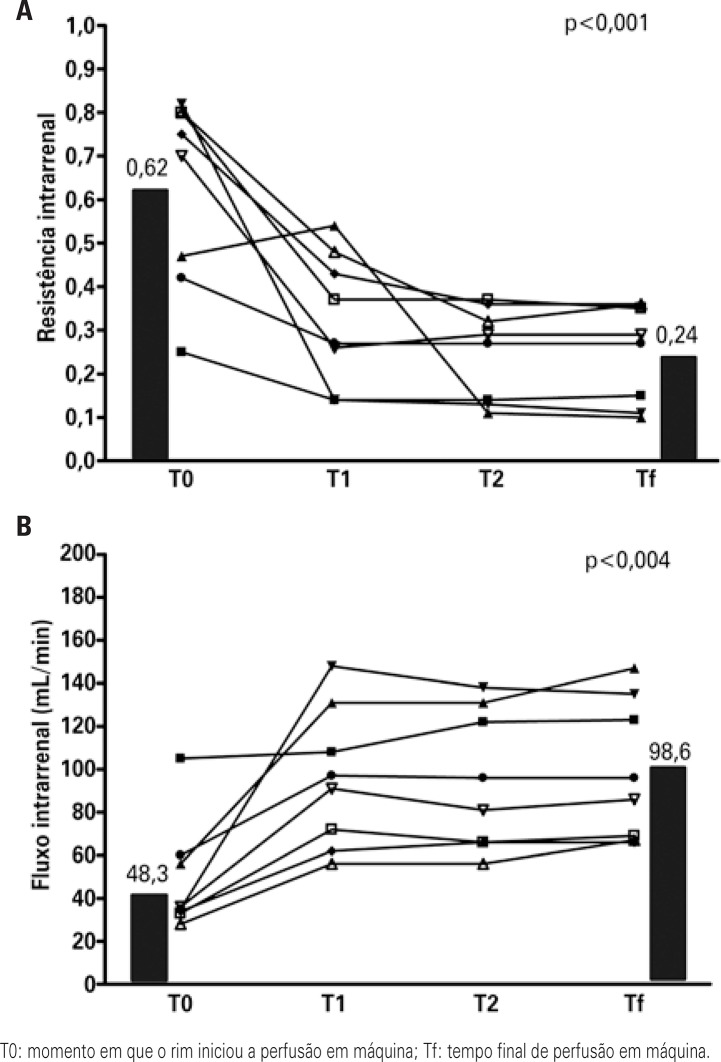
Ischemia and reperfusion injury is an inevitable event in renal transplantation. The most important consequences are delayed graft function, longer length of stay, higher hospital costs, high risk of acute rejection, and negative impact of long-term follow-up. Currently, many factors are involved in their pathophysiology and could be classified into two different paradigms for education purposes: hemodynamic and immune. The hemodynamic paradigm is described as the reduction of oxygen delivery due to blood flow interruption, involving many hormone systems, and oxygen-free radicals produced after reperfusion. The immune paradigm has been recently described and involves immune system cells, especially T cells, with a central role in this injury. According to these concepts, new strategies to prevent ischemia and reperfusion injury have been studied, particularly the more physiological forms of storing the kidney, such as the pump machine and the use of antilymphocyte antibody therapy before reperfusion. Pump machine perfusion reduces delayed graft function prevalence and length of stay at hospital, and increases long-term graft survival. The use of antilymphocyte antibody therapy before reperfusion, such as Thymoglobulin™, can reduce the prevalence of delayed graft function and chronic graft dysfunction.
缺血再灌注损伤是肾移植中不可避免的事件。其最重要的后果是移植肾功能延迟、住院时间延长、医院成本增加、急性排斥反应风险高以及对长期随访产生负面影响。目前,其病理生理学涉及许多因素,出于阐述目的可分为两种不同模式:血流动力学模式和免疫模式。血流动力学模式被描述为由于血流中断导致氧输送减少,涉及许多激素系统以及再灌注后产生的氧自由基。免疫模式是最近才被描述的,涉及免疫系统细胞,尤其是T细胞,它们在这种损伤中起核心作用。根据这些概念,人们研究了预防缺血再灌注损伤的新策略,特别是更符合生理的肾脏保存形式,如泵机以及在再灌注前使用抗淋巴细胞抗体疗法。泵机灌注可降低移植肾功能延迟的发生率和住院时间,并提高长期移植存活率。在再灌注前使用抗淋巴细胞抗体疗法,如即复宁™,可降低移植肾功能延迟和慢性移植功能障碍的发生率。